
Mastering Verbal Communication in Strength and Conditioning Instruction
Posted by Jonny BBAD Nelson in Dec, 2024
What is verbal communication in the context of strength and conditioning techniques?
Verbal communication in strength and conditioning refers to the use of clear, precise, and effective spoken language to instruct, motivate, and provide feedback to athletes or clients. This involves articulating instructions, simplifying complex ideas, and using motivating language to encourage performance improvements.
Why do people in enterprises need effective verbal communication in strength and conditioning?
In enterprises such as gyms, sports clubs, and rehabilitation centers, effective verbal communication ensures clients and athletes understand exercises and techniques. It enhances safety by preventing misunderstandings that might lead to injury and improves athlete performance by offering constructive feedback and motivation. Strong communication skills also build rapport and trust, fostering long-term relationships and client retention.
“Effective verbal communication bridges the gap between instruction and execution, enabling coaches to guide, motivate, and refine athlete performance with clarity and precision.”
What are the key components or elements of verbal communication in strength and conditioning?
Key components of verbal communication include:
- Clarity: Using simple and easily understood language.
- Tone: Maintaining a positive and encouraging voice.
- Pace: Adjusting the speed of delivery to match the audience’s understanding.
- Feedback: Providing constructive and actionable comments for improvement.

Registered Trademark ®
What key terms, with descriptions, relate to verbal communication in strength and conditioning?
- Clarity: Ensures instructions are easily understood and actionable.
- Feedback: Guidance provided to refine performance and improve outcomes.
- Motivation: Positive reinforcement to inspire effort and persistence.
- Cues: Short, sharp phrases designed to guide technique during exercises.
Who is typically engaged with operating or implementing verbal communication in this setting?
Strength and conditioning coaches, personal trainers, physiotherapists, and sports coaches are responsible for delivering effective verbal communication. These professionals rely on their communication skills to instruct, correct, and motivate athletes at various skill levels.
How does verbal communication align or integrate with other components of strength and conditioning techniques for Sport Coaching and fitness?
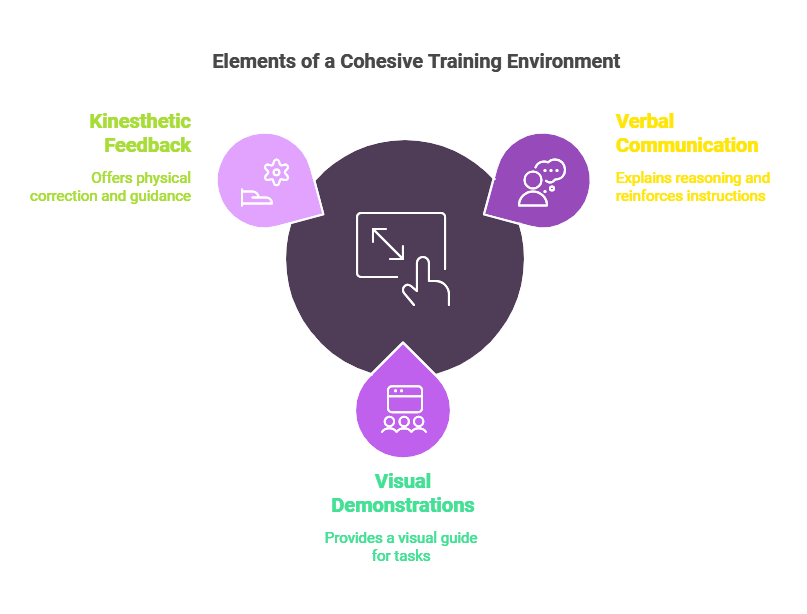
Verbal communication works hand-in-hand with visual demonstrations and kinesthetic feedback. While demonstrations provide a visual guide and kinesthetic feedback offers physical correction, verbal communication explains the reasoning, provides context, and reinforces the instructions. Together, they create a cohesive training environment.
Where can the student go to find out more information about verbal communication in strength and conditioning?
Scope of Practice Document
Adult Pre-Exercise Screening System
Australian Sports Commission
What job roles would be knowledgeable about verbal communication in strength and conditioning?
Roles include:
- Strength and Conditioning Coaches
- Athletic Trainers
- Sports Psychologists
- Physical Education Teachers
- Rehabilitation Specialists

What is verbal communication like in relation to sports, family, or schools?
- Sports: Essential for team cohesion, clear instruction, and motivation during games and training.
- Family: Encourages healthy communication around fitness and supports physical activity habits.
- Schools: Teachers use verbal communication to instruct, motivate, and encourage teamwork among students.
In each setting, effective verbal communication fosters confidence, engagement, and positive outcomes.
(The first edition of this article was generated by AI to provide valuable insights on verbal communication. It will be reviewed and refined by experts for clarity and accuracy.)
- About the Author
- More info

Jonny “B Bad” is a powerlifting specialist, strength and conditioning coach, and co-owner of Fortitude Barbell in Brisbane. With over 15 years in the industry, he has trained athletes of all levels, focusing on strength, community, and continual learning. A competitor in some of Australia’s top powerlifting events, he balances training, coaching, and family life while co-hosting The Platform Podcast. His philosophy is simple: train hard, have fun, and enjoy the process. Whether lifting big, improving fitness, or gaining confidence, Jonny’s passion is helping people get stronger—both physically and mentally—while fostering a supportive and engaging training environment.

 Post Tagged with