
Building Rapport: The Foundation of Effective Strength and Conditioning Instruction
Posted by Jonny BBAD Nelson in Dec, 2024
What is a concise description of building rapport in strength and conditioning instruction?
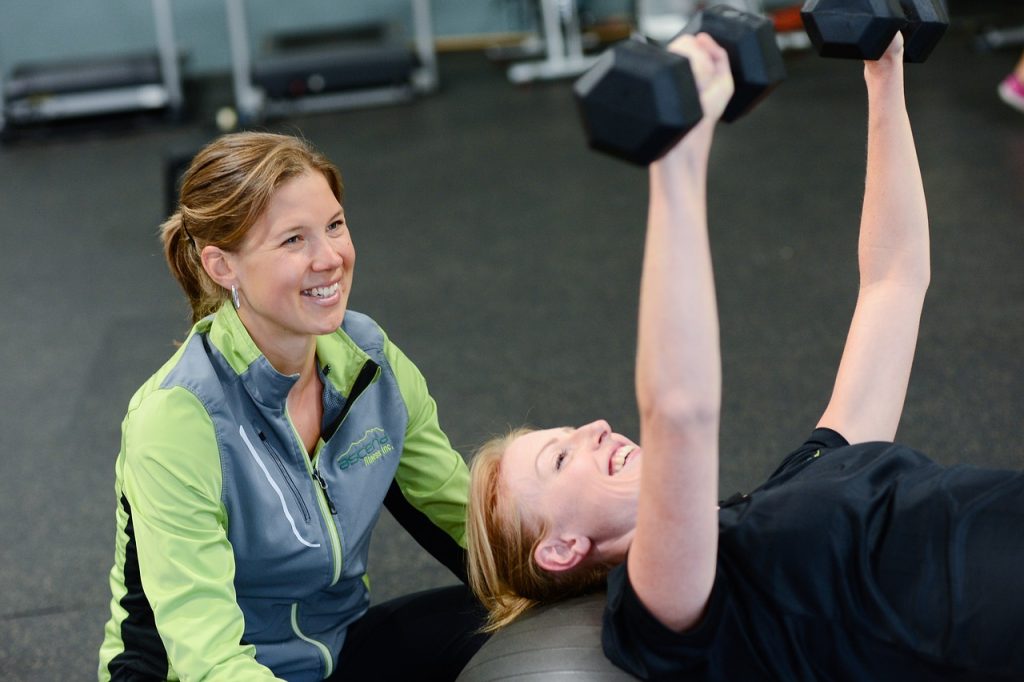
Building rapport in strength and conditioning instruction refers to the process of developing a harmonious and cooperative relationship between the instructor and the individuals or athletes they are coaching. This connection is built on mutual trust, respect, and understanding, enabling more personalized and effective guidance.
“Building rapport in strength and conditioning creates trust and connection, allowing coaches to guide athletes effectively, promote engagement, and foster a positive training environment for optimal performance and long-term success.”
Why do people in enterprises need to establish rapport when instructing strength and conditioning techniques?
Establishing rapport is crucial for instructors as it facilitates open communication, encourages athlete engagement, and promotes a positive and motivating environment. This can lead to increased adherence to training programs, improved performance, and reduced risk of injury. In enterprises such as sports teams or fitness centers, effective rapport building can enhance the reputation and success of the organization by ensuring client satisfaction and retention.
What are the key components or elements of building rapport in strength and conditioning instruction?
The key components of building rapport include effective communication, active listening, empathy, trust, and respect. Effective communication involves clearly conveying instructions and feedback. Active listening ensures that the instructor understands the needs and concerns of the athletes. Empathy allows the coach to connect with athletes on an emotional level. Trust and respect are essential foundations that encourage open dialogue and cooperation.

Registered Trademark®
What key terms, with descriptions, relate to building rapport in strength and conditioning instruction?
– Active Listening: Engaging fully with the athlete’s words and non-verbal signals to understand their perspective.
– Empathy: The ability to understand and share the feelings of another, crucial for creating a supportive environment.
– Trust: The belief in the coach’s reliability and competence, forming a backbone of effective relationships.
– Respect: Recognizing and valuing the athlete’s individuality and contributions to the training environment.
Who is typically engaged with operating or implementing building rapport in strength and conditioning instruction?
Strength and conditioning coaches, athletic trainers, fitness instructors, and sports psychologists are typically involved in implementing rapport-building strategies. These professionals use their skills to enhance athlete engagement, motivation, and performance through strong interpersonal relationships.
How does building rapport align or integrate with other components of strength and conditioning techniques for Sport Coaching and fitness?
Building rapport is integral to the success of various components of strength and conditioning, such as developing individualized training programs, providing effective feedback, and creating a motivational climate. By understanding an athlete’s needs and motivations through rapport, coaches can tailor programs that not only address physical development but also mental readiness and resilience, thus integrating the physical and psychological aspects of training.

Where can the student go to find out more information about building rapport in strength and conditioning instruction?
Students can explore a variety of resources to learn more about building rapport. Books such as “Coaching Better Every Season: A Year-Round System for Athlete Development and Program Success” by Wade Gilbert, and articles in journals like the Journal of Strength and Conditioning Research offer valuable insights. Online platforms such as the National Strength and Conditioning Association (NSCA) and TED Talks on effective communication and leadership provide additional educational content.
What job roles would be knowledgeable about building rapport in strength and conditioning instruction?
Job roles that require knowledge of rapport building include strength and conditioning coaches, personal trainers, athletic trainers, physical education teachers, sports psychologists, and performance consultants. These professionals rely on their ability to connect with athletes to deliver effective strength and conditioning programs.

What is building rapport in strength and conditioning instruction like in relation to sports, family or schools?
In sports, building rapport is akin to fostering a team spirit and trust among teammates, which can directly impact performance outcomes. In family settings, it resembles the development of understanding and support among family members, contributing to harmonious relationships. Within schools, it parallels the rapport established between teachers and students, creating an environment conducive to learning and growth. Across these contexts, the principles of empathy, trust, communication, and respect are universally applicable and beneficial.
(The first edition of this post was generated by AI to provide affordable education and insights to a learner-hungry world. The author will edit, endorse, and update it with additional rich learning content.)
- About the Author
- More info

Jonny “B Bad” is a powerlifting specialist, strength and conditioning coach, and co-owner of Fortitude Barbell in Brisbane. With over 15 years in the industry, he has trained athletes of all levels, focusing on strength, community, and continual learning. A competitor in some of Australia’s top powerlifting events, he balances training, coaching, and family life while co-hosting The Platform Podcast. His philosophy is simple: train hard, have fun, and enjoy the process. Whether lifting big, improving fitness, or gaining confidence, Jonny’s passion is helping people get stronger—both physically and mentally—while fostering a supportive and engaging training environment.

 Post Tagged with