
Preventing Back Injury in Strength and Conditioning Instruction
Posted by Jonny BBAD Nelson in Dec, 2024
What is a concise description of preventing back injury in strength and conditioning instruction?
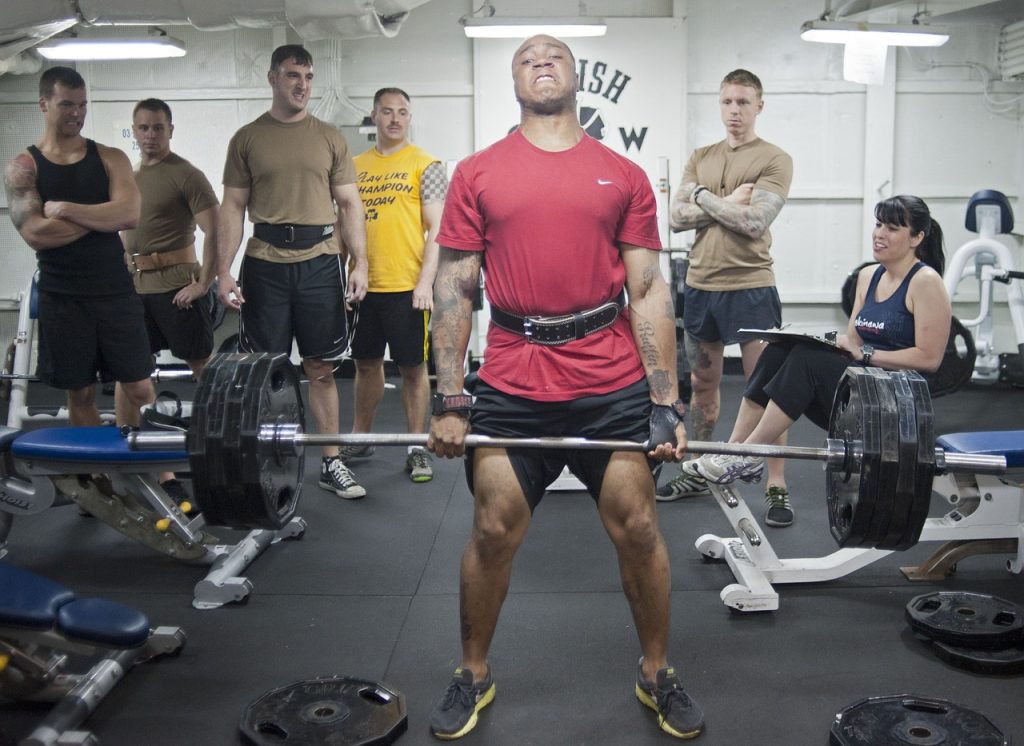
Preventing back injury in strength and conditioning instruction involves implementing strategies and techniques to safeguard both instructors and participants from physical harm. Back injuries can occur due to improper form, overexertion, or insufficient rest, and they can significantly affect performance and overall health. By prioritizing injury prevention, instructors ensure a safe environment conducive to effective training.
Why do people in enterprises need to prevent back injury in strength and conditioning instruction?
Enterprises focused on fitness and sport rely on their coaches to maintain good health to ensure continuous, high-quality instruction. Preventing back injuries is essential to minimize downtime, reduce medical costs, and uphold the institution’s reputation by avoiding accidents. Additionally, clients are likely to trust programs where safety is a visible priority, potentially increasing membership and retention rates.
“Preventing back injuries in strength and conditioning instruction safeguards health, ensures program integrity, and fosters trust, creating a safe and effective training environment for all participants.”
What are the key components or elements of preventing back injury in strength and conditioning instruction?
Key components include:
- Warm-Up and Cooldown: Proper preparation and recovery phases reduce the risk of strain.
- Technique Coaching: Emphasis on correct form during exercises.
- Personalized Programming: Training tailored to individual capacity.
- Rest and Recovery: Sufficient rest to prevent overuse injuries.
- Risk Assessment: Regular evaluation of training environments and methods.

Registered Trademark ®
What key terms, with descriptions, relate to preventing back injury in strength and conditioning instruction?
- Biomechanics: The study of body movement mechanics to ensure safe lifting techniques.
- Core Strength: Essential for stabilizing the spine during dynamic movements.
- Ergonomics: Aligning tasks with body mechanics to reduce physical strain.
- Progressive Overload: Gradual increase in intensity to prevent sudden strain.
- Dynamic Stretching: Preparing muscles and joints through movement-based stretching.
Who is typically engaged with operating or implementing injury prevention in strength and conditioning?
Certified strength and conditioning coaches, fitness trainers, physiotherapists, and sports medicine professionals are primarily responsible. They design programs, educate participants on safe practices, and provide detailed feedback on technique and form. These roles require a comprehensive understanding of anatomy, physiology, and exercise science.
How does preventing back injury align or integrate with other components of strength and conditioning techniques for Sport Coaching and fitness?
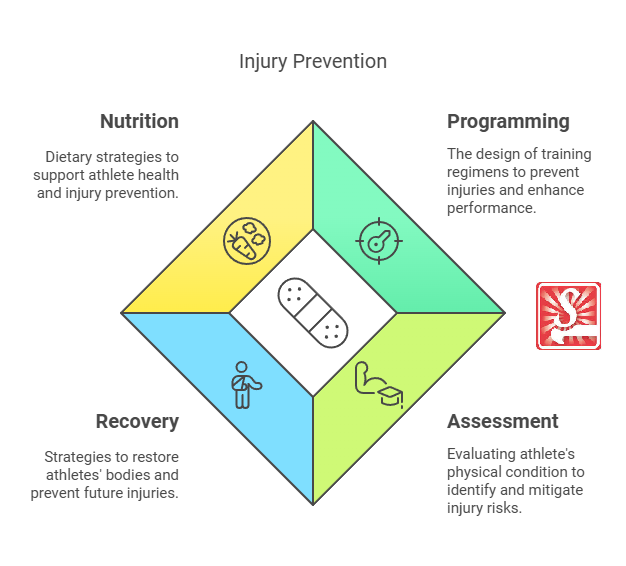
Injury prevention is an integral part of strength and conditioning programs as it ensures long-term athlete development and performance optimization. It ties closely with programming, assessment, recovery, and nutrition strategies, creating a holistic approach that values health and efficiency equally. Injury prevention reinforces the importance of comprehensive care in athletic training programs.
Where can the student go to find out more information about preventing back injury in strength and conditioning instruction?
Scope of Practice Document
Adult Pre-Exercise Screening System
Australian Sports Commission
What job roles would be knowledgeable about preventing back injury in strength and conditioning instruction?
Roles include:
- Personal Trainers
- Strength and Conditioning Coaches
- Physical Therapists
- Occupational Therapists
- Sports Scientists

What is preventing back injury like in relation to sports, family, or schools?
- Sports: Crucial for peak performance and athlete longevity.
- Family: Promotes healthier lifestyles and physical safety habits.
- Schools: Reduces injury-related absences and fosters lifelong fitness habits.
In each setting, preventing back injuries emphasizes education, safety, and long-term wellbeing.
(The first edition of this article was generated by AI to provide valuable insights on injury prevention in strength and conditioning. It will be reviewed and refined by experts for clarity and accuracy.)
- About the Author
- More info

Jonny “B Bad” is a powerlifting specialist, strength and conditioning coach, and co-owner of Fortitude Barbell in Brisbane. With over 15 years in the industry, he has trained athletes of all levels, focusing on strength, community, and continual learning. A competitor in some of Australia’s top powerlifting events, he balances training, coaching, and family life while co-hosting The Platform Podcast. His philosophy is simple: train hard, have fun, and enjoy the process. Whether lifting big, improving fitness, or gaining confidence, Jonny’s passion is helping people get stronger—both physically and mentally—while fostering a supportive and engaging training environment.

 Post Tagged with