
Mastering Non-Verbal Communication in Strength and Conditioning Instruction
Posted by Jonny BBAD Nelson in Dec, 2024
What is a concise description of non-verbal communication in strength and conditioning?
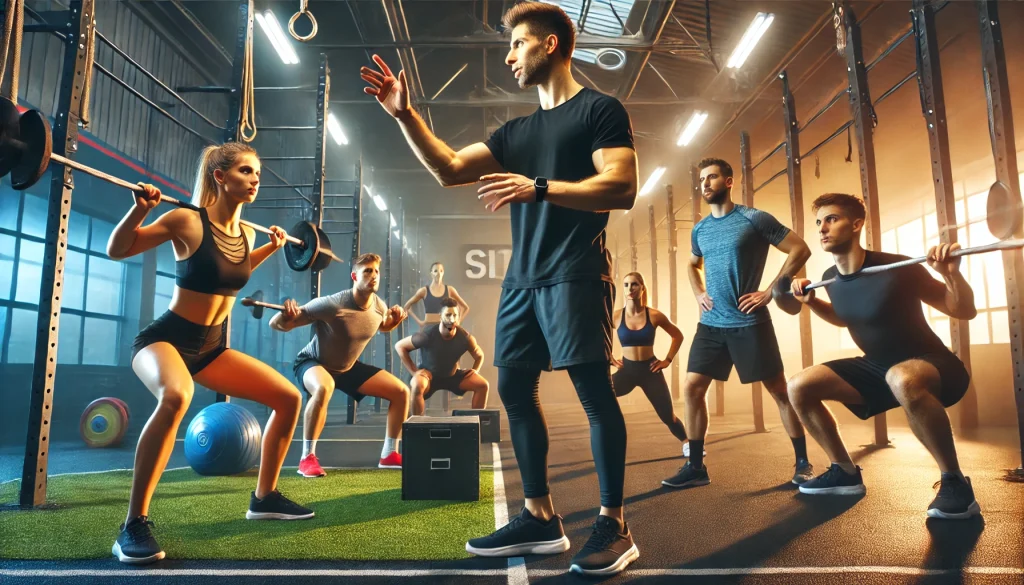
Non-verbal communication refers to the process of conveying meaning without the use of words. In the context of strength and conditioning instruction, it encompasses gestures, body language, eye contact, facial expressions, and other visual cues that coaches and fitness professionals use to enhance understanding, motivation, and safety among athletes and clients.
Why do people in enterprises need non-verbal communication in strength and conditioning?
Non-verbal communication is essential for enterprises involved in strength and conditioning because it helps coaches and trainers effectively convey technique adjustments, encouragement, and instructions without disrupting the flow of a session. It ensures clear and immediate comprehension, which is vital in environments where verbal communication may not be feasible due to noise levels, physical exertion, or language barriers.
“Non-verbal communication in strength and conditioning involves gestures, body language, eye contact, and facial expressions to enhance understanding, motivation, and safety. It ensures effective instruction, complements verbal cues, and bridges communication gaps during training.”
What are the key components or elements of non-verbal communication in strength and conditioning?
The key components include gestures (hand signals for form corrections), body posture (demonstrating exercise stances), facial expressions (showing approval or concern), eye contact (engaging athletes and signaling focus), and proxemics (use of space to convey presence or understanding). These elements collectively create a comprehensive guide for athletes to follow during workouts.

Registered Trademark®
What key terms, with descriptions, relate to non-verbal communication in strength and conditioning?
– Gestures: Movements, often with the hands and arms, to communicate ideas or instructions.
– Body Language: The posture and movements of the body that express emotions or reinforce instructions.
– Eye Contact: Direct visual engagement that fosters connection and ensures the athlete’s attention.
– Facial Expressions: The use of facial muscles to convey emotions such as encouragement or caution.
– Proxemics: The use of personal space to express comfort levels or dominance and engagement.
Who is typically engaged with operating or implementing non-verbal communication in strength and conditioning?
Typically, strength and conditioning coaches, personal trainers, sports coaches, physiotherapists, and fitness instructors utilize non-verbal communication. These professionals are skilled at integrating these cues into their instructional techniques to enhance the clarity and effectiveness of their sessions.
How does non-verbal communication align or integrate with other components of strength and conditioning techniques for Sport Coaching and fitness?
Non-verbal communication complements verbal instructions by reinforcing or clarifying messages, ensuring that technique and execution are precise. It can fill communication gaps, especially in high-intensity training environments or with those who speak different languages. It aligns with other components such as visual demonstrations, individualized coaching plans, and feedback mechanisms, creating a holistic approach to training.

Where can the student go to find out more information about non-verbal communication in strength and conditioning?
Students can refer to textbooks on sports coaching methodology, attend workshops on effective communication in sports, online courses on body language for trainers, and professional development seminars organized by sports coaching associations. Journals on sports psychology and articles on effective coaching techniques will also provide insight into non-verbal communication strategies.
Scope of Practice Document
Adult Pre-Exercise Screening System
Australian Sports Commission
What job roles would be knowledgeable about non-verbal communication in strength and conditioning?
Strength and conditioning coaches, athletic trainers, fitness instructors, sports psychologists, kinesiology experts, and sports educators are typically knowledgeable about utilizing non-verbal communication effectively in their work. Their expertise often includes understanding how non-verbal cues can impact athlete performance and motivation.

What is non-verbal communication like in relation to sports, family or schools?
In sports, non-verbal communication is vital in ensuring quick and efficient interactions between coaches and athletes, often when verbal exchanges are impractical. Within families, it serves as a diverse tool for reinforcing positive habits or providing guidance without direct confrontation. In schools, educators employ non-verbal cues to maintain order, provide feedback, and ensure students are engaged and understanding lesson material, serving as a subtle yet powerful tool in learning and discipline dynamics.
(The first edition of this post was generated by AI to provide affordable education and insights to a learner-hungry world. The author will edit, endorse, and update it with additional rich learning content.)
- About the Author
- More info

Jonny “B Bad” is a powerlifting specialist, strength and conditioning coach, and co-owner of Fortitude Barbell in Brisbane. With over 15 years in the industry, he has trained athletes of all levels, focusing on strength, community, and continual learning. A competitor in some of Australia’s top powerlifting events, he balances training, coaching, and family life while co-hosting The Platform Podcast. His philosophy is simple: train hard, have fun, and enjoy the process. Whether lifting big, improving fitness, or gaining confidence, Jonny’s passion is helping people get stronger—both physically and mentally—while fostering a supportive and engaging training environment.

 Post Tagged with