
Understanding Automotive Mechanical Systems and Components
Posted by SkillMaker in Mar, 2025
What is a concise description of system major component function and basic operation in identifying automotive mechanical systems and components?
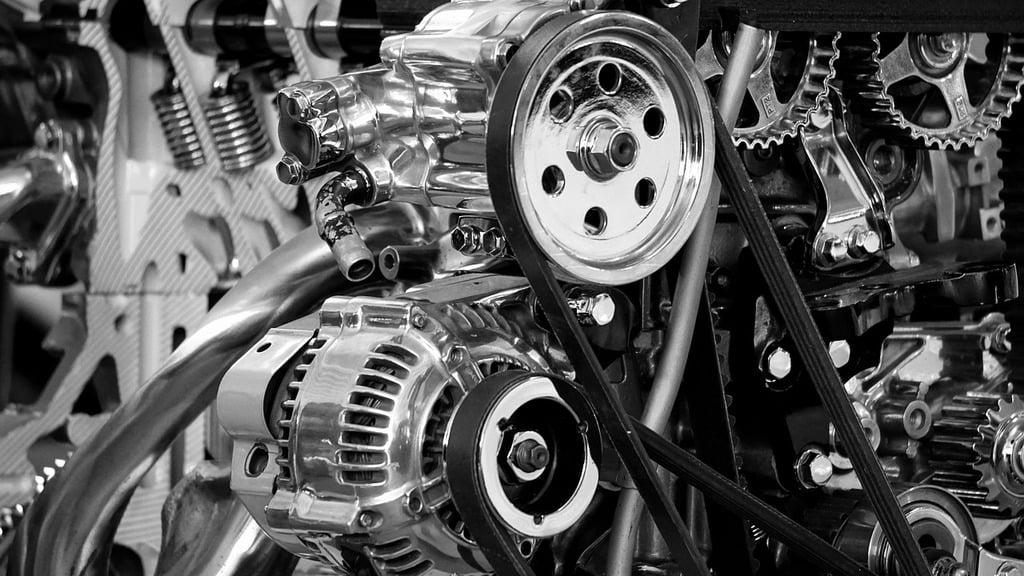
Understanding the function and operation of major automotive systems involves identifying and describing the elements and components such as the engine, transmission, brakes, and suspension systems. Each unit performs a specific role which, when combined, allows a vehicle to operate efficiently, safely, and reliably.
Listen to this article as a podcast
Why do people in the Automotive industry need to understand system major component function and basic operation?
Aircraft engineers, auto mechanics, and service professionals rely on a comprehensive understanding of vehicle systems to diagnose, repair, and maintain cars efficiently. Knowledge of these systems ensures problem-solving is methodical, reduces downtime, and contributes to vehicle safety and performance, ultimately enhancing customer satisfaction and industry credibility.
“Proficiency in understanding automotive systems is crucial for precise diagnostics, effective repairs, and ensuring lasting vehicle performance and safety.”
What are the key components or elements of system major component function and basic operation in automotive systems?
Key components include:
- Engine: Converts fuel into mechanical energy to propel the vehicle.
- Transmission: Transfers engine power to the wheels, allowing speed changes.
- Braking System: Uses various techniques to slow down or stop the vehicle.
- Suspension System: Provides a smooth ride by buffering road shocks.
- Steering System: Controls vehicle direction with minimal effort.
What key terms, with descriptions, relate to system major component function and basic operation in automotive systems?

Registered Trademark®
- Combustion: The process of burning fuel within the engine to create energy.
- Torque: The rotational force produced by the engine.
- Hydraulics: A system of controlling or transmitting power using pressured fluid.
- Damping: Reducing the movement of suspension system components.
- Drive Train: The collective components delivering power to the wheels.
Who is typically engaged with operating or implementing system major component function and basic operation in automotive systems?
Automotive technicians, mechanics, and engineers are primarily engaged in applying knowledge about these systems. They operate diagnostic equipment, perform repairs, and maintain vehicles to ensure optimal performance and compliance with safety regulations.
How does understanding system major component function and basic operation align or integrate with other components of the Automotive industry in Australia?
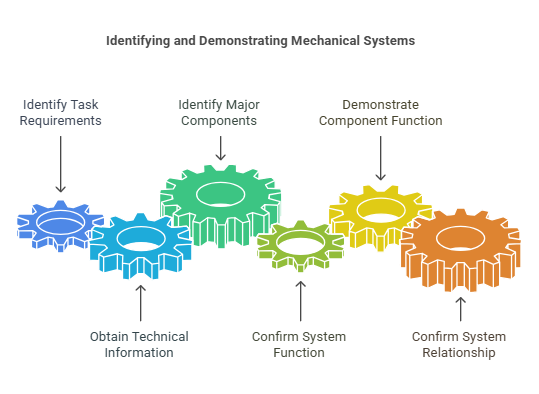
This knowledge forms a crucial foundation for innovation, product development, and customer service in the Australian automotive sector. It supports the advancement of technologies like electric and hybrid vehicles, ensuring professionals remain ahead in a rapidly evolving industry.
Where can the student go to find out more information about system major component function and basic operation in automotive systems?
What job roles would be knowledgeable about system major component function and basic operation in automotive systems?
Roles include:
- Automotive Technicians
- Mechanical Engineers
- Service Advisors
- Vehicle Inspectors
- Workshop Managers
What is understanding system major component function and basic operation like in relation to sports, family, or schools?

In sports, like automotive systems, teamwork and coordination lead to winning. Families rely on structured roles to function smoothly, akin to vehicle components working in harmony. Similarly, schools thrive on well-organised schedules ensuring educational goals, paralleling the efficient operation of vehicle systems.
(The first edition of this post was generated by AI to provide affordable education and insights to a learner-hungry world. The author will edit, endorse, and update it with additional rich learning content.)
(Skillmaker – 2025)- About the Author
- More info

Workskill training for all

 Post Tagged with