
Understanding Automotive Mechanical Systems and Components
Posted by SkillMaker in Mar, 2025
What is a concise description of vehicle and machinery identification in automotive mechanical systems and components?
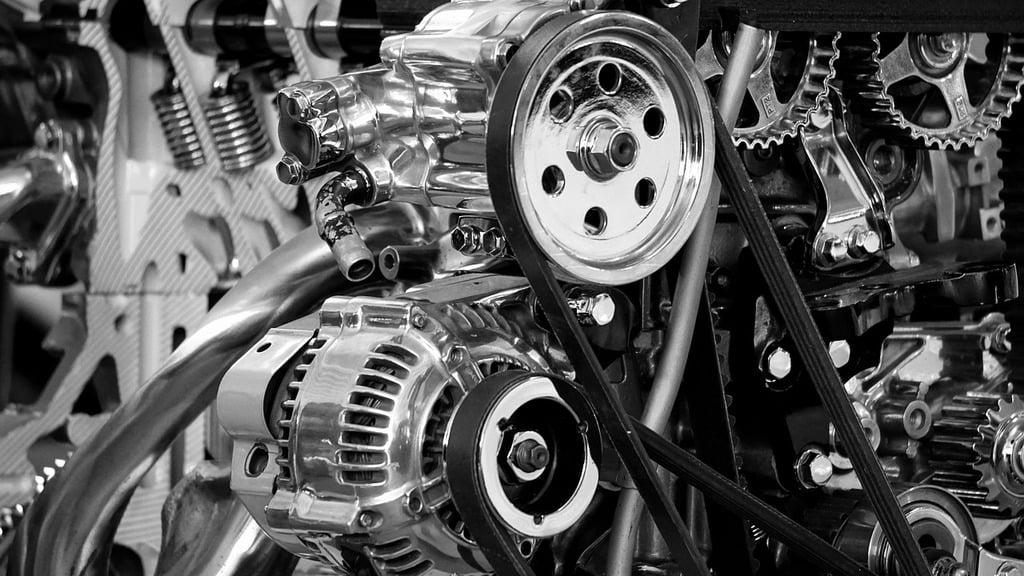
Identifying automotive mechanical systems and components involves understanding the distinct systems within a vehicle or machinery, such as the engine, transmission, braking systems, and more. It involves recognising each part’s role and how these components work together to ensure the vehicle or machinery operates efficiently.
Listen to this article as a podcast
Why do people in the Automotive industry need to understand vehicle and machinery identification in mechanical systems and components?
Professionals in the automotive industry need to understand these mechanical systems and components to ensure accurate diagnosis, maintenance, and repair of vehicles. This knowledge enhances their ability to identify potential problems, understand how components interact, and maintain vehicle efficiency and safety standards, ultimately leading to customer satisfaction and reduced risks.
“A thorough understanding of mechanical systems ensures reliable maintenance and repair, which is crucial for vehicle efficiency and safety.”
What are the key components or elements of vehicle and machinery identification in automotive mechanical systems?
Key components include:
- Engine System: Includes the engine block, cylinders, pistons, and fuel system.
- Transmission: Comprises gear sets, clutch, torque converter, and transmission fluid.
- Brake System: Includes brake pads, discs, brake lines, and hydraulic components.
- Suspension System: Consists of springs, shock absorbers, and linkages.
- Steering System: Involves the steering column, rack-and-pinion gears, and power steering pump.
What key terms, with descriptions, relate to vehicle and machinery identification in automotive mechanical systems and components?

Registered Trademark®
- Engine Displacement: The total volume of all cylinders in an engine, determining its size.
- Torque: A measure of the rotational force produced by the engine.
- Horsepower: The power output of an engine.
- Drivetrain: Comprises the parts that connect the transmission to the wheels, including differential and axles.
- Differential: A set of gears allowing wheels to rotate at different speeds, crucial for safe turning.
Who is typically engaged with operating or implementing vehicle and machinery identification in mechanical systems?
Automotive technicians, mechanics, service advisers, and automotive engineers are usually engaged in identifying and working with automotive mechanical systems and components. Their role is to ensure all parts are functioning correctly and to troubleshoot any issues effectively.
How does understanding vehicle and machinery identification in mechanical systems align or integrate with other components of the Automotive industry in Australia?
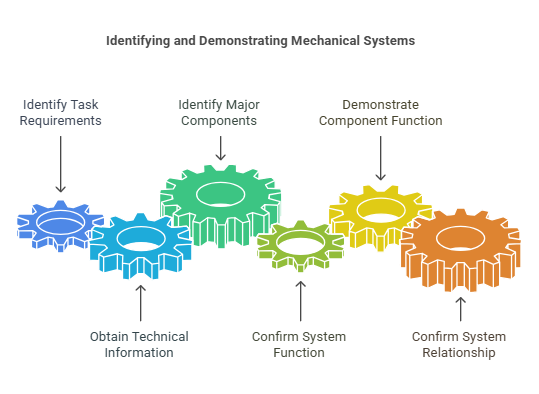
This understanding aligns with vehicle diagnostics, maintenance protocols, and the automotive manufacturing process. It integrates with the industry’s goals of enhancing vehicle safety, performance, and environmental compliance. This holistic approach ensures vehicles are not only functional but also adhere to Australian automotive standards.
Where can the student go to find out more information about vehicle and machinery identification in automotive mechanical systems?
What job roles would be knowledgeable about vehicle and machinery identification in automotive mechanical systems?
Roles include:
- Automotive Technicians
- Mechanics
- Service Advisers
- Automotive Engineers
- Parts Specialists
What is vehicle and machinery identification in automotive mechanical systems like in relation to sports, family, or schools?

In sports, understanding mechanical systems is much like assembling a team, with each player (or component) having a specific role that contributes to the team’s overall performance. In a family, it’s akin to everyone bringing their unique abilities to keep the household running smoothly. In schools, this understanding parallels the structured way subjects are taught to ensure comprehensive education and skill acquisition.
(The first edition of this post was generated by AI to provide affordable education and insights to a learner-hungry world. The author will edit, endorse, and update it with additional rich learning content.)
(Skillmaker – 2025)- About the Author
- More info

Workskill training for all

 Post Tagged with