
Understanding Automotive Mechanical Systems and Components
Posted by SkillMaker in Mar, 2025
What is a concise description of identifying automotive mechanical systems and components?
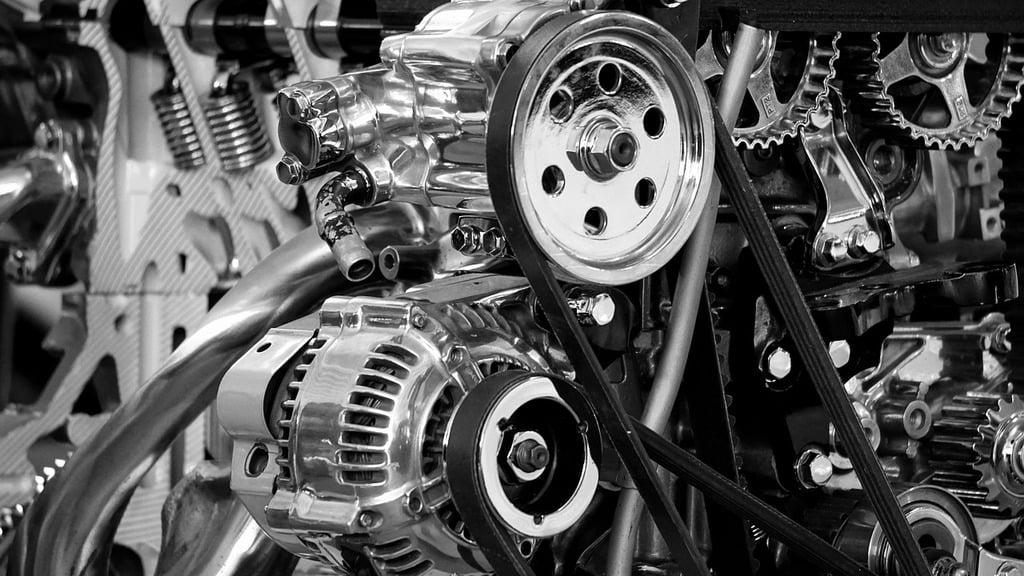
Identifying automotive mechanical systems and components involves recognising and understanding the fundamental parts and mechanisms that make up a vehicle. This encompasses knowledge of how different systems interact and function, from the engine and transmission to the brakes and suspension.
Listen to this article as a podcast
Why do people in the Automotive industry need to identify automotive mechanical systems and components?
Professionals in the automotive industry need to identify systems and components to ensure vehicles are maintained, repaired, and operated safely and efficiently. Understanding these systems allows technicians to diagnose issues accurately, perform effective repairs, and contribute to vehicle innovation and advancement.
“Knowledge of automotive systems is crucial for automotive service, enhancing technician competence and customer trust.”
What are the key components or elements of automotive systems?
Key components of automotive systems include:
- Engine: The propulsive heart of the vehicle, converting fuel into motion.
- Transmission: Facilitates power delivery from the engine to the wheels.
- Braking System: Provides stopping power and vehicle control.
- Suspension: Enhances ride quality and vehicle handling.
- Electrical System: Powers all electronic components and devices.
What key terms, with descriptions, relate to identifying automotive mechanical systems and components?
- Diagnostics: The process of identifying issues in automotive systems.
- Powertrain: Encompasses engine, transmission, driveshaft, and differential.
- Chassis: The framework that holds the body and essential systems.
- Drivetrain: Components that deliver power to the wheels.
- Cooling System: Ensures the engine operates within desirable temperature limits.
Who is typically engaged with operating or implementing identification of automotive mechanical systems and components?
Automotive technicians, service managers, vehicle inspectors, and engineers are typically responsible for identifying automotive systems and components. These professionals utilise their expertise to ensure vehicles are serviced correctly and efficiently.
How does identifying automotive mechanical systems and components align or integrate with other components of the Automotive industry in Australia?
Identifying automotive systems and components is fundamental to vehicle manufacturing, repair, and maintenance. It aligns with quality control, customer service, and compliance standards, thereby supporting Australia’s automotive industry’s integrity and growth.
Where can the student go to find out more information about identifying automotive mechanical systems and components?
What job roles would be knowledgeable about identifying automotive mechanical systems and components?
Roles include:
- Automotive Technicians
- Engineers
- Service Managers
- Vehicle Inspectors
- Mechanics
What is identifying automotive mechanical systems and components like in relation to sports, family, or schools?

In relation to sports, identifying automotive systems is like coaches understanding the roles of each player to strategize effectively.
In a family, it’s akin to knowing each member’s role for harmonious operation.
In schools, it mirrors teachers understanding the curriculum components for effective education delivery.
(The first edition of this post was generated by AI to provide affordable education and insights to a learner-hungry world. The author will edit, endorse, and update it with additional rich learning content.)
(Skillmaker – 2025)- About the Author
- More info

Workskill training for all

 Post Tagged with