
Pest Protection When Receiving, Storing, and Maintaining Stock
Posted by SkillMaker in Jan, 2025
What is a concise description of pest protection when receiving, storing, and maintaining stock?
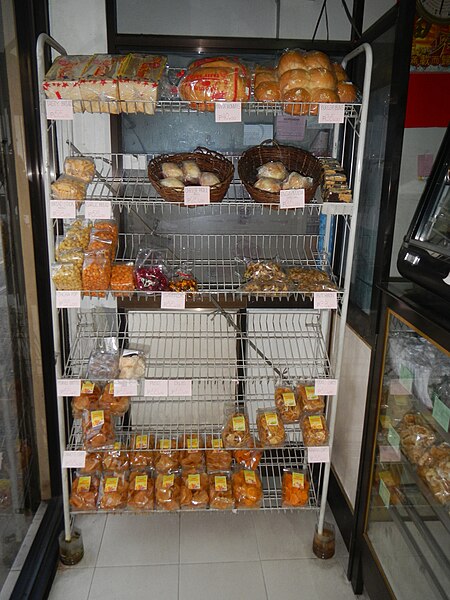
Pest protection when receiving, storing, and maintaining stock involves implementing a set of practices and measures to prevent and manage pests in hospitality and catering environments. This ensures that goods are kept safe and hygienic, maintaining the quality and integrity of products from receipt to use.
Why do people in enterprises need pest protection when receiving, storing, and maintaining stock?
Enterprises need pest protection in stock management to prevent contamination and spoilage, which can lead to significant financial losses and damage to reputation. Effective pest protection safeguards health and safety standards, promotes customer satisfaction, and ensures compliance with regulations.
“Implementing pest protection ensures the longevity and quality of stock, protects consumer health, and sustains business integrity.”
What are the key components or elements of pest protection when receiving, storing, and maintaining stock?
Key components of pest protection in stock management include:
- Inspection Procedures: Regular checks to identify and address pest issues promptly.
- Proper Storage Conditions: Maintaining clean, climate-controlled, and organised storage areas to deter pests.
- Proactive Measures: Use of pest-proof containers and barriers.
- Pest Monitoring Devices: Tools such as traps and sensors to detect and manage pest activity.
- Staff Training: Educating staff on pest prevention techniques and protocols.
What key terms, with descriptions, relate to pest protection when receiving, storing, and maintaining stock?

Registered Trademark®
- Pest Control Plan: A structured approach detailing prevention and management methodologies for pests.
- Integrated Pest Management (IPM): A holistic method for pest control that combines preventative, cultural, mechanical, and chemical strategies.
- Exclusion Techniques: Methods of preventing pest access through seals and barriers.
- Sanitation Standards: Guidelines to ensure cleanliness and prevent pest attraction.
- Food Safety Regulations: Legal requirements concerning the handling and storage of food to prevent pest contamination.
Who is typically engaged with operating or implementing pest protection when receiving, storing, and maintaining stock?
Warehouse managers, storekeepers, quality assurance personnel, and stock controllers are typically responsible for ensuring pest protection. These roles coordinate to maintain effective pest control and ensure stock is handled safely and hygienically.
How does pest protection align or integrate with other components of Hospitality and Catering?
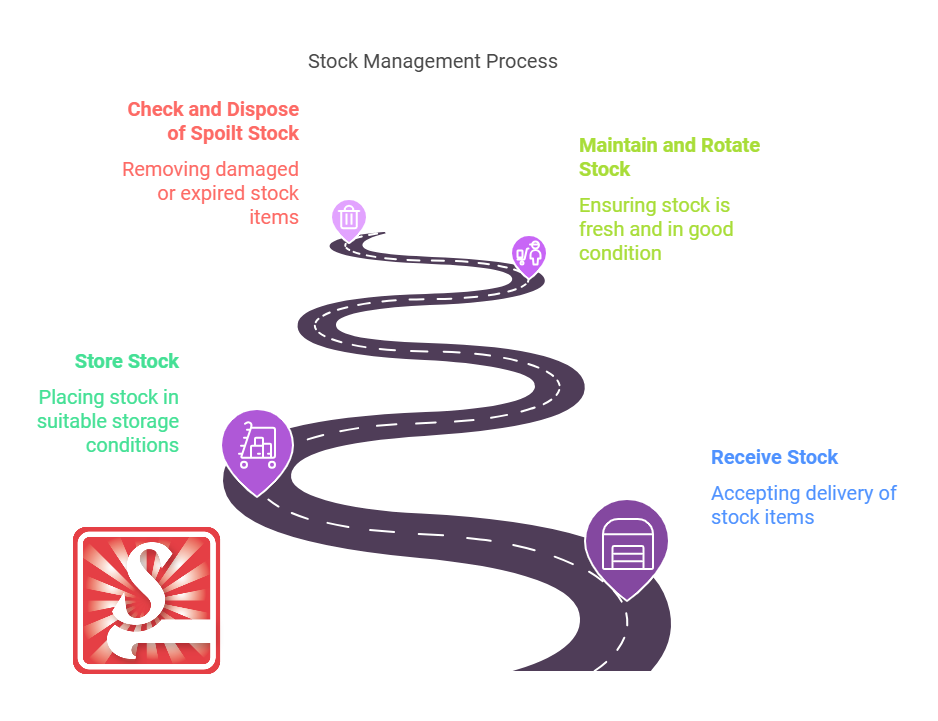
Pest protection integrates with hygiene protocols, food safety, and quality control in Hospitality and Catering. Ensuring pest-free environments supports the overall goal of delivering safe, quality food, and aligns with regulatory compliance and customer satisfaction initiatives.
Where can the student go to find out more information about pest protection when receiving, storing, and maintaining stock?
- Food Standards Australia – Food Safety
- NSW Department of Primary Industries – Pest Management
- QLD Government – Pest Management Strategies
What job roles would be knowledgeable about pest protection when receiving, storing, and maintaining stock?
Roles include:
- Stock Controllers
- Warehouse Managers
- Quality Assurance Officers
- Pest Control Technicians
- Health Inspectors
What is pest protection like in relation to sports, family, or schools?

Pest protection in stock management can be likened to defence in sports, where preventing opponents from scoring equates to keeping pests at bay. Within a family setting, it’s akin to maintaining household cleanliness and organization to keep unwanted visitors out. In schools, it reflects the importance of maintaining a safe and clean learning environment for students and staff, safeguarding their health and wellbeing.
(The first edition of this post was generated by AI to provide affordable education and insights to a learner-hungry world. The author will edit, endorse, and update it with additional rich learning content.)
- About the Author
- More info

Workskill training for all

 Post Tagged with