
Pest Damage in Receiving, Storing, and Maintaining Stock
Posted by SkillMaker in Jan, 2025
What is a concise description of pest damage in receiving, storing, and maintaining stock?
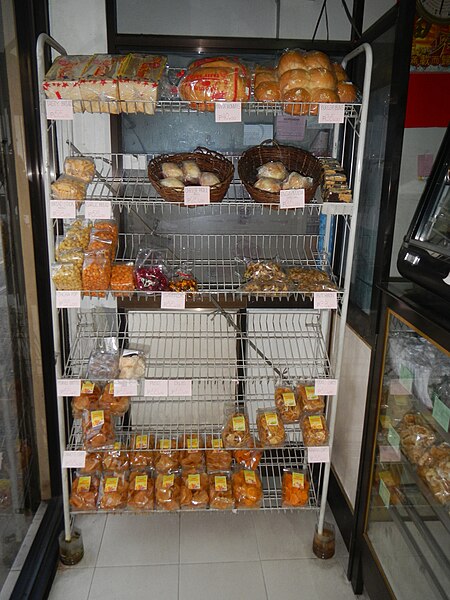
Pest damage in the context of receiving, storing, and maintaining stock refers to the harm caused by vermin, insects, or other animals that can compromise the quality and safety of stored goods. This damage can affect food stock, packaging materials, and the cleanliness of storage facilities.
Why do people in enterprises need to be concerned with pest damage when receiving, storing, and maintaining stock?
Enterprises need to be concerned with pest damage in stock management to maintain food safety and customer satisfaction. Pests can spoil products, lead to financial losses, breach regulations, and harm the business’s reputation. Effective pest control is essential to prevent contamination, ensure compliance with health standards, and safeguard profits.
“Proactive pest control in stock management is critical for maintaining quality, ensuring safety, and protecting profitability in hospitality and catering.”
What are the key components or elements involved in addressing pest damage in stock management?
Key components in addressing pest damage include:
- Regular Inspections: Conduct routine checks for signs of infestation.
- Proper Sanitation: Maintain cleanliness to discourage pest habitation.
- Secure Storage: Use pest-proof containers and shelving systems.
- Pest Control Measures: Implement traps, barriers, and professional pest services.
- Training and Awareness: Educate staff on pest prevention and control procedures.
What key terms, with descriptions, relate to pest damage in stock management?

Registered Trademark®
- Infestation: Presence of a large number of unwanted pests in an area.
- Pest Control: Methods to prevent, repel, or eliminate pest invasions.
- Exclusion Methods: Tactics to keep pests out of storage spaces.
- Sanitation Standards: Guidelines to maintain hygiene and deter pests.
- Stock Rotation: Practice of moving older stock forward to reduce the risk of pest damage.
Who is typically engaged with operating or implementing pest control measures in stock management?
Warehouse managers, stock controllers, kitchen staff, and maintenance personnel are typically responsible for implementing pest control measures in stock management. They ensure that storage areas are clean, secure, and regularly monitored for pest activity.
How does pest damage management align or integrate with other components of Hospitality and Catering?
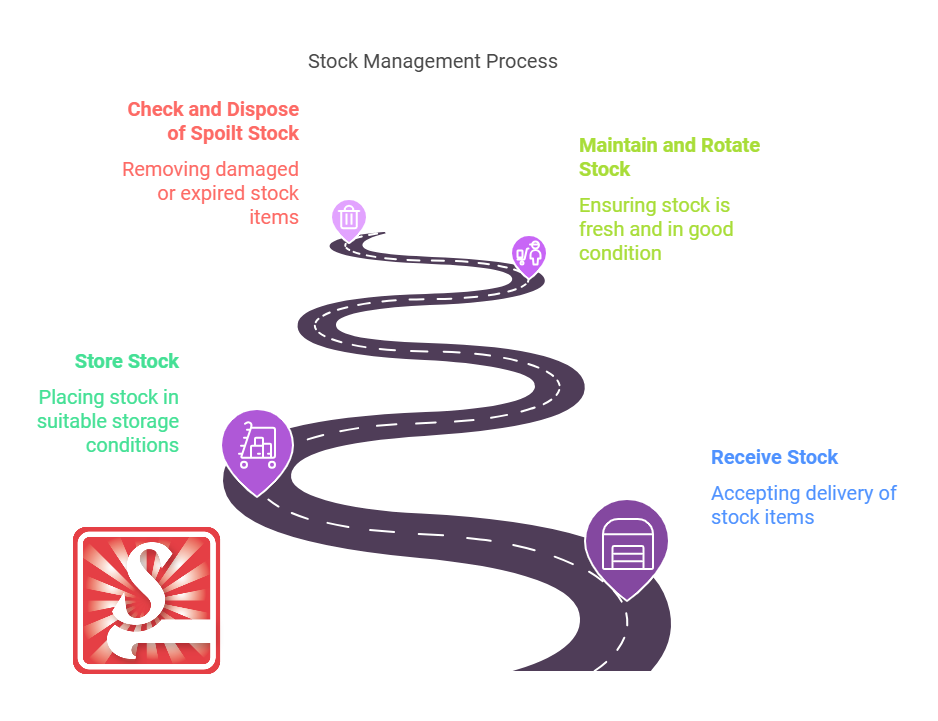
Pest damage management aligns with food safety protocols, quality assurance processes, and inventory control in hospitality and catering. It ensures the integrity of stock, supports health regulations, and enhances customer satisfaction by providing safe, wholesome products.
Where can the student go to find out more information about pest damage management in stock handling?
- PestSMART: Pest management resources
- Food Standards Australia New Zealand
- Department of Agriculture, Water and the Environment
What job roles would be knowledgeable about pest damage management in stock handling?
Roles include:
- Inventory Controllers
- Facility Managers
- Quality Assurance Officers
- Maintenance Technicians
- Pest Control Specialists
What is pest damage management like in relation to sports, family, or schools?

In relation to sports, pest damage management is akin to a coach ensuring the team’s gear is in pristine condition for optimal performance.
In a family context, it’s like maintaining a tidy, well-organized home to prevent pest invasions.
Similarly, in schools, it reflects the routine maintenance of a clean, secure learning environment, ensuring that pests do not disrupt educational processes.
(The first edition of this post was generated by AI to provide affordable education and insights to a learner-hungry world. The author will edit, endorse, and update it with additional rich learning content.)
- About the Author
- More info

Workskill training for all

 Post Tagged with