
Perishable Supply Rotation Best Practices in Stock Management
Posted by SkillMaker in Jan, 2025
What is a concise description of perishable supply rotation when receiving, storing, and maintaining stock?
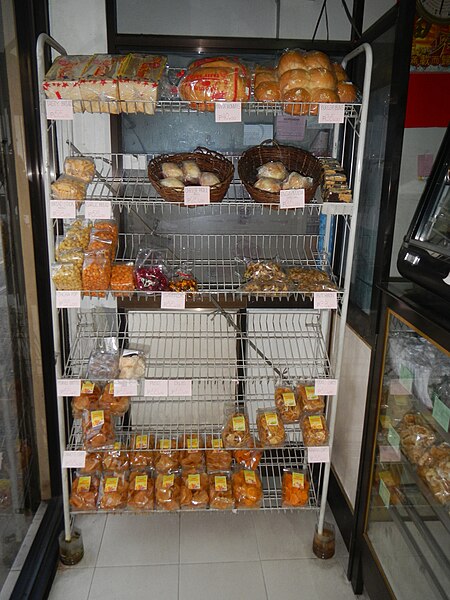
Perishable supply rotation involves systematically managing perishable goods by using the oldest stock first to minimise waste and maintain freshness. This process is essential to ensuring that food and other perishable items remain safe for consumption and meet quality standards throughout their lifecycle in storage.
Why do people in enterprises need to implement perishable supply rotation?
Enterprises need to implement perishable supply rotation to reduce food waste, maintain product quality, and ensure food safety. This approach helps in optimising inventory management, minimizing losses due to spoilage, and meeting legal and ethical requirements to provide fresh and safe products to customers.
“Effective perishable supply rotation is key to sustainability in hospitality, reducing waste and ensuring quality service to patrons every time.”
What are the key components or elements of perishable supply rotation?
Key components of perishable supply rotation include:
- First-In, First-Out (FIFO): Oldest stock is used first.
- Date Labelling: Clear labelling to track expiration dates.
- Regular Inspections: Routine checks to identify spoilage early.
- Temperature Controls: Maintaining optimal storage conditions.
- Staff Training: Educating staff on rotation practices.
What key terms, with descriptions, relate to perishable supply rotation?

Registered Trademark®
- Spoilage: Deterioration of food quality or safety.
- Best Before: Indicates optimal freshness before a set date.
- Use-By Date: Final recommended consumption date for safety.
- Cold Chain Management: Maintaining consistent cold temperatures.
- Inventory Turnover: The rate at which stock is used or sold.
Who is typically engaged with operating or implementing perishable supply rotation?
Roles such as inventory managers, kitchen staff, and procurement officers are typically involved in implementing perishable supply rotation. These roles require coordination to ensure that stock is rotated efficiently, and quality standards are upheld consistently throughout the storage period.
How does perishable supply rotation integrate with other components of Hospitality and Catering?
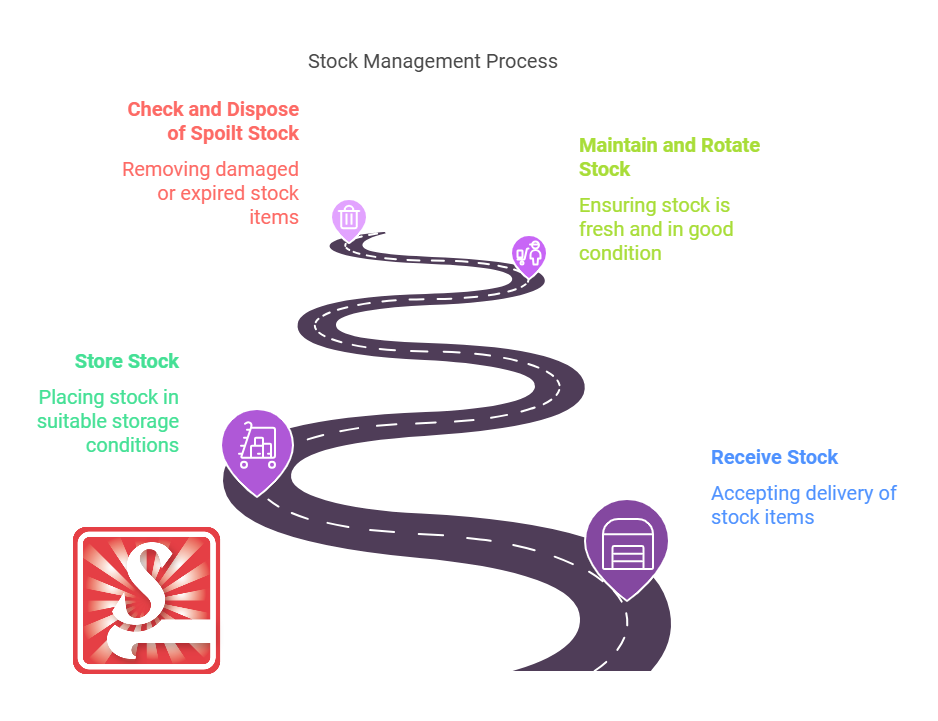
Perishable supply rotation aligns with purchasing and menu planning by ensuring fresh ingredients are always available, which enhances the quality of dishes served. It also complements food safety protocols by reducing the risk of serving spoiled items, thereby protecting the establishment’s reputation and customer wellbeing.
Where can the student go to find out more information about perishable supply rotation?
- Food Standards Australia New Zealand (FSANZ)
- Hospitality Magazine
- Australian Institute of Food Safety
What job roles would be knowledgeable about perishable supply rotation?
Roles include:
- Inventory Managers
- Kitchen Supervisors
- Procurement Officers
- Quality Control Specialists
- Food Safety Inspectors
What is perishable supply rotation like in relation to sports, family, or schools?

In sports, perishable supply rotation is like training goals focusing on making the best use of assets at the optimal time. In a family context, it resembles a parent ensuring pantry items are used before expiry, promoting health and saving costs. In schools, it parallels teaching routines where lessons follow a logical progression for effective learning outcomes.
(The first edition of this post was generated by AI to provide affordable education and insights to a learner-hungry world. The author will edit, endorse, and update it with additional rich learning content.)
- About the Author
- More info

Workskill training for all

 Post Tagged with