
Participant Safety when Responding to Emergency Situations
Posted by SkillMaker in Dec, 2024
What is a concise description of participant safety when responding to emergency situations?
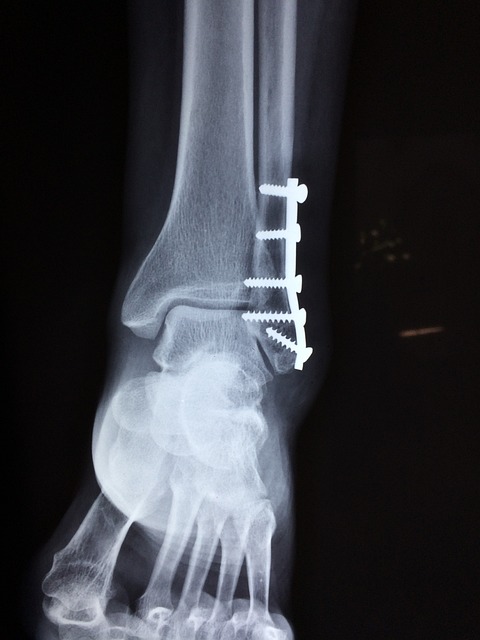
Participant safety when responding to emergency situations involves implementing rapid, efficient actions to protect individuals involved in sports and recreation activities. Emphasising prevention, intervention, and mitigation strategies ensures that participants’ well-being is prioritised during emergencies, thus minimising potential harm.
Why do people in enterprises need participant safety when responding to emergency situations?
Ensuring participant safety is vital as it prevents injuries and fatalities, maintains trust and confidence among clients, and meets legal and ethical obligations. In a crisis, how well you respond can significantly impact participants’ welfare, minimise liability issues, and uphold the organisation’s reputation.
“In emergency situations, prioritising participant safety through preparedness and swift action can save lives and sustain trust.”
What are the key components or elements of participant safety in emergency situations?
Key components include:
- Risk Assessment: Identifying potential hazards and assessing risks at events or venues.
- Emergency Communication: Implementing clear channels to inform and instruct participants swiftly.
- First Aid Readiness: Ensuring first aid kits and trained personnel are available at all times.
- Evacuation Plans: Establishing and rehearsing protocols for safe and orderly evacuations.
- Training: Providing education to staff and volunteers about emergency procedures and participant safety.
What key terms, with descriptions, relate to participant safety in emergency situations?

Registered Trademark®
- Incident Control System (ICS): A standardised approach to the command, control, and coordination of emergencies.
- Safety Protocols: Established procedures assigned to maintain participant safety during events.
- Defibrillation: Emergency treatment involving electrical stimulation to correct life-threatening heartbeat irregularities.
- Emergency Response Team (ERT): A group trained to deploy immediately to handle emergency situations.
- Personal Protective Equipment (PPE): Clothing and gear designed to protect individuals in potentially hazardous environments.
Who is typically engaged with operating or implementing participant safety in emergency situations?
Roles such as event organisers, sports coaches, first responders, safety officers, and facility managers are crucial for ensuring participant safety. These individuals are often involved in planning, executing, and reviewing emergency response strategies at sports and recreation venues.
How does participant safety align or integrate with other components of Sport and Recreation?
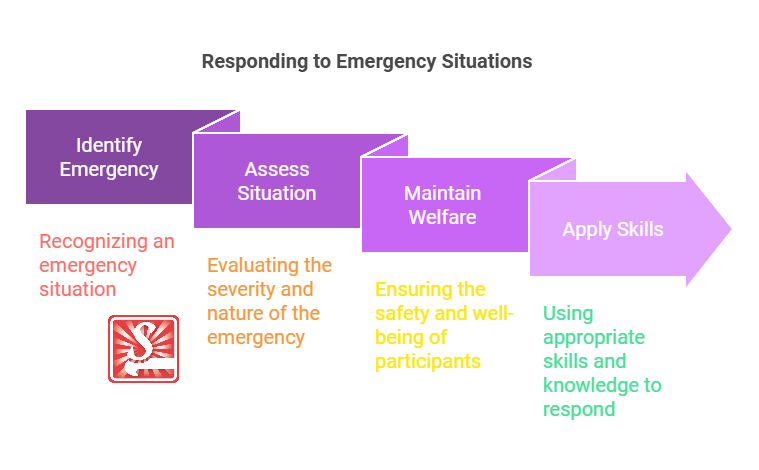
Participant safety integrates with aspects such as event management, risk assessment, and facility operations. Ensuring safety in emergencies is a fundamental element that works in conjunction with regular health, safety inspections, and risk management strategies to ensure that sports and recreational activities remain both enjoyable and secure.
Where can the student go to find out more information about participant safety in emergency situations?
- Sport Australia’s resources on safety
- Australian Department of Health resources
- St John Ambulance Australia for first aid training
What job roles would be knowledgeable about participant safety in emergency situations?
Roles include:
- Event Safety Officers
- Sports Coaches
- First Aid Officers
- Risk Managers
- Facility Managers
What is participant safety in emergency situations like in relation to sports, family, or schools?

In sports, participant safety in emergencies is akin to a coach guiding athletes through a strategic plan to overcome unexpected challenges. Within a family, it resembles parents ensuring the quick safety of children during incidents. In schools, it reflects teachers maintaining pupils’ safety through rehearsed drills during unexpected events.
(The first edition of this post was generated by AI to provide affordable education and insights to a learner-hungry world. The author will edit, endorse, and update it with additional rich learning content.)
- About the Author
- More info

Workskill training for all

 Post Tagged with