
Reporting Lines When Responding to Emergency Situations in Sport and Recreation
Posted by SkillMaker in Dec, 2024
What is a concise description of reporting lines when responding to emergency situations?
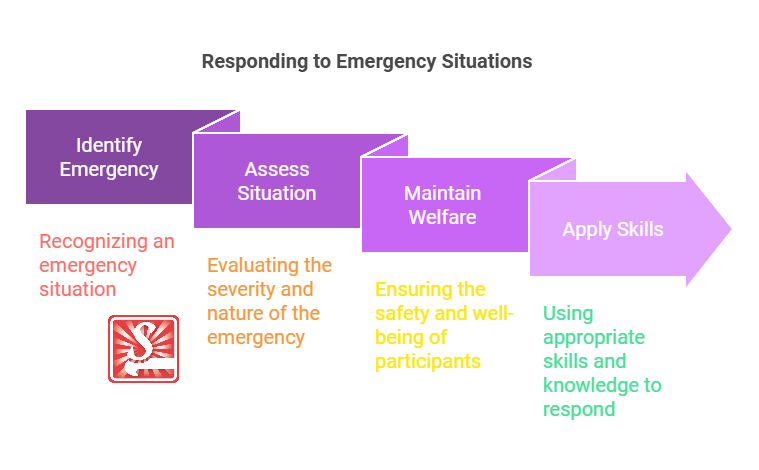
Reporting lines when responding to emergency situations refer to the structured communication pathways established within sports and recreation environments to ensure efficient, effective, and clear reporting and management of emergencies. This includes identifying key personnel and assigning specific roles and responsibilities to maintain control and minimise risks throughout the emergency response process.
Why do people in enterprises need reporting lines when responding to emergency situations?
Enterprises, particularly in the sport and recreation sector, need defined reporting lines to ensure a coordinated and timely response to emergencies. Clear reporting channels prevent chaos, reduce response time, and ensure that relevant authorities are informed promptly. This not only safeguards individuals but also protects the organisation’s reputation and compliance with legal and safety requirements.
“In emergency management, clarity in reporting lines is crucial for effective decision-making and swift action, ensuring the safety and security of all involved.”
What are the key components or elements of reporting lines when responding to emergency situations?
Key components of reporting lines in emergency situations include:
- Clear Hierarchy: Defined roles and responsibilities for all team members.
- Communication Protocols: Established channels for reporting and disseminating information.
- Emergency Contact List: Readily available contact information for key personnel and emergency services.
- Documentation: Procedures for recording incidents and maintaining logs of the response efforts.
- Training and Drills: Regular exercises to reinforce understanding and execution of reporting lines.
What key terms, with descriptions, relate to reporting lines when responding to emergency situations?

Registered Trademark®
- Incident Commander: The individual responsible for overall management of an emergency scene.
- Chain of Command: A system that outlines the flow of information and authority during emergencies.
- Emergency Operations Centre (EOC): A centralised location for coordinating emergency responses.
- Situation Report (SitRep): A document or communication relaying current conditions and responses.
- After Action Review (AAR): An evaluation process to assess response effectiveness and areas for improvement.
Who is typically engaged with operating or implementing reporting lines during emergency situations?
Key roles involved in implementing reporting lines during emergencies include emergency managers, safety officers, team leaders, and first responders. These individuals ensure effective communication and coordination across various teams and departments, maintaining order and efficiency during an emergency response.
How do reporting lines during emergency situations align or integrate with other components of Sport and Recreation?
Reporting lines in emergency situations align with safety protocols, risk management strategies, and participant safeguarding measures in sport and recreation. Properly established reporting lines support the execution of risk assessments and contribute to a culture of safety, where everyone is aware of their roles and responsibilities in maintaining a secure environment for all participants.
Where can the student go to find out more information about reporting lines when responding to emergency situations?
What job roles would be knowledgeable about reporting lines when responding to emergency situations?
Roles familiar with emergency reporting lines include:
- Safety Officers
- Sport Managers
- Recreation Coordinators
- Event Security Personnel
- Emergency Services Liaison
What are reporting lines when responding to emergency situations like in relation to sports, family, or schools?

In sports, reporting lines in emergencies are akin to a team structure where each member has a designated role and responsibility, ensuring seamless coordination. In a family context, it resembles how a family might respond to unforeseen incidents with pre-assigned tasks for swift action. Within schools, clear reporting lines ensure student safety, as each staff member knows their role in emergency protocols, mirroring the discipline and organisation seen in sport and family settings.
(The first edition of this post was generated by AI to provide affordable education and insights to a learner-hungry world. The author will edit, endorse, and update it with additional rich learning content.)
- About the Author
- More info

Workskill training for all

 Post Tagged with