
Participant Condition When Responding to Emergency Situations
Posted by SkillMaker in Dec, 2024
What is a concise description of participant condition in responding to emergency situations?
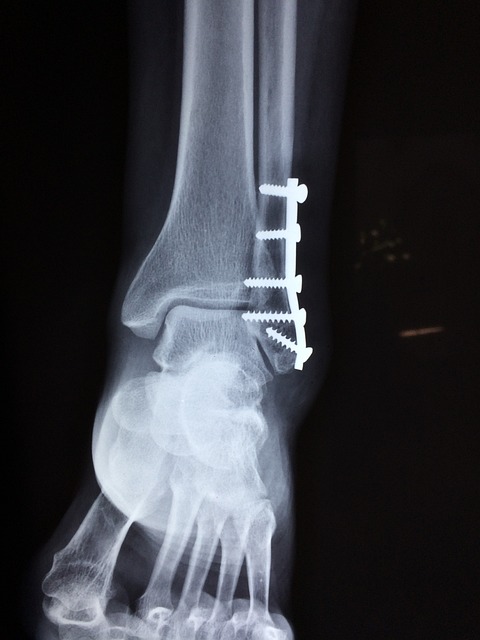
Participant condition in responding to emergency situations refers to assessing and understanding the health, emotional, and physical state of individuals involved in an emergency. This ensures that the response is tailored to their specific needs and helps prevent further harm during the course of managing the situation.
Why do people in enterprises need to consider participant condition when responding to emergency situations?
Considering participant condition in emergencies is crucial as it allows responders to provide appropriate care and intervention. Recognizing the condition of participants helps in prioritizing actions, delivering effective assistance, and ensuring safety. It can prevent worsening injuries, address psychological distress, and enhance the overall efficiency of the emergency response.
“Understanding participant condition in emergencies enables tailored responses, mitigating risks and ensuring effective and compassionate care.”
What are the key components or elements of participant condition in responding to emergency situations?
Key components of assessing participant condition include:
- Physical Assessment: Identifying visible injuries or illnesses.
- Mental and Emotional State: Awareness of the emotional responses or distress signals.
- Medical History: Consideration of any known medical conditions or allergies.
- Environmental Impact: Evaluating how the surroundings have affected the participants.
- Communication: Engaging effectively with the participant to understand their condition better.
What key terms, with descriptions, relate to participant condition in emergency situations?

Registered Trademark®
- First Aid: Immediate assistance provided during a medical emergency.
- Assessment: Process of evaluating the condition and needs of participants.
- Stabilisation: Steps taken to prevent further harm to a participant.
- Triage: Prioritisation of patients based on the severity of their condition.
- CPR (Cardiopulmonary Resuscitation): Emergency procedure to assist someone under cardiac arrest.
Who is typically engaged with operating or implementing participant condition assessments?
First responders including paramedics, doctors, emergency medical technicians, and trained volunteers are typically engaged in assessing participant conditions. These professionals are trained to evaluate both immediate physical injuries and mental or emotional impacts during emergencies.
How does assessing participant condition align or integrate with other components of Sport and Recreation?
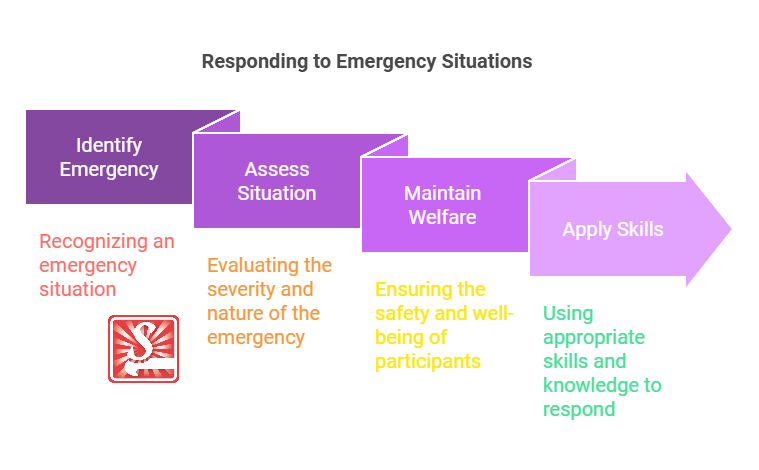
Assessing participant condition integrates with Sport and Recreation through risk management, emergency planning, and enhancing safety measures. Aligning with these components fosters a safe environment, allowing for timely interventions and risk mitigation, which can ultimately improve the wellbeing and safety of all participants.
Where can the student go to find out more information about participant assessments in emergencies?
What job roles would be knowledgeable about participant condition assessments in emergencies?
Roles include:
- Paramedics
- Emergency Medical Technicians
- First Aid Officers
- Safety Officers
- Rescue Workers
What is participant condition assessment like in relation to sports, family, or schools?

In sports, assessing participant condition is akin to a coach evaluating players for injuries and readiness to compete safely. In family settings, it is similar to a parent recognising when a family member requires medical attention or support. In schools, it involves teachers identifying when a student is unwell or needs intervention, ensuring swift and appropriate action is taken for their wellbeing.
(The first edition of this post was generated by AI to provide affordable education and insights to a learner-hungry world. The author will edit, endorse, and update it with additional rich learning content.)
- About the Author
- More info

Workskill training for all

 Post Tagged with