
Ensuring Work Area Tidiness When Cleaning Kitchen Premises and Equipment
Posted by SkillMaker in Jan, 2025
What is a concise description of work area tidiness when cleaning kitchen premises and equipment?
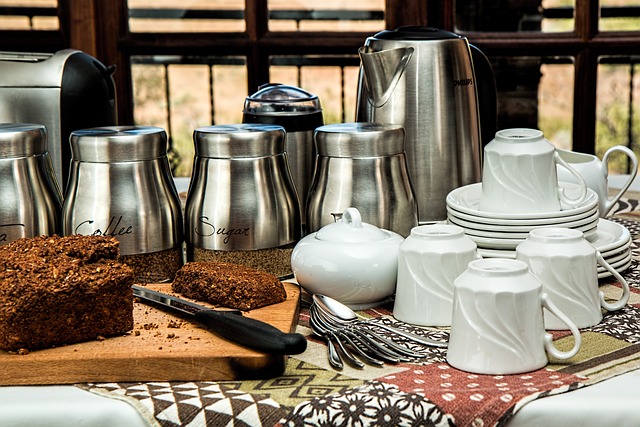
Work area tidiness when cleaning kitchen premises and equipment involves maintaining a clean, organised, and clutter-free environment. This practice ensures safety, efficiency, and hygiene, and involves systematically arranging tools, disposing of waste promptly, and keeping surfaces clean throughout the cleaning process.
Why do people in enterprises need work area tidiness when cleaning kitchen premises and equipment?
Work area tidiness in cleaning operations is critical for preventing accidents and maintaining high hygiene standards. A tidy workspace reduces the risk of cross-contamination, improves workflow efficiency, and contributes to a professional environment that enhances customer trust and satisfaction. It also ensures compliance with health and safety regulations.
“A tidy kitchen work area not only ensures safety and hygiene but also streamlines operations for a seamless culinary experience.”
What are the key components or elements of work area tidiness when cleaning kitchen premises and equipment?
Key components of work area tidiness include:
- Organisation: Arrange tools and ingredients neatly.
- Cleanliness: Regularly clean and disinfect surfaces.
- Waste Management: Proper disposal of waste and recycling.
- Routine Checks: Regular audits to maintain tidiness.
- Storage Solutions: Efficient storage for maximum space utilisation.
What key terms, with descriptions, relate to work area tidiness?

Registered Trademark®
- Sanitation: Practices ensuring cleanliness and hygiene.
- Cross-Contamination Prevention: Measures to avoid the spread of germs between surfaces and food.
- Ergonomics: Designing workspaces and tasks to improve efficiency and reduce discomfort.
- Hazard Management: Identification and mitigation of potential risks.
- Food Safety: Handling and preparation practices to ensure food quality and safety.
Who is typically engaged with operating or implementing work area tidiness when cleaning kitchen premises and equipment?
Chefs, kitchen hands, cleaning staff, and food safety managers are typically responsible for maintaining work area tidiness. They ensure that cleaning standards are adhered to and that kitchen operations run smoothly and safely.
How does work area tidiness align or integrate with other components of Hospitality and Catering?
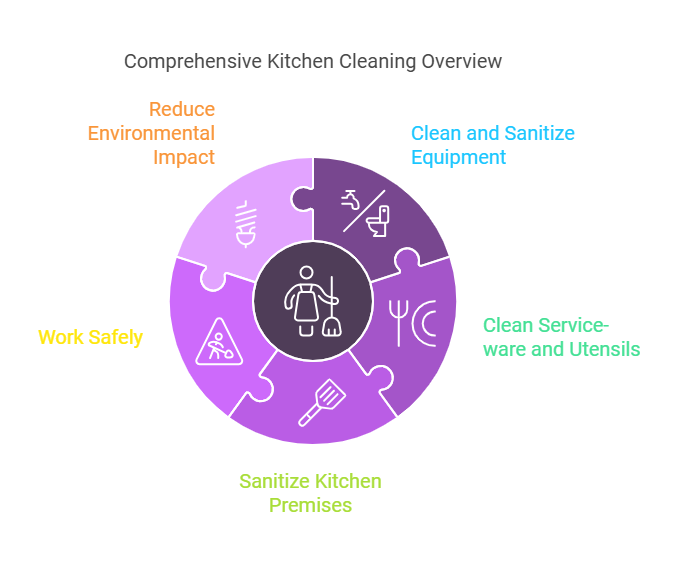
Work area tidiness is integral to overall kitchen efficiency, food safety protocols, and quality assurance in Hospitality and Catering. It complements inventory management by reducing waste and supports team collaboration through orderly and predictable environments.
Where can the student go to find out more information about work area tidiness when cleaning kitchen premises and equipment?
- Food Safety Programs & Standards for Australia
- Health and Safety Laws in Australia
- Kitchen Safety Tips
What job roles would be knowledgeable about work area tidiness when cleaning kitchen premises and equipment?
Roles include:
- Chefs
- Kitchen Porters
- Cleaning Staff
- Food Safety Officers
- Hospitality Managers
What is work area tidiness like in relation to sports, family, or schools?

In sports, maintaining a tidy workspace mirrors athletes keeping their equipment and surroundings organised, contributing to peak performance. In a family context, it parallels managing household chores to ensure smooth day-to-day activities. In schools, it reflects students maintaining orderly study environments to foster effective learning and discipline.
(The first edition of this post was generated by AI to provide affordable education and insights to a learner-hungry world. The author will edit, endorse, and update it with additional rich learning content.)
- About the Author
- More info

Workskill training for all

 Post Tagged with