
Workplace Activities for Identifying Automotive Electrical Systems and Components
Posted by SkillMaker in Mar, 2025
—What is a concise description of identifying automotive electrical systems and components in the workplace?
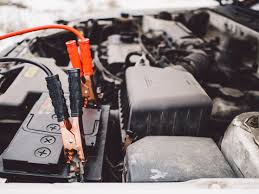
Identifying automotive electrical systems and components involves understanding the various electric circuits and devices in vehicles to diagnose issues or to install and maintain these systems. This skill set requires knowledge of the vehicle’s electrical layout, components such as batteries, alternators, starter motors, and the wiring harness that interconnects these parts.
Listen to this article as a podcast
Why do people in the automotive industry need to identify automotive electrical systems and components?
Professionals in the automotive industry must be able to identify and understand electrical systems and components to effectively maintain, repair, and upgrade vehicles. Proper identification is crucial to preventing electrical failures, ensuring vehicle safety, optimizing performance, and adhering to regulatory standards. Skilled personnel can thus improve customer satisfaction and business reliability.
“Expertise in identifying automotive electrical systems is essential for ensuring vehicle safety, performance, and compliance with industry standards.”
What are the key components or elements of automotive electrical systems in the workplace?
Key components include:
- Batteries: Providing power for starting the engine and supplying power to vehicle electronics.
- Alternators: Charging the battery and powering the electrical system while the engine is running.
- Starter Motors: Initiating the engine’s operation.
- Fuses and Relays: Protecting circuits from damage due to overload.
- Wiring Harnesses: Interconnecting all electrical components within the vehicle.
What key terms, with descriptions, relate to identifying automotive electrical systems and components in the workplace?

Registered Trademark®
- Voltage: The electrical potential difference that drives current through a circuit.
- Current: Flow of electric charge which powers electrical components.
- Circuit: The complete path that an electric current travels along.
- Ohm’s Law: Fundamental principle used to calculate voltage, current, and resistance in a circuit.
- Load: Any device or component that consumes electric power.
Who is typically engaged with operating or implementing identification of automotive electrical systems and components?
Automotive electricians, maintenance technicians, and vehicle inspectors are typically responsible for identifying and operating automotive electrical systems and components. These roles involve diagnosing issues, repairing faulty components, and upgrading systems to ensure safe and efficient vehicle operation.
How does identifying automotive electrical systems and components align or integrate with other components of the automotive industry in Australia?
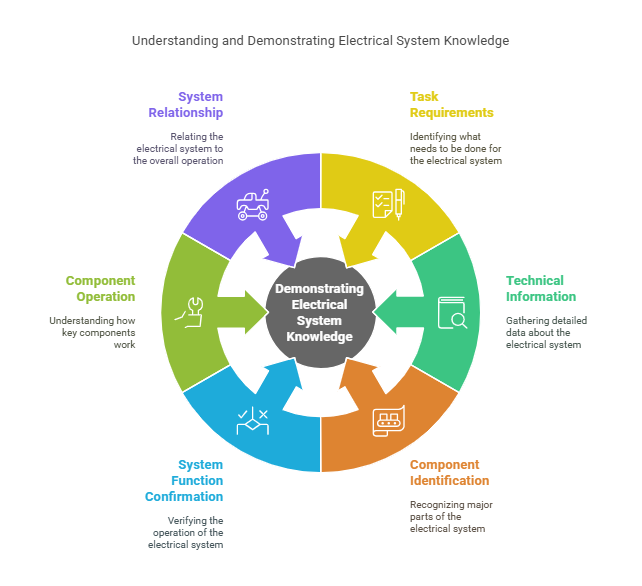
Identifying automotive electrical systems is fundamental for collaboration with other automotive functions, such as mechanical repairs, diagnostics, and upgrades. It supports overall vehicle inspection, quality control, and compliance with Australian safety and environmental standards, ensuring that all vehicle systems function harmoniously and efficiently.
Where can the student go to find out more information about identifying automotive electrical systems and components?
What job roles would be knowledgeable about identifying automotive electrical systems and components in the workplace?
Roles include:
- Automotive Electricians
- Automotive Technicians
- Vehicle Inspectors
- Auto Mechanics
- Service Advisors
What is identifying automotive electrical systems and components like in relation to sports, family, or schools?

In sports, identifying automotive electrical systems is comparable to a coach understanding each player’s role on the team to ensure peak performance. In a family, it’s akin to a parent ensuring each family member’s needs are met for harmonious living. In schools, it parallels a teacher recognizing students’ strengths and weaknesses to foster a conducive learning environment.
(The first edition of this post was generated by AI to provide affordable education and insights to a learner-hungry world. The author will edit, endorse, and update it with additional rich learning content.)
(Skillmaker – 2025)- About the Author
- More info

Workskill training for all

 Post Tagged with