
Understanding Automotive Electrical Systems and Components
Posted by SkillMaker in Mar, 2025
What is a concise description of identifying automotive electrical systems and components?
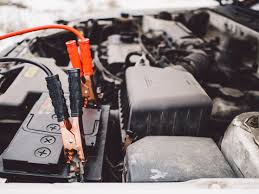
Identifying automotive electrical systems and components involves recognising and understanding the various electrical circuits and devices in a vehicle. This knowledge allows technicians to diagnose, repair, and maintain the electrical systems accurately, ensuring vehicle reliability and safety.
Listen to this article as a podcast
Why do people in the Automotive industry need to identify automotive electrical systems and components?
Professionals in the automotive industry need to identify these systems and components to ensure proper diagnosis and repair of vehicles. Electrical systems are crucial for numerous vehicle operations—from starting the engine to lighting and climate control—which directly affect driver safety and comfort. Quickly and accurately identifying issues in these systems can reduce repair times and costs.
“The ability to identify automotive electrical systems and components is essential for ensuring vehicle safety and performance.”
What are the key components or elements of automotive electrical systems?
Key components of automotive electrical systems include:
- Battery: Provides the electrical energy necessary for starting the vehicle and powering electrical components when the engine is off.
- Alternator: Charges the battery and powers the vehicle’s electrical system when the engine is running.
- Starter Motor: Helps initiate the engine’s operation by turning over the engine flywheel.
- Fuses and Relays: Protect electrical circuits from overload and ensure safe operation of electrical devices.
- Wiring and Connectors: Facilitate the distribution of current to various electrical components throughout the vehicle.
What key terms, with descriptions, relate to automotive electrical systems and components?

Registered Trademark®
- Voltage: The electrical potential difference that drives current through a circuit.
- Current (Amperage): The flow of electrical charge through a conductor.
- Resistance: The opposition to current flow within an electrical circuit.
- Circuit: A closed loop that allows electricity to flow from a power source through various components and return to the source.
- Load: Any component or device that consumes electrical power in a circuit, such as lights or motors.
Who is typically engaged with operating or implementing automotive electrical systems and components?
Automotive electricians, automotive technicians, and mechanics are typically engaged with operating and implementing automotive electrical systems. They are responsible for diagnosing, repairing, and maintaining these components to ensure vehicle safety and performance.
How does identifying automotive electrical systems and components align or integrate with other components of the Automotive industry in Australia?
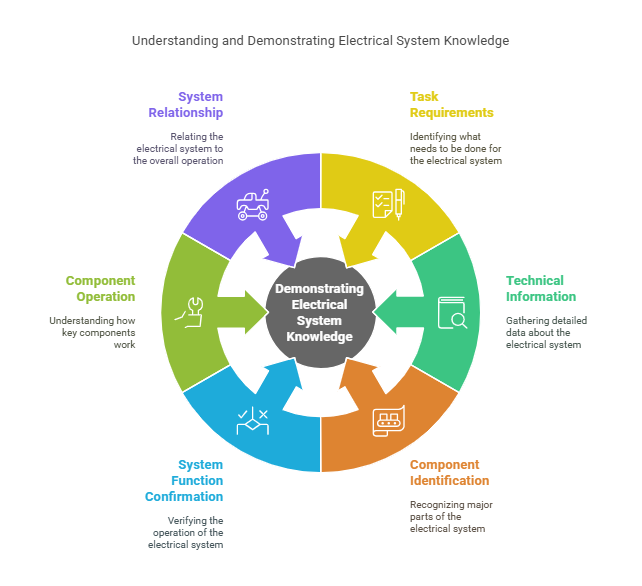
Identifying automotive electrical systems and components is crucial for the integration of advanced vehicle technologies, such as hybrid and electric vehicles, which rely heavily on sophisticated electrical systems. Proficiency in this area enables professionals to adapt to technological advancements and requirements in the automotive industry, contributing to innovation and sustainability efforts in Australia.
Where can the student go to find out more information about automotive electrical systems and components?
What job roles would be knowledgeable about automotive electrical systems and components?
Roles include:
- Automotive Electricians
- Automotive Technicians
- Mechanics
- Diagnostic Technicians
- Service Technicians
What is identifying automotive electrical systems and components like in relation to sports, family, or schools?

Relating to sports, identifying automotive electrical systems is akin to a coach analysing a game to understand player positions and strategies to win effectively. In a family context, it’s like knowing how household systems function to maintain daily comfort and operations. For schools, it’s similar to understanding the curriculum structure and resources necessary to facilitate learning, ensuring all components work together harmoniously.
(The first edition of this post was generated by AI to provide affordable education and insights to a learner-hungry world. The author will edit, endorse, and update it with additional rich learning content.)
(Skillmaker – 2025)- About the Author
- More info

Workskill training for all

 Post Tagged with