
Understanding the Core of Automotive Electrical Systems
Posted by SkillMaker in Mar, 2025
What is a concise description of automotive electrical systems and components?
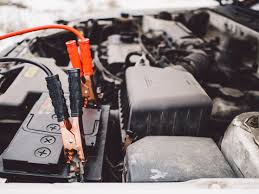
Automotive electrical systems encompass a vast array of components responsible for providing power and control within vehicles. These systems include the battery, alternator, starter motor, wiring, and electronic control modules (ECMs) that facilitate essential functions like lighting, ignition, and infotainment.
Listen to this article as a podcast
Why do people in the Automotive industry need to understand automotive electrical systems and components?
A comprehensive understanding of automotive electrical systems and components is essential for automotive professionals to diagnose, repair, and maintain modern vehicles efficiently. This knowledge is crucial for ensuring vehicle safety, reliability, and performance while keeping up with technological advancements and customer expectations.
“Knowledge of automotive electrical systems is the backbone of modern vehicular innovation and maintenance.”
What are the key components or elements of automotive electrical systems and components?
Key components include:
- Battery: Provides the initial power for starting the engine and supplies electrical energy when the engine is off.
- Alternator: Charges the battery and powers the electrical system when the engine is running.
- Starter Motor: Converts electrical energy from the battery into mechanical energy to start the engine.
- Wiring Harness: Connects electrical components throughout the vehicle, allowing for circuit completion.
- Electronic Control Modules (ECMs): Monitor and control various vehicle functions, including engine parameters and safety systems.
What key terms, with descriptions, relate to automotive electrical systems and components?

Registered Trademark®
- Voltage: The potential difference between two points in an electrical circuit.
- Current: The flow of electric charge in a circuit.
- Resistance: The opposition to the flow of electric current, measured in ohms.
- Fuse: A protective device that melts when current exceeds a specific level, preventing damage.
- Relay: An electrically operated switch used to control a high-power circuit with a low-power signal.
Who is typically engaged with operating or implementing automotive electrical systems and components?
Automotive electricians, service technicians, mechanical engineers, and automotive electrical engineers are typically responsible for working with automotive electrical systems. These professionals diagnose, maintain, and repair electrical components to ensure optimal vehicle performance.
How does the concept of automotive electrical systems and components align or integrate with other components of the Automotive industry in Australia?
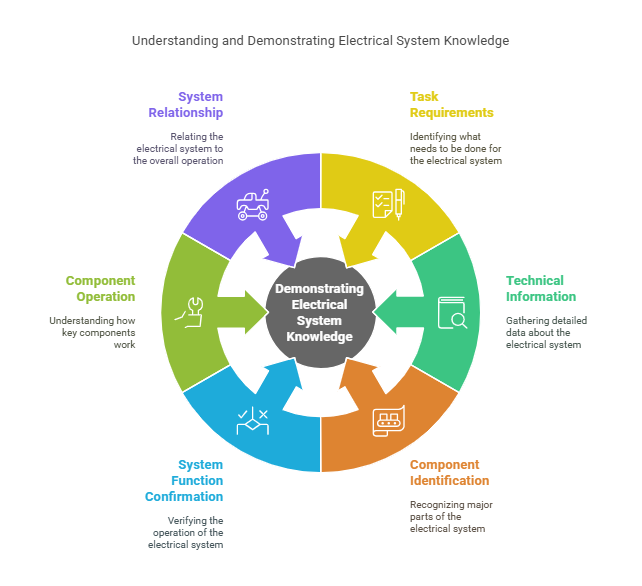
Automotive electrical systems are integral to numerous functions in modern vehicles, such as engine management, emission control, safety features, and infotainment systems. Understanding these systems is crucial for developing cutting-edge technologies and maintaining vehicles, ensuring seamless integration with mechanical and electronic components in the automotive industry.
Where can the student go to find out more information about automotive electrical systems and components?
What job roles would be knowledgeable about automotive electrical systems and components?
Roles include:
- Automotive Electricians
- Service Technicians
- Mechanical Engineers
- Automotive Electrical Engineers
- Maintenance Foremen
What is automotive electrical systems and components like in relation to sports, family, or schools?

In sports, automotive electrical systems and components are like the strategic plays and communication systems within a team, ensuring each part works harmoniously for success. In a family context, they’re the rules and dynamics that keep everything functioning smoothly. In schools, these systems are similar to the underlying infrastructure and organisation that support educational achievements efficiently.
(The first edition of this post was generated by AI to provide affordable education and insights to a learner-hungry world. The author will edit, endorse, and update it with additional rich learning content.)
(Skillmaker – 2025)- About the Author
- More info

Workskill training for all

 Post Tagged with