
Unlocking the Concept of Archiving in Digital Communications
Posted by Philomene Nzapa-Limbi in Mar, 2024
By Philomene Nzapa-Limbi
Archiving in Digital Communications
In the realm of digital communications, archiving plays a pivotal role in ensuring the efficient management, storage, and retrieval of important information. Let’s delve into the intricacies of archiving and its significance in modern workplace environments.What is Archiving in Relation to Digital Communications?
Archiving refers to the process of systematically storing and preserving digital communications, including emails, messages, documents, and other forms of electronic correspondence. It involves organizing and cataloguing information to facilitate easy access and retrieval when needed.Why Do Employees Need to Create Archiving?
 Employees need to create archiving systems to:
-
- Comply with Regulations: Many industries are subject to legal and regulatory requirements mandating the retention of certain communications for specific periods.
- Enhance Knowledge Management: Archiving facilitates knowledge sharing and preserves institutional memory by retaining valuable information and insights.
- Support Decision-Making: Archived communications serve as historical records that can inform future decisions and actions.
What Are the Different Types of Archiving in Relation to Digital Communications?

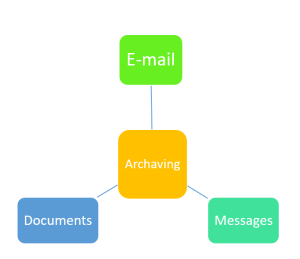
Archiving in digital communications can be classified into various types based on the nature and purpose of the archived content:
-
- Email Archiving: Capturing and storing emails for compliance, legal, or business purposes.
- Message Archiving: Archiving chat messages, instant messages, or text-based communications exchanged through various platforms.
- Document Archiving: Storing digital documents, files, and attachments in a structured manner for easy retrieval.
100 words audio summary of Archiving in Digital Communications
How is Archiving Stored in Digital Communications?
Archived communications are typically stored in secure, centralized repositories, often leveraging cloud-based storage solutions or dedicated archival systems. These repositories may feature search functionalities, metadata tagging, and encryption to ensure data integrity and accessibility.When Do Employees Identify the Need for Archiving and Who is Typically Involved?
Employees typically recognize the need for archiving when they encounter:-
- Legal or regulatory requirements necessitating the retention of specific communications.
-
- Operational inefficiencies stemming from the lack of organized information management.
-
- Concerns about data security, compliance, or risk mitigation.

What Are the Key Terms and Descriptions That Relate to Archiving in Digital Communications?
-
- Retention Policies: Guidelines dictating the duration and scope of archived content retention.
-
- Metadata: Descriptive information attached to archived items, facilitating categorization and searchability.
-
- Audit Trails: Records documenting actions taken within the archiving system, ensuring accountability and transparency.
How Does Archiving Align and Integrate With Other Components of Digital Communications?
Archiving intersects with various components of digital communications, including email clients, messaging platforms, document management systems, and regulatory compliance frameworks. Integration ensures seamless capture, storage, and retrieval of relevant communications.Where Can I Go to Find More Information About Archiving in Digital Communications?
-
- https://www.hsph.harvard.edu/communications-guide/digital/web-publishing/website-maintenance-policy/
-
- https://www.lib.ncsu.edu/news/special-collections/ethics-in-archives%3A-decisions-in-digital-archiving
-
- https://www.forgov.qld.gov.au/information-and-communication-technology/recordkeeping-and-information-management/recordkeeping/digital-archive/digital-archive-advice-for-record-managers
Identify People Who Would Benefit Most from Knowing About Archiving in Digital Communications.
-
- Legal and compliance professionals responsible for ensuring regulatory compliance.
-
- IT administrators tasked with implementing and maintaining archival systems.
-
- Knowledge managers seeking to preserve organizational knowledge and intellectual capital.
-
- Business leaders concerned with risk management and data governance.

 Post Tagged with
Great job Philomene, such an informative article!