
Understanding Major Components of Automotive Electrical Systems
Posted by SkillMaker in Mar, 2025
What is a concise description of the major components of automotive electrical systems?
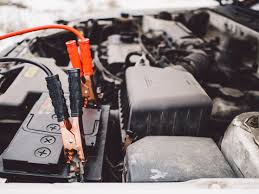
The major components of automotive electrical systems are crucial to a vehicle’s functionality, encompassing the power generation, storage, and distribution systems. These components include the battery, alternator, starter motor, ignition system, and wiring harness, each playing a pivotal role in ensuring smooth operation.
Listen to this article as a podcast
Why do people in the Automotive industry need to understand major automotive electrical components?
Understanding major automotive electrical components is vital for those in the automotive industry to diagnose, troubleshoot, and repair electrical issues efficiently. It ensures vehicles are maintained to high safety and performance standards, which builds customer trust and satisfaction. Knowledge of these systems allows automotive professionals to provide comprehensive services, including installation, maintenance, and upgrades.
“Mastering automotive electrical systems is the cornerstone of delivering reliable vehicle performance and superior client service.”
What are the key components or elements of automotive electrical systems?
Key components of automotive electrical systems include:
- Battery: Stores electrical energy to start the engine and power accessories when the engine is off.
- Alternator: Charges the battery and supplies power to the vehicle’s electrical systems when the engine is running.
- Starter Motor: An electric motor that cranks the engine to initiate operation.
- Ignition System: Generates the spark necessary to ignite the fuel-air mixture in the engine’s cylinders.
- Wiring Harness: A network of wires and connectors linking various electrical components throughout the vehicle.
What key terms, with descriptions, relate to major automotive electrical components?

Registered Trademark®
- Voltage Regulator: Ensures a consistent voltage level is maintained within the vehicle’s electrical system.
- Fuse: A safety device that protects electrical circuits by breaking the connection during a power surge.
- Circuit Breaker: Serves a similar purpose to a fuse, but can be reset instead of replaced.
- Relay: An electromechanical switch used to control high-power circuits with a low-power signal.
- Grounding: The return path for electrical current, critical for safety and system functionality.
Who is typically engaged with operating or implementing major automotive electrical components?
Automotive electricians, technicians, service and repair specialists, and mechanical engineers are typically engaged in operating or implementing major automotive electrical components. Their expertise is crucial in diagnosing issues, performing maintenance, and integrating new technologies.
How do major automotive electrical components align or integrate with other components of the Automotive industry in Australia?
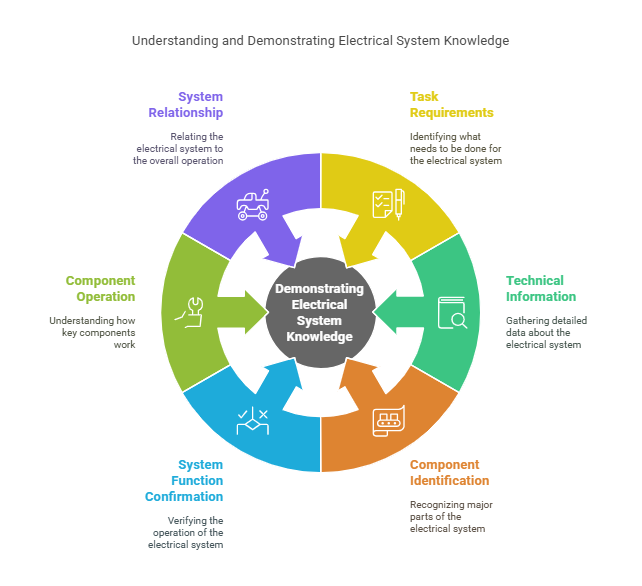
Major automotive electrical components align with other industry sectors by providing the electrical foundation necessary to power advanced technologies, including telematics, hybrid powertrains, and autonomous systems. The integration of these components ensures vehicles meet safety, performance, and regulation standards in Australia.
Where can the student go to find out more information about major automotive electrical components?
What job roles would be knowledgeable about major automotive electrical components?
Roles include:
- Automotive Electricians
- Vehicle Technicians
- Service Managers
- Auto Engineers
- Electrical Systems Specialists
What are major automotive electrical components like in relation to sports, family, or schools?

In sports, understanding major automotive electrical components is similar to recognising how team members must work together to succeed. The battery, alternator, and other parts work in harmony, much like athletes on a sports team. In family life, it’s akin to managing a household where everyone plays their part to keep things running smoothly. Within schools, it reflects coordinating various departments and functions to achieve a common educational goal.
(The first edition of this post was generated by AI to provide affordable education and insights to a learner-hungry world. The author will edit, endorse, and update it with additional rich learning content.)
(Skillmaker – 2025)- About the Author
- More info

Workskill training for all

 Post Tagged with