
Understanding and Prioritising Support Preferences in Individualised Support
Posted by SkillMaker in Jan, 2025
What is a concise description of support preferences when providing individualised support?

Support preferences in individualised support involve recognising and respecting the unique needs, strengths, and choices of individuals receiving care. It includes understanding what matters most to individuals when it comes to their care and tailoring assistance accordingly to enhance their quality of life and autonomy.
Why do people in enterprises need to understand support preferences when providing individualised support?
Understanding support preferences is crucial for people in enterprises because it helps deliver personalised care that respects the dignity and independence of individuals. By acknowledging and accommodating diverse needs, preferences, and lifestyles, professionals can ensure higher satisfaction, foster trust, and improve outcomes for those they care for. This approach reflects an organisation’s commitment to person-centred care and adherence to best practices in the health and community service sectors.
“Focusing on support preferences transforms care services, promoting dignity, respect, and personal empowerment for each individual.”
What are the key components or elements of support preferences in individualised support?
Key components of support preferences in individualised support include:
- Person-Centred Approach: Tailoring support around individual needs and circumstances.
- Communication: Engaging effectively with individuals to understand their preferences.
- Choice and Empowerment: Allowing individuals to make informed choices about their care.
- Continuity of Care: Providing consistent support that recognises evolving needs.
- Holistic Perspective: Considering all aspects of an individual’s life, including physical, emotional, and social factors.
What key terms, with descriptions, relate to support preferences in individualised support?

Registered Trademark®
- Individualised Care Plan (ICP): A tailored plan specifying the personalised support for each individual.
- Advocacy: Supporting individuals in expressing their preferences and rights.
- Cultural Competence: Understanding and respecting the cultural backgrounds and preferences of individuals.
- Informed Consent: Ensuring individuals fully understand and agree to their care plans.
- Client-Centred Focus: Prioritising the individual’s preferences in planning and delivering support.
Who is typically engaged with operating or implementing support preferences in individualised support?
Professionals such as support workers, case managers, care coordinators, and healthcare providers are typically engaged in operating or implementing support preferences in individualised support. These roles work collaboratively with the individual and their support network to ensure care is aligned with personal preferences and needs.
How do support preferences integrate with other components of Health or Community Services in Australia?
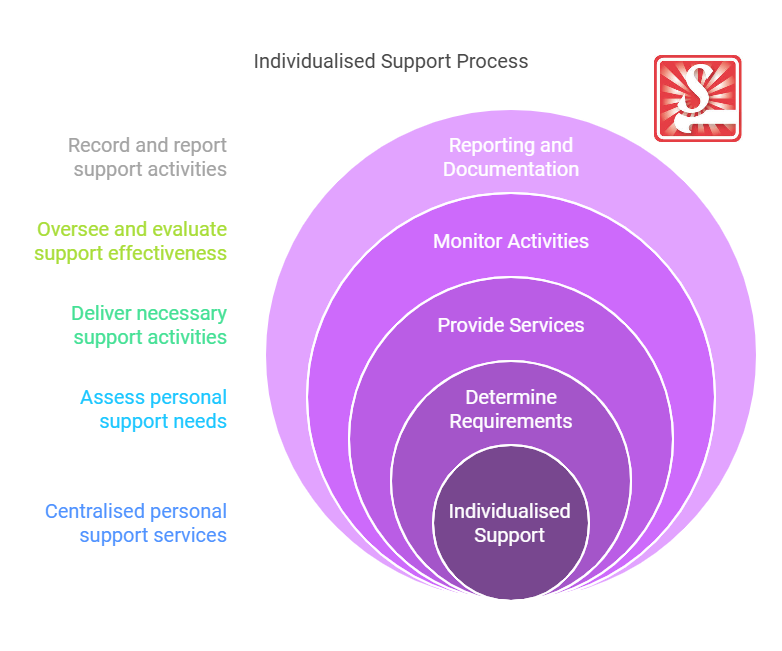
Support preferences integrate seamlessly with other components of Health or Community Services by enhancing interdisciplinary collaboration, personalised care planning, and continuous monitoring and adjustment of services to meet dynamic individual needs. This approach strengthens community health outcomes and promotes efficient service delivery.
Where can the student go to find out more information about support preferences in individualised support?
- National Disability Insurance Scheme (NDIS)
- My Aged Care
- Australian Government Department of Health
- Skillmaker
What job roles would be knowledgeable about support preferences in individualised support?
Roles include:
- Support Workers
- Care Coordinators
- Healthcare Providers
- Social Workers
- Case Managers
What are support preferences in relation to sports, family, or schools?

In the context of sports, understanding preferences is akin to tailor-fitting training regimens and goals to individual athletes’ strengths and ambitions. Within a family setting, it mirrors acknowledging each member’s needs and interests to ensure harmonious and effective household functioning. In schools, it reflects teaching approaches that adapt to varied learning styles and capacities, fostering an inclusive and nurturing educational environment.
(The first edition of this post was generated by AI to provide affordable education and insights to a learner-hungry world. The author will edit, endorse, and update it with additional rich learning content.)
- About the Author
- More info

Workskill training for all

 Post Tagged with