
Formal Networks in Building and Maintaining Business Relationships
Posted by SkillMaker in Oct, 2025
What is a concise description of formal networks in business relationships?

Formal networks in business relationships refer to structured, organized groups that professionals engage with to create, sustain, and strengthen business connections. These networks often exist in the form of business councils, chambers of commerce, industry associations, and professional groups. They serve as platforms for exchanging information, fostering partnerships, and building trust within and across industries.
Listen to this article as a podcast
Why do people in the Public sector industry need formal networks?
The Public sector industry requires formal networks to foster communication and collaboration among various governmental entities and stakeholders. Engaging in formal networks helps public sector professionals share best practices, coordinate efforts, enhance policy-making, and improve service delivery. These networks also facilitate advocacy and provide a collective voice for influencing policy at state and federal levels.
“Formal networks in business relationships are the backbone of strategic collaboration, enabling professionals to connect, grow, and succeed within their industries.”
What are the key components or elements of formal networks in business relationships?
Key components of formal networks include:
- Membership: Qualified professionals or organizations that comprise the network.
- Structure: Governance framework, often with a board, rules, and procedures.
- Communication Channels: Meetings, newsletters, forums, and events for interaction.
- Shared Goals: Common objectives or interests driving the network’s activities.
- Resources: Information, expertise, and support available to network members.
What key terms, with descriptions, relate to formal networks in business relationships?

Registered Trademark“®”
- Chambers of Commerce: Local networks that promote and support businesses.
- Industry Associations: Organizations focused on specific industry collaboration and representation.
- Networking Events: Gatherings for professionals to connect and exchange information.
- Professional Societies: Groups that represent the interests of specific professions.
- Advocacy Groups: Organizations that aim to influence public policy and opinions.
Who is typically engaged with operating or implementing formal networks in business relationships?
Roles such as network coordinators, association executives, relationship managers, and public relations officers are typically involved in the operation and implementation of formal networks. Their responsibilities include organizing events, facilitating communication, managing memberships, and executing strategic initiatives to achieve the network’s goals.
How do formal networks align or integrate with other components of the Public sector industry in Australia?
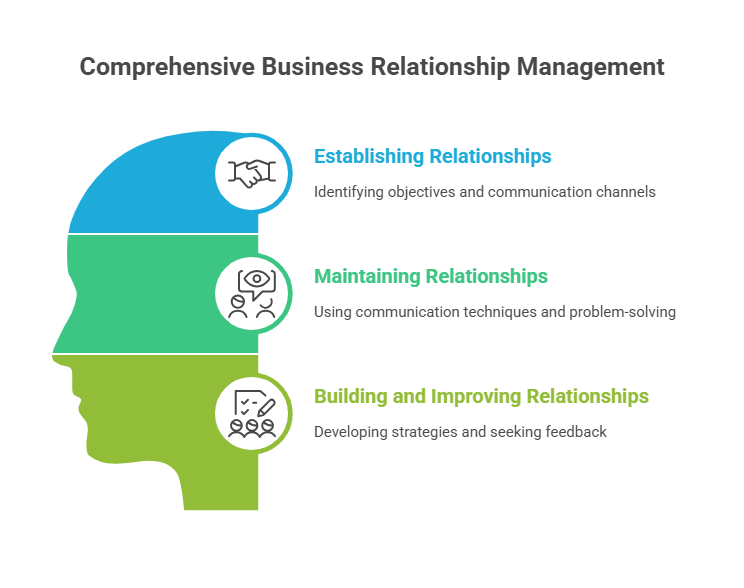
Formal networks integrate with the Public sector by facilitating cross-agency collaboration, policy development, and community engagement. These networks support the exchange of information and services between government bodies, non-profit organizations, and the private sector, enhancing public service delivery and policy advocacy efforts across Australia.
Where can the student go to find out more information about formal networks in business relationships?
What job roles would be knowledgeable about formal networks in business relationships?
Roles include:
- Network Coordinators
- Association Executives
- Relationship Managers
- Public Relations Officers
- Policy Advisors
What are formal networks in business relationships like in relation to sports, family, or schools?

In sports, formal networks are similar to organized leagues or clubs where athletes connect, compete, and grow their skills together. In a family context, they resemble family gatherings where bonds are nurtured, support is offered, and traditions are upheld. When considering schools, they reflect alumni networks or parent-teacher associations where relationships are built to foster a supportive educational environment.
(The first edition of this post was generated by AI to provide affordable education and insights to a learner-hungry world. The author will edit, endorse, and update it with additional rich learning content.)
(Skillmaker – 2025)- About the Author
- More info

Workskill training for all

 Post Tagged with