
Evaluating Participant Progress in Strength and Conditioning
Posted by Jonny BBAD Nelson in Dec, 2024

What is a concise description of evaluating participant progress in strength and conditioning?
Evaluating participant progress in strength and conditioning involves systematically assessing individuals’ development and performance over time to ensure that training techniques are effective, safe, and aligned with personal goals. This evaluation helps tailor programs to meet the specific needs and capabilities of each participant.
Why do people in enterprises need to evaluate participant progress in strength and conditioning?
Enterprises, such as gyms, sports teams, and fitness programs, need to evaluate participant progress to ensure that their clients or athletes are advancing towards their goals efficiently and safely. Continuous evaluation helps in identifying areas that require improvement, optimizing training regimens, ensuring participant motivation, and ultimately driving the success of both the participants and the enterprise.
“Evaluating participant progress ensures effective training, keeps athletes motivated, and fosters continuous improvement.”
What are the key components or elements of evaluating participant progress in strength and conditioning?
Key components include:
- Setting Goals: Defining clear, measurable objectives to guide training.
- Using Assessment Tools: Measuring fitness variables like strength, endurance, and flexibility.
- Tracking Data: Maintaining detailed records of performance metrics.
- Reviewing and Adjusting: Regularly updating training programs based on progress evaluations.
- Providing Feedback: Communicating results to participants to maintain motivation.

Registered Trademark ®
What key terms, with descriptions, relate to evaluating participant progress in strength and conditioning?
- Baseline Assessment: Initial evaluation of a participant’s current capabilities, serving as a starting point for measuring progress.
- Progress Tracking: Monitoring and recording changes in participant abilities over time.
- Performance Metrics: Quantitative measures such as weight lifted, distance run, or time taken to complete a task that indicates improvement.
- Feedback: Information provided to participants about their progress to encourage motivation and goal alignment.
- Program Adjustment: Modifying training plans based on progress evaluations to enhance effectiveness and safety.
Who is typically engaged with operating or implementing evaluations of participant progress in strength and conditioning?
Fitness instructors, personal trainers, strength and conditioning coaches, and sports scientists are typically responsible for conducting evaluations. These professionals analyze progress and adjust training programs to ensure participants are advancing effectively and safely.
How does evaluating participant progress align or integrate with other components of strength and conditioning techniques for Sport Coaching and fitness?
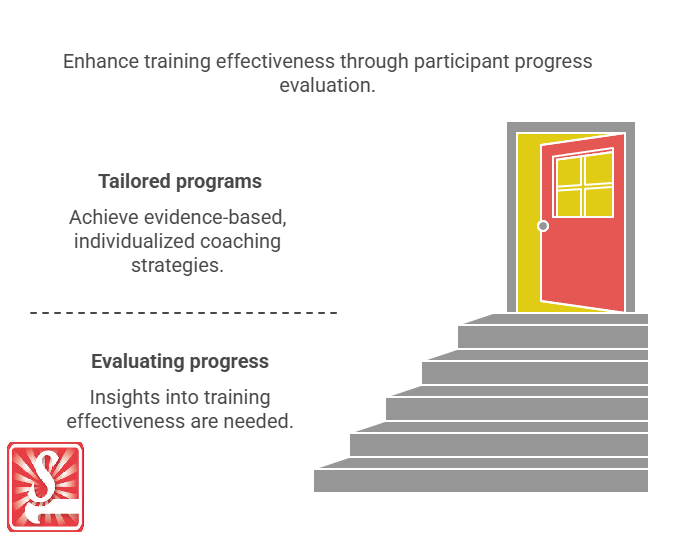
Evaluating participant progress is integral to refining strength and conditioning techniques, as it provides insights into the effectiveness of training plans. By understanding participant responses to different exercises and routines, coaches can make informed decisions that enhance performance and minimize the risk of injury. This process ensures that programs are evidence-based and tailored to individual needs, integrating seamlessly with overall coaching strategies.
Where can the student go to find out more information about evaluating participant progress in strength and conditioning?
Scope of Practice Document
Adult Pre-Exercise Screening System
Australian Sports Commission
What job roles would be knowledgeable about evaluating participant progress in strength and conditioning?
Roles include:
- Strength and Conditioning Coaches
- Personal Trainers
- Sports Coaches
- Athletic Trainers
- Exercise Physiologists

What is evaluating participant progress in relation to sports, family or schools?
- Sports: Ensures athletes are on track to reach performance goals and maintain peak fitness levels.
- Family: Evaluation aids in creating personalized programs that promote wellness for all ages.
- Schools: Assesses student progress in physical education classes, fostering lifelong health habits and meeting fitness standards.
Evaluating participant progress ensures training is safe, effective, and tailored to individual needs, fostering success in diverse settings.
(The first edition of this article was generated by AI to provide valuable insights on evaluating participant progress in strength and conditioning. It will be reviewed and refined by experts for clarity and accuracy.)
- About the Author
- More info

Jonny “B Bad” is a powerlifting specialist, strength and conditioning coach, and co-owner of Fortitude Barbell in Brisbane. With over 15 years in the industry, he has trained athletes of all levels, focusing on strength, community, and continual learning. A competitor in some of Australia’s top powerlifting events, he balances training, coaching, and family life while co-hosting The Platform Podcast. His philosophy is simple: train hard, have fun, and enjoy the process. Whether lifting big, improving fitness, or gaining confidence, Jonny’s passion is helping people get stronger—both physically and mentally—while fostering a supportive and engaging training environment.

 Post Tagged with