
Effective Storage Practices in Hospitality and Catering
Posted by SkillMaker in Jan, 2025
What is a concise description of appropriate storage conditions when receiving, storing, and maintaining stock?
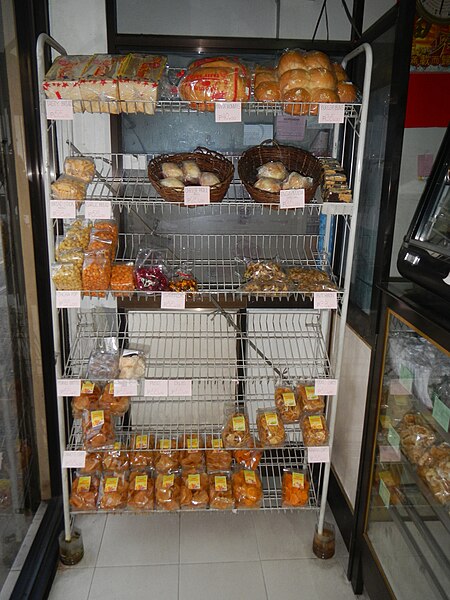
Appropriate storage conditions refer to maintaining optimal temperature, humidity, and hygiene practices to preserve the quality and safety of stock. This involves organized shelving, rotation practices, and monitoring techniques to prevent spoilage and maximise shelf life in hospitality and catering environments.
Why do people in enterprises need appropriate storage conditions when receiving, storing, and maintaining stock?
Enterprises need to implement appropriate storage conditions to ensure products remain safe for consumption and maintain their quality. Proper storage minimizes waste, reduces costs, and complies with food safety regulations, thereby enhancing customer satisfaction and maintaining the business’s reputation.
“Appropriate storage conditions are the backbone of maintaining quality, preventing spoilage, and ensuring safe consumption in the hospitality and catering sectors.”
What are the key components or elements of appropriate storage conditions when receiving, storing, and maintaining stock?
Key components of appropriate storage conditions include:
- Temperature Control: Ensuring proper temperatures for specific goods.
- Humidity Regulation: Maintaining suitable moisture levels to prevent damage.
- Hygiene Practices: Regular cleaning and sanitizing of storage areas.
- Stock Rotation: Using First-In, First-Out (FIFO) methods for efficient turnover.
- Inventory Monitoring: Regular checks to maintain stock levels and quality.
What key terms, with descriptions, relate to appropriate storage conditions when receiving, storing, and maintaining stock?

Registered Trademark®
- FIFO (First-In, First-Out): An inventory management practice ensuring the oldest stock is used first.
- Cold Chain: A temperature-controlled supply chain essential for perishable goods.
- Dry Storage: Storing non-perishable goods at room temperature levels.
- Perishable: Items that can spoil or decay if not stored appropriately.
- Non-perishable: Items with a long shelf life that do not require refrigeration.
Who is typically engaged with operating or implementing appropriate storage conditions when receiving, storing, and maintaining stock?
Store managers, kitchen staff, supply chain specialists, and inventory officers typically handle the implementation and monitoring of appropriate storage conditions within hospitality and catering settings, ensuring compliance with health standards and operational efficiency.
How do appropriate storage conditions align or integrate with other components of Hospitality and Catering?
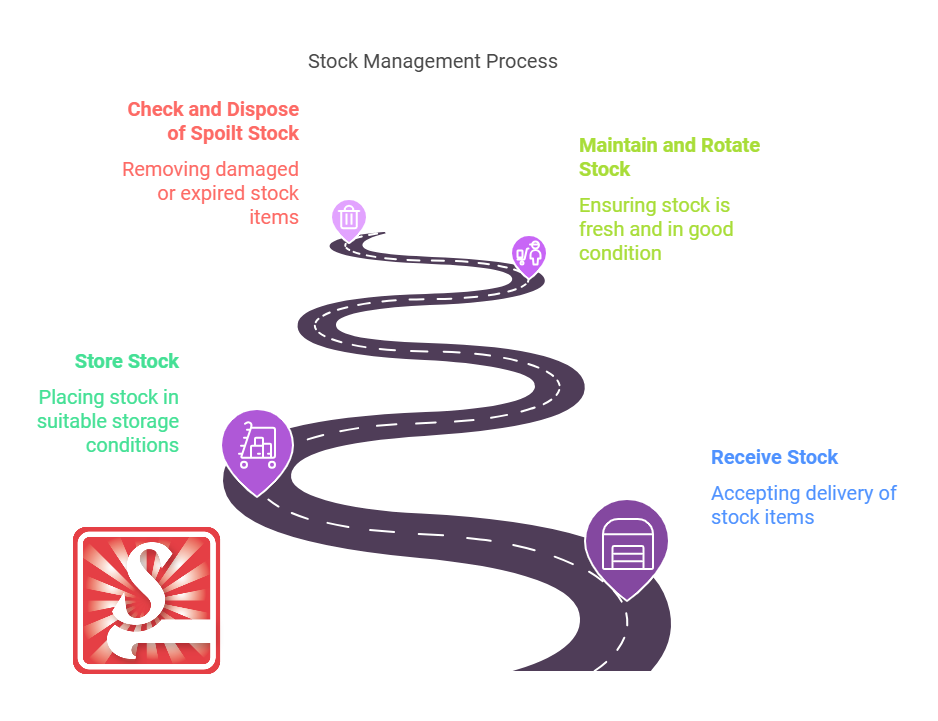
Appropriate storage conditions complement food preparation and safety strategies by ensuring all ingredients used are fresh and safe. They integrate with inventory management systems to streamline stock levels, eliminate waste, and optimise costs. Proper storage practices also align with sustainability efforts, contributing to reduced spoilage and prudent resource management.
Where can the student go to find out more information about appropriate storage conditions?
What job roles would be knowledgeable about appropriate storage conditions?
Roles include:
- Stock Controllers
- Warehouse Managers
- Kitchen Supervisors
- Chefs and Cooks
- Compliance Managers
What are appropriate storage conditions like in relation to sports, family, or schools?

Appropriate storage conditions are like a sports team ensuring its equipment is well maintained and ready for use. In a family context, it resembles organising a pantry or fridge at home to keep food fresh and readily accessible. In schools, it aligns with managing supplies and resources efficiently to ensure educational materials are preserved and available when needed.
(The first edition of this post was generated by AI to provide affordable education and insights to a learner-hungry world. The author will edit, endorse, and update it with additional rich learning content.)
- About the Author
- More info

Workskill training for all

 Post Tagged with