
Appropriate Storage Area: Essential for Stock Management in Hospitality
Posted by SkillMaker in Jan, 2025
What is a concise description of ensuring the appropriate storage area for stock?
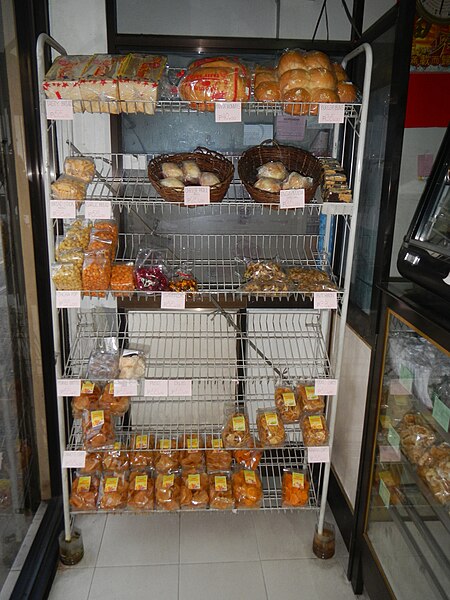
Ensuring the appropriate storage area for stock involves selecting and managing facilities that maintain the integrity, quality, and safety of materials within the hospitality and catering industries. This includes proper environmental control, organization, and security, tailored to the specific requirements of different types of stock, such as perishables or non-perishables.
Why do people in enterprises need appropriate storage areas for stock?
Enterprises need appropriate storage areas for stock to safeguard their inventory from spoilage, contamination, or theft. Proper storage extends the shelf life of products, minimizes waste, ensures regulatory compliance, and maintains consistent quality for customer satisfaction. This ultimately contributes to operational efficiency and cost savings while upholding the reputation of the business.
“The right storage area is essential for stock preservation, ensuring quality, and enhancing operational effectiveness in hospitality.”
What are the key components or elements of selecting the appropriate storage area for stock?
Key components in selecting the appropriate storage area for stock include:
- Temperature Control: Proper settings for cold and dry storage.
- Humidity Levels: Ideal conditions to prevent spoilage.
- Stock Organization: Efficient shelving and labeling for easy access and inventory management.
- Security Measures: Protection against theft or damage.
- Compliance Standards: Adhering to health and safety regulations.
What key terms, with descriptions, relate to appropriate storage areas for stock?

Registered Trademark®
- FIFO (First In, First Out): A method to ensure older stock is used before newer additions.
- Stock Rotation: Regularly rearranging stock to maintain freshness.
- Inventory Management: Tracking stock levels and flow.
- Perishable Goods: Items that require refrigeration or freezing.
- Non-perishable Goods: Items that are shelf-stable and do not spoil quickly.
Who is typically engaged with managing and monitoring appropriate storage areas for stock?
Typically, store managers, purchasing officers, and kitchen staff are responsible for managing and monitoring appropriate storage areas for stock. These roles ensure that storage conditions meet industry standards and that stock is regularly checked for quality and safety compliance.
How does ensuring appropriate storage areas align or integrate with other components of Hospitality and Catering?
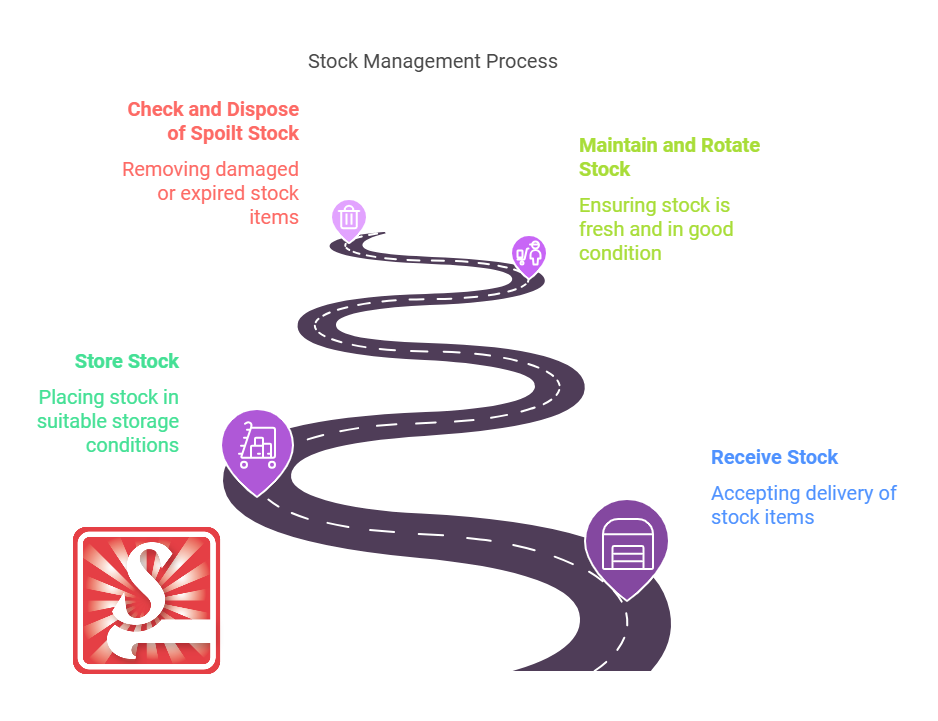
Ensuring appropriate storage areas aligns with food safety protocols and efficient kitchen management in Hospitality and Catering. It supports timely inventory turnover, accurate order management, and mitigates health risks by maintaining high standards of hygiene and safety throughout the supply chain and preparation process.
Where can the student go to find out more information about appropriate storage areas for stock?
- Food Standards Australia and New Zealand
- Australian Government Department of Health
- Safe Food Production QLD
What job roles would be knowledgeable about appropriate storage areas for stock?
Roles include:
- Store Managers
- Head Chefs
- Kitchen Hands
- Inventory Officers
- Purchasing Officers
What is ensuring appropriate storage for stock like in relation to sports, family, or schools?

In relation to sports, ensuring appropriate storage areas is like a team managing their equipment and nutritional supplies with precision to maintain peak performance. In a family context, it resembles organising a pantry effectively to ensure meals are prepared with fresh ingredients. For schools, it’s akin to maintaining a library where books are systematically arranged for easy access and preservation.
(The first edition of this post was generated by AI to provide affordable education and insights to a learner-hungry world. The author will edit, endorse, and update it with additional rich learning content.)
- About the Author
- More info

Workskill training for all

 Post Tagged with