
Decoding the Core Components of Automotive Electrical Systems
Posted by SkillMaker in Mar, 2025
What is a concise description of identifying automotive electrical systems and components?
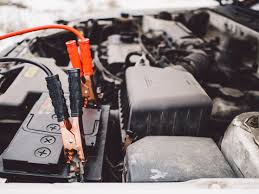
Identifying automotive electrical systems and components involves understanding and recognising the various elements that form a vehicle’s electrical architecture. This includes the battery, alternator, starter motor, ignition system, wiring harness, lighting, and electronic modules, each playing a vital role in ensuring the vehicle’s electrical functions operate smoothly and reliably.
Listen to this article as a podcast
Why do people in the Automotive industry need to understand automotive electrical systems and components?
Professionals in the automotive industry need this knowledge to perform maintenance, diagnose faults, and implement repairs effectively. Electrical systems are integral to modern vehicles, influencing engine management, safety systems, climate control, and infotainment, making proficiency in these systems essential for technicians and engineers.
“Understanding automotive electrical systems is crucial for ensuring vehicle safety, reliability, and performance.”
What are the key components or elements of automotive electrical systems?
Key components include:
- Battery: Supplies electrical energy for the vehicle’s operation.
- Alternator: Charges the battery and powers the electrical system when the engine is running.
- Starter Motor: Initiates engine cranking to start the vehicle.
- Ignition System: Ignites the air-fuel mixture in the engine’s cylinders.
- Wiring Harness: Connects various electrical components, providing power and data paths.
- Lighting Systems: Includes headlights, tail lights, indicators, and interior lights.
- Electronic Control Modules (ECMs): Manage various vehicle functions such as engine, transmission, and safety systems.
What key terms, with descriptions, relate to automotive electrical systems and components?

Registered Trademark®
- CAN Bus: Controller Area Network Bus, a robust vehicle bus standard designed to allow various components to communicate with each other without a host computer.
- Multimeter: A device used to measure voltage, current, and resistance in a circuit.
- Fusible Link: A wire designed to melt and break the circuit if an overload occurs, preventing damage.
- LED Lighting: Light-emitting diode technology used for more efficient vehicle lighting.
- Relay: An electrically operated switch used in various vehicle applications, including to protect circuits from overload.
Who is typically engaged with operating or implementing automotive electrical systems and components?
Motor mechanics, automotive electricians, and electronic system technicians are typically engaged with operating these systems. They are responsible for installing, diagnosing, and repairing electrical components to ensure optimal vehicle performance.
How does understanding automotive electrical systems integrate with other components of the Automotive industry in Australia?
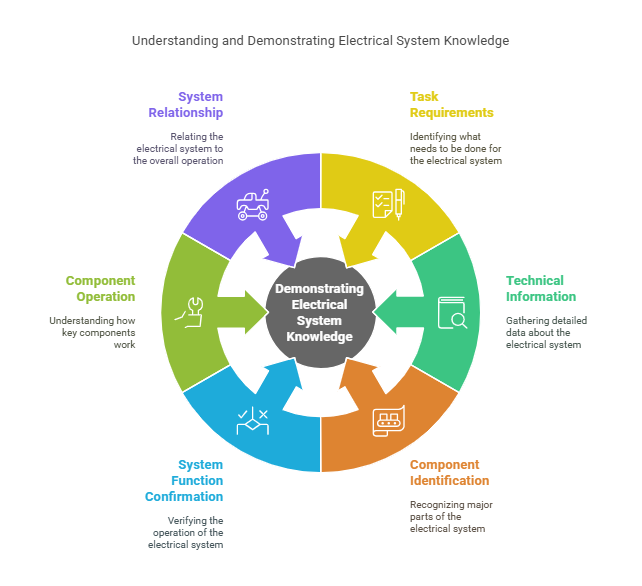
This knowledge integrates with other automotive components by ensuring both individual part functionality and overall vehicle safety. Understanding these systems is central to diagnostics, teamwork across different specialisations, and compliance with Australian automotive standards, which fosters better vehicle innovation and service provisions.
Where can the student go to find out more information about automotive electrical systems and components?
What job roles would be knowledgeable about automotive electrical systems and components?
Roles include:
- Automotive Electricians
- Maintenance Technicians
- Diagnostics Technicians
- Service Managers
- Workshop Supervisors
What is understanding automotive electrical systems like in relation to sports, family, or schools?

In sports, understanding these systems is akin to learning each player’s role to ensure team success. For families, it mirrors maintaining a household by ensuring all utilities are functional and efficient. In schools, it parallels setting learning outcomes in technical subjects to ensure comprehensive education and practical understanding.
(The first edition of this post was generated by AI to provide affordable education and insights to a learner-hungry world. The author will edit, endorse, and update it with additional rich learning content.)
(Skillmaker – 2025)- About the Author
- More info

Workskill training for all

 Post Tagged with