
Understanding and Identifying Automotive Mechanical Systems and Components
Posted by SkillMaker in Mar, 2025
What is a concise description of identifying automotive mechanical systems and components?
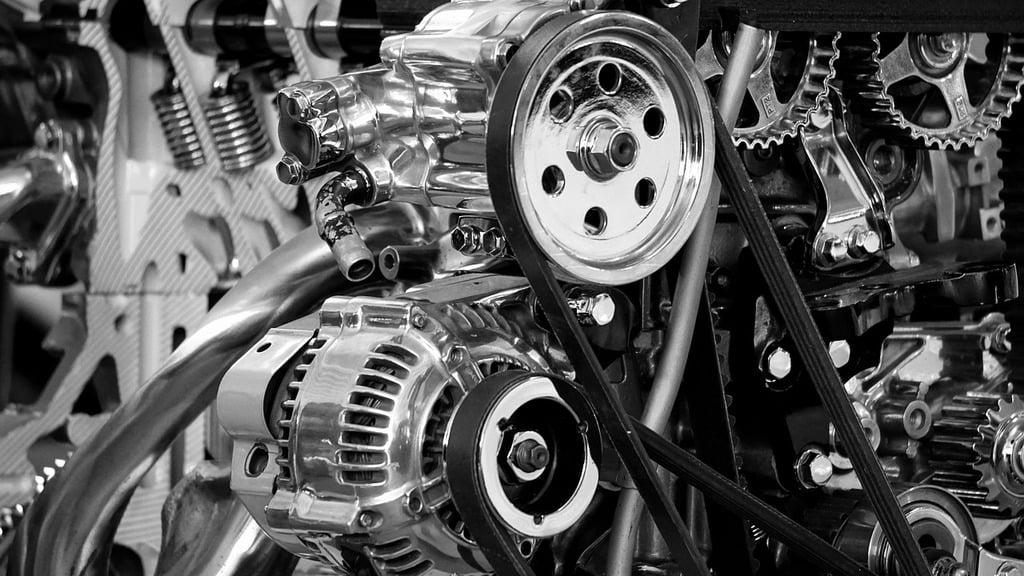
Identifying automotive mechanical systems and components involves understanding and recognising the various parts and systems that make up a vehicle. This includes knowledge of the engine, transmission, suspension, braking, steering systems, and more, as well as how they interact to ensure a vehicle operates smoothly and safely.
Listen to this article as a podcast
Why do people in the Automotive industry need to identify mechanical systems and components?
Professionals in the Automotive industry need to identify mechanical systems and components to ensure proper maintenance, repair, and diagnostic processes. This knowledge helps in troubleshooting issues, improving vehicle performance, ensuring safety, and providing customer satisfaction, thus sustaining the reliability and integrity of the automotive service they offer.
“Mastering the identification of automotive components is key to unlocking vehicle performance, enhancing reliability, and ensuring road safety.”
What are the key components or elements of automotive mechanical systems?
Key components of automotive mechanical systems include:
- Engine: The powerhouse of the vehicle, converting fuel into mechanical energy.
- Transmission System: Transfers power from the engine to the wheels.
- Suspension System: Maintains ride comfort and handling by supporting the vehicle’s weight.
- Braking System: Allows the vehicle to slow down or stop safely.
- Steering System: Enables the driver to control the direction of the vehicle.
What key terms, with descriptions, relate to automotive mechanical systems and components?

Registered Trademark®
- Internal Combustion Engine (ICE): An engine in which combustion of fuel occurs with an oxidiser in a combustion chamber.
- Drivetrain: The group of components that deliver power to the driving wheels.
- Chassis: The vehicle’s frame, supporting all mechanical systems and components.
- Axle: A central shaft for rotating wheels or gears.
- Differential: A mechanical device that splits engine torque and allows wheels to rotate at different speeds.
Who is typically engaged with operating or implementing knowledge of automotive mechanical systems and components?
Automotive technicians, mechanics, engineers, workshop managers, and service advisors are typically engaged with operating and implementing knowledge of automotive mechanical systems and components. These professionals are essential in diagnosing, servicing, repairing, and enhancing vehicle performance.
How does identifying automotive mechanical systems and components align or integrate with other components of the Automotive industry in Australia?
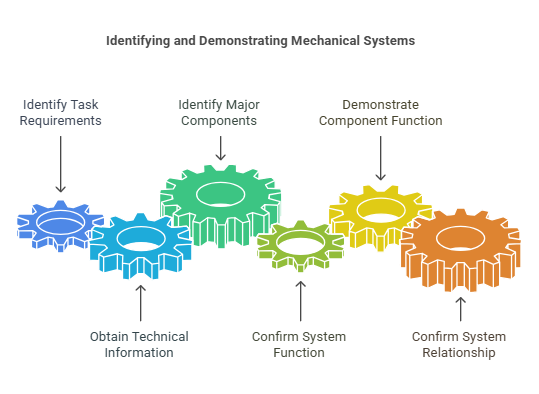
Identifying automotive mechanical systems and components is crucial for the smooth operation within the automotive industry. This understanding allows for effective communication between different sectors, from vehicle assembly and manufacturing to after-sales service and customer support, ensuring vehicles meet performance standards and regulatory compliance, ultimately bolstering the industry’s integrity and innovation.
Where can the student go to find out more information about identifying automotive mechanical systems and components?
What job roles would be knowledgeable about identifying automotive mechanical systems and components?
Roles include:
- Automotive Technicians
- Mechanical Engineers
- Service Advisors
- Workshop Managers
- Vehicle Inspectors
What is identifying automotive mechanical systems and components like in relation to sports, family, or schools?

Relating to sports, identifying automotive mechanical systems is similar to understanding each player’s role, enhancing their teamwork for peak performance. In a family, it mirrors coordinating household responsibilities to ensure harmony and efficiency. For schools, it represents setting educational standards and curricula to develop coherent learning for students, ensuring each part contributes to achieving educational outcomes.
(The first edition of this post was generated by AI to provide affordable education and insights to a learner-hungry world. The author will edit, endorse, and update it with additional rich learning content.)
(Skillmaker – 2025)- About the Author
- More info

Workskill training for all

 Post Tagged with