
Understanding Various Emergency Incidents in Australian Sport and Recreation Environments
Posted by SkillMaker in Dec, 2024
What is a concise description of different emergency incidents in Australian Sport and Recreation?
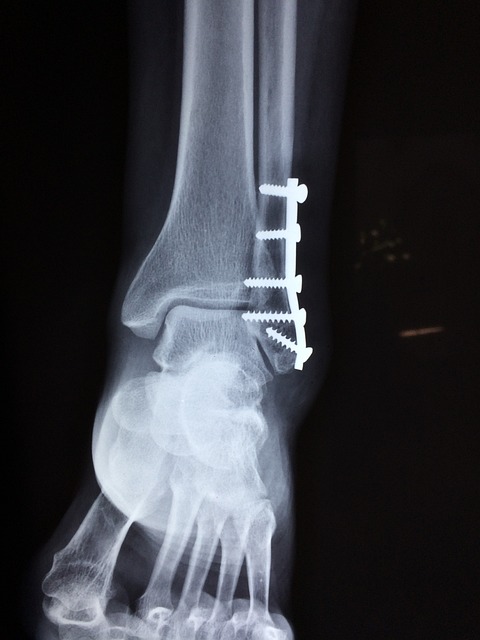
Different emergency incidents in the Australian Sport and Recreation context encompass a range of situations requiring immediate response to ensure safety and mitigate risks. These include medical emergencies like cardiac arrest, injuries from sports activities, and environmental incidents such as bushfires and extreme weather conditions, all necessitating quick, coordinated action.
Why do people in enterprises need to understand different emergency incidents in Australian Sport and Recreation?
Understanding different emergency incidents is crucial for enterprises in Australian Sport and Recreation to ensure alertness and readiness to protect participants, staff, and visitors. Awareness of potential emergencies enables effective planning, reduces response times, and enhances the capability to implement safety procedures, thereby minimizing harm and ensuring seamless operations during crises.
“Awareness and preparation for various emergency incidents in sport and recreation ensure swift action, enhancing safety and minimizing risks during crises.”
What are the key components or elements of different emergency incidents in Australian Sport and Recreation?
Key components or elements related to emergency incidents in this context include:
- Risk Assessment: Identifying potential hazards and evaluating their potential impact.
- Emergency Action Plans (EAPs): Detailed procedures to respond to specific emergencies.
- Communication Protocols: Ensuring effective contact with emergency services and stakeholders.
- Training and Drills: Equipping staff with knowledge and practice for efficient emergency response.
- Resource Availability: Ensuring access to necessary equipment and supplies for managing incidents.
What key terms, with descriptions, relate to different emergency incidents in Australian Sport and Recreation?

Registered Trademark®
- First Aid: Immediate care procedures for injuries or illnesses until professional medical help arrives.
- Incident Commander: The designated leader responsible for managing the response to an emergency.
- Medical Emergency: A serious or critical situation requiring immediate medical intervention.
- Evacuation Plan: Strategies and procedures for the safe removal of individuals from a hazardous area.
- Hazard Identification: The process of recognising potential sources of harm or adverse health effects.
Who is typically engaged with operating or implementing responses to different emergency incidents in Australian Sport and Recreation?
Personnel such as safety officers, event coordinators, athletic trainers, and venue managers are typically engaged in implementing responses to emergencies. They work closely with local emergency services to ensure preparedness and effective management of incidents, safeguarding everyone involved.
How do responses to different emergency incidents in Australian Sport and Recreation align or integrate with other components of Sport and Recreation?
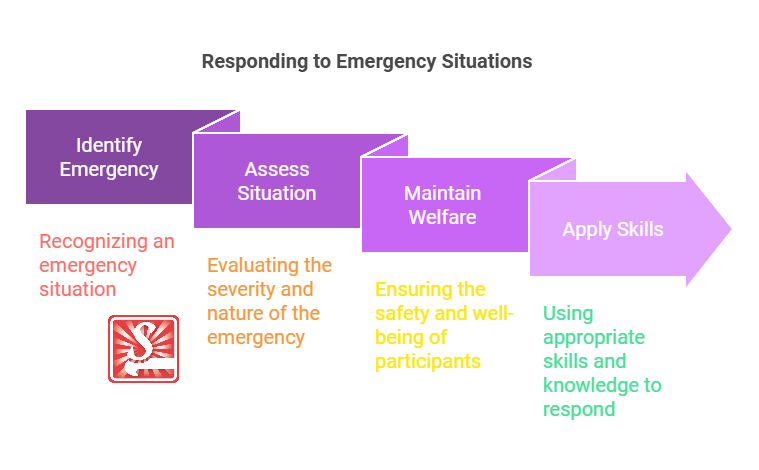
Responses to different emergency incidents align with broader elements of Sport and Recreation by integrating risk management strategies, fostering safety cultures, and enhancing operational protocols. These responses support the uninterrupted delivery of sport and recreation activities, ensuring participant confidence and organizational credibility.
Where can the student go to find out more information about responding to different emergency incidents in Australian Sport and Recreation?
- Australian Government Department of Health: Sport
- Safe Work Australia: Sport and Recreation
- Australian Red Cross
What job roles would be knowledgeable about responding to different emergency incidents in Australian Sport and Recreation?
Roles include:
- Safety Officers
- Event Coordinators
- Athletic Trainers
- Venue Managers
- Emergency Responders
What are different emergency incidents in Australian Sport and Recreation like in relation to sports, family, or schools?

Different emergency incidents in sports require agility like athletes adapting strategies mid-game. In families, they mirror a household’s preparedness and cooperation during an unexpected situation. For schools, responding to emergencies parallels maintaining order and systematically addressing unexpected challenges to ensure a safe learning environment.
(The first edition of this post was generated by AI to provide affordable education and insights to a learner-hungry world. The author will edit, endorse, and update it with additional rich learning content.)
- About the Author
- More info

Workskill training for all

 Post Tagged with