
Understanding Automotive Mechanical Systems and Components
Posted by SkillMaker in Mar, 2025
What is a concise description of automotive mechanical systems and components?
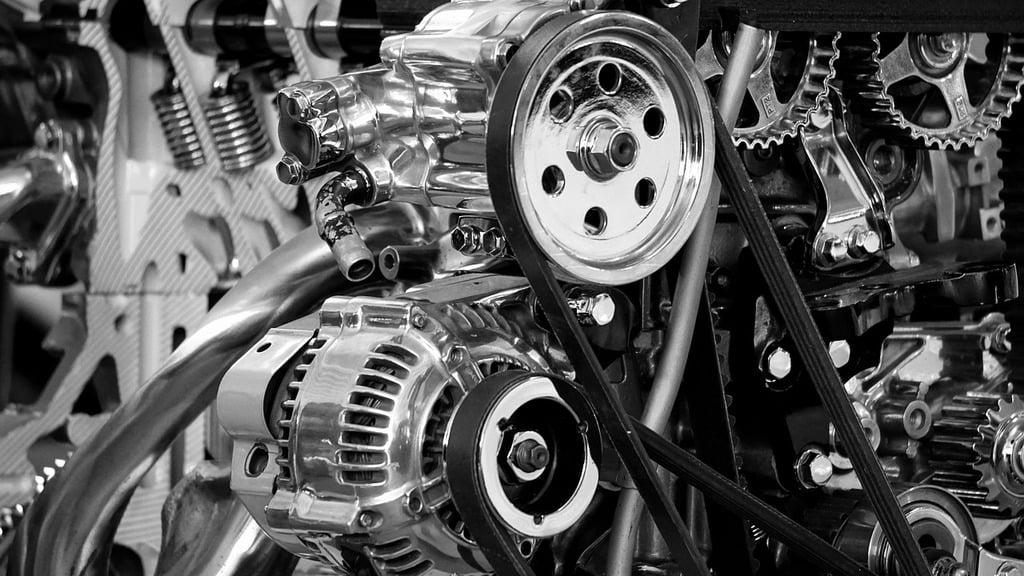
Automotive mechanical systems and components encompass a variety of parts and systems crucial for the operation of vehicles. These include engines, transmissions, brake systems, exhaust systems, and suspensions, directly responsible for converting energy into motion, ensuring the vehicle’s driveability, and maintaining road safety.
Listen to this article as a podcast
Why do people in the Automotive industry need to understand mechanical systems and components?
Professionals in the Automotive industry must understand mechanical systems and components to troubleshoot vehicle issues, maintain and repair cars, and ensure optimal performance and safety. This knowledge is necessary for developing innovative automotive technologies and improves efficiency in vehicle production and maintenance services.
“A deep understanding of mechanical systems and components is essential for proficient automotive maintenance and the advancement of vehicle technologies.”
What are the key components or elements of automotive mechanical systems?
The key components of automotive mechanical systems include:
- Engine: The heart of the vehicle that converts fuel into mechanical energy.
- Transmission: Transfers power from the engine to the wheels.
- Braking System: Slows down or stops the vehicle.
- Suspension: Improves ride quality and handling.
- Exhaust System: Expels gases and reduces emissions.
What key terms, with descriptions, relate to automotive mechanical systems?

Registered Trademark®
- Torque: A measure of rotational force in the engine.
- Horsepower: A measure of engine power output.
- Drivetrain: Connects the transmission to the drive axles.
- Chassis: The vehicle’s frame structure.
- Differential: Allows wheels to rotate at different speeds.
Who is typically engaged with operating or implementing automotive mechanical systems?
Automotive technicians, engineers, mechanics, and maintenance workers are typically engaged in operating and implementing mechanical systems. These professionals ensure that all mechanical components function efficiently and adhere to safety standards.
How do automotive mechanical systems align or integrate with other components of the Automotive industry in Australia?
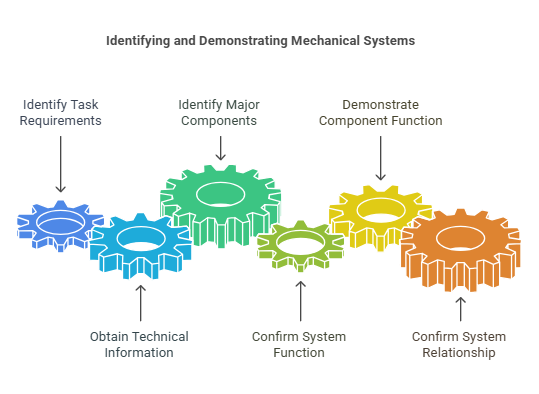
Automotive mechanical systems are integral to vehicle design, production, and repair. They influence related areas like automotive electronics, safety standards, and environmental systems, underscoring their role in the efficient functioning and innovation in the Australian automotive industry.
Where can the student go to find out more information about automotive mechanical systems?
What job roles would be knowledgeable about automotive mechanical systems and components?
Roles include:
- Automotive Technicians
- Automotive Engineers
- Vehicle Mechanics
- Service Managers
- Maintenance Supervisors
What is understanding automotive mechanical systems like in relation to sports, family, or schools?

Understanding automotive mechanical systems is akin to having a coach’s playbook in sports, enabling precise execution and strategy. In a family setting, it resembles keeping the home appliances functional and well-maintained. In schools, it’s like an educational roadmap guiding students to achieve learning milestones in an orderly manner.
(The first edition of this post was generated by AI to provide affordable education and insights to a learner-hungry world. The author will edit, endorse, and update it with additional rich learning content.)
(Skillmaker – 2025)- About the Author
- More info

Workskill training for all

 Post Tagged with