
Understanding Automotive Electrical Systems and Components: A Comprehensive Guide
Posted by SkillMaker in Mar, 2025
What is a concise description of automotive electrical systems and components?
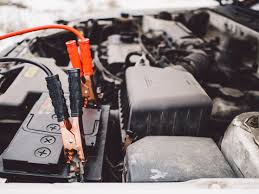
Understanding automotive electrical systems and components involves recognising and categorising the various parts that make up a vehicle’s electrical infrastructure. These systems manage everything from starting the engine to powering the lights and electronics.
Listen to this article as a podcast
Why do people in the Automotive industry need knowledge about automotive electrical systems and components?
Professionals in the automotive industry need this knowledge to ensure proper vehicle functioning and to perform repairs and maintenance effectively. As vehicles become more complex, understanding these electrical systems is critical for diagnostics and enhancing vehicle performance.
“Automotive electrical systems are the neurological pathways of cars, crucial for safety, functionality, and innovation in vehicle technology.”
What are the key components or elements of automotive electrical systems and components?
Key components include:
- Battery: Supplies the electrical energy required to start the engine and power electrical components.
- Alternator: Generates electricity while the engine is running to recharge the battery and power the electrical system.
- Starter Motor: Engages the engine flywheel to start the engine.
- Fuse Box: Houses fuses that protect the electrical system from overloads.
- Wiring Harness: A network of wires that connect all the electrical components in the vehicle.
What key terms, with descriptions, relate to automotive electrical systems and components?

Registered Trademark®
- Ohm’s Law: A fundamental principle in electronics used to relate voltage, current, and resistance.
- Grounding: The process of connecting electrical circuits to the earth to prevent excess charge build-up.
- Voltage: The electrical potential difference between two points in a circuit.
- Current: The flow of electrical charge in a circuit.
- Resistance: A measure of the opposition to current flow in an electrical circuit.
Who is typically engaged with operating or implementing automotive electrical systems and components?
Automotive electricians, engineers, and technicians are primarily involved in operating and implementing these systems. They work to ensure the systems function correctly, perform diagnostics, and conduct repairs when necessary.
How do automotive electrical systems and components align or integrate with other components of the Automotive industry in Australia?
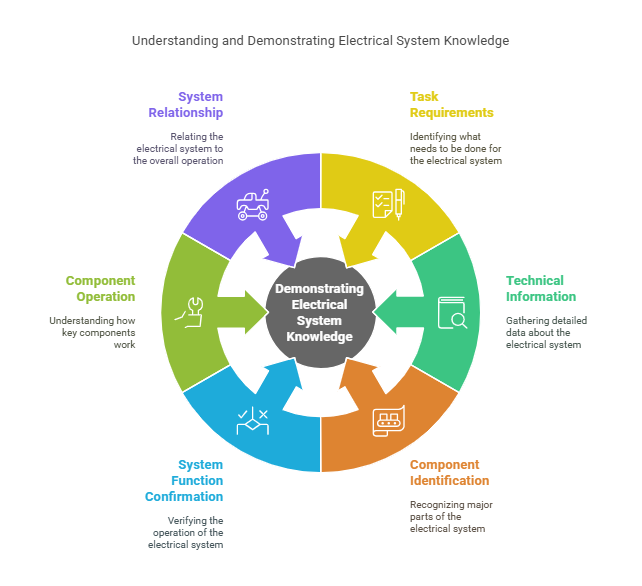
These systems integrate with propulsion systems, safety features, and infotainment in vehicles, ensuring seamless operation. As vehicles evolve with technology, the electrical systems increasingly intersect with computing and telecommunications sectors within the industry.
Where can the student go to find out more information about automotive electrical systems and components?
What job roles would be knowledgeable about automotive electrical systems and components?
Roles include:
- Automotive Electricians
- Vehicle Technicians
- Electronics Engineers
- Apprentice Mechanics
- Technical Trainers
What is automotive electrical systems and components like in relation to sports, family, or schools?

In sports, mastering automotive electrical systems is like knowing the game’s rules and intricacies for optimal performance. Within a family structure, it resembles understanding household wiring to keep systems running smoothly. In schools, it’s like the foundational knowledge necessary for students to progress in more complex studies.
(The first edition of this post was generated by AI to provide affordable education and insights to a learner-hungry world. The author will edit, endorse, and update it with additional rich learning content.)
(Skillmaker – 2025)- About the Author
- More info

Workskill training for all

 Post Tagged with