
Understanding and Honouring Individual Preferences in Support
Posted by SkillMaker in Jan, 2025
What is a concise description of understanding and honouring individual preferences in support?

Understanding and honouring individual preferences in support involves recognising and respecting the unique needs, wants, and cultural backgrounds of each person receiving services. It aims to empower individuals by allowing them to guide their own support and care plans, thus promoting autonomy and ensuring services are both effective and meaningful.
Why do people in enterprises need to understand and honour individual preferences in support?
Service providers need to understand and honour individual preferences in support to ensure that services are tailored to meet the unique needs of each client. This not only enhances the client experience but also increases satisfaction and outcomes, as support is more likely to be relevant and effective. Personalised care also fosters stronger trust and relationships between clients and care providers, which is crucial in the Australian Health and Community Services sector.
“Understanding individual preferences in support is about embracing diversity and providing a service that feels meaningful and personalised to each individual.”
What are the key components or elements of understanding and honouring individual preferences in support?
Key components include:
- Active Listening: Engaging with individuals to understand their needs and preferences.
- Personalisation: Tailoring services to meet unique client needs.
- Cultural Competence: Recognising and respecting diverse cultural backgrounds and traditions.
- Client Empowerment: Involving clients in decision-making processes.
- Flexibility: Adapting services as needs and preferences change.
What key terms, with descriptions, relate to understanding and honouring individual preferences in support?

Registered Trademark®
- Person-Centred Care: A holistic care approach that values and respects individual preferences.
- Informed Consent: Ensuring individuals understand and agree to the support being provided.
- Cultural Safety: Creating an environment that respects the cultural identities of individuals.
- Individualised Care Plans: Customised support strategies based on the unique needs of clients.
- Advocacy: Supporting individuals to express their preferences and rights.
Who is typically engaged with operating or implementing individual preferences in support?
This critical aspect of support is primarily implemented by care workers, support workers, case managers, and healthcare professionals. These roles collaborate closely with clients to develop and execute care plans that align with individual preferences and needs, ensuring the delivery of personalised and culturally relevant support.
How does understanding and honouring individual preferences in support align or integrate with other components of Health or Community Services in Australia?
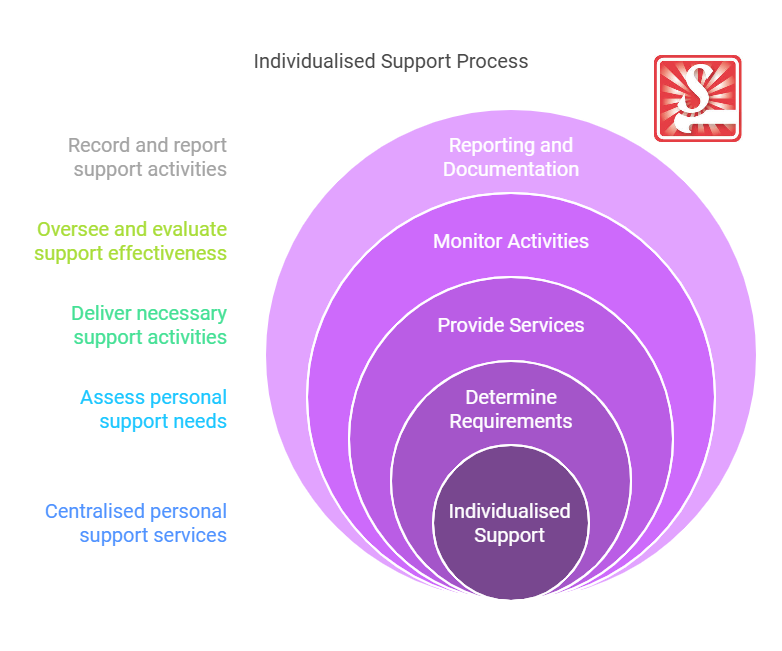
Understanding and honouring individual preferences in support integrates seamlessly with other components of Health and Community Services by fostering holistic, inclusive care that respects each person’s autonomy and dignity. It aligns with Australia’s commitment to person-centred care, which is embedded in national health policies and frameworks, ensuring healthcare practices are both culturally appropriate and responsive to the evolving needs of individuals and communities.
Where can the student go to find out more information about individual preferences in support?
- Australian Government Department of Health
- National Disability Insurance Scheme (NDIS)
- Aged Care Quality and Safety Commission
- Skillmaker
What job roles would be knowledgeable about individual preferences in support?
Roles that commonly require expertise in understanding and honouring individual preferences include:
- Support Workers
- Case Managers
- Healthcare Assistants
- Registered Nurses
- Social Workers
What is understanding and honouring individual preferences in support like in relation to sports, family, or schools?

In sports, understanding individual preferences is akin to a coach tailoring training programs to the unique strengths of athletes to enhance performance. In a family context, it’s similar to parents catering to the individual likes and needs of each child to ensure harmony and happiness. In schools, it reflects personalised teaching methods that recognise each student’s learning style, promoting an inclusive and stimulating environment.
(The first edition of this post was generated by AI to provide affordable education and insights to a learner-hungry world. The author will edit, endorse, and update it with additional rich learning content.)
- About the Author
- More info

Workskill training for all

 Post Tagged with