
Service Supplies in Cleaning Kitchen Premises and Equipment
Posted by SkillMaker in Jan, 2025
What is a concise description of service supplies when cleaning kitchen premises and equipment?
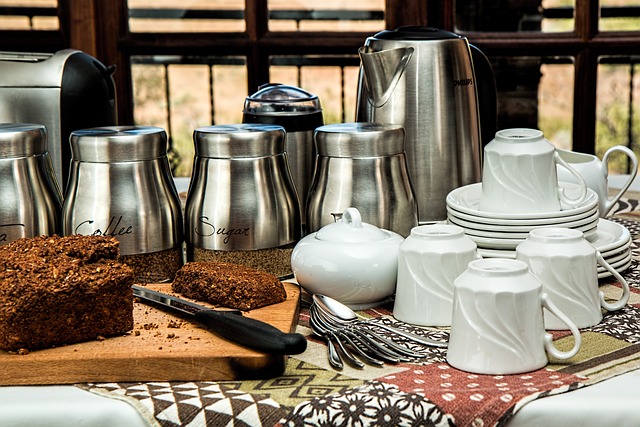
Service supplies in cleaning kitchen premises and equipment encompass all the necessary materials and tools used to maintain cleanliness and hygiene in kitchen environments. This includes cleaning agents, protective gloves, mops, brushes, and any other equipment required to effectively clean different kitchen areas and appliances.
Why do people in enterprises need service supplies when cleaning kitchen premises and equipment?
Enterprises need service supplies for cleaning kitchen premises and equipment to ensure that the highest levels of hygiene and safety are maintained. Properly equipped teams prevent cross-contamination of food, minimise health risks, comply with health regulations, and enhance operational efficiency, ultimately supporting the success of the hospitality and catering business.
“Utilising proper service supplies for cleaning ensures a safe and sanitary kitchen environment, safeguarding both customers and staff from potential health hazards.”
What are the key components or elements of service supplies in cleaning kitchen premises and equipment?
Key components of service supplies include:
- Cleaning Agents: Detergents, disinfectants, and degreasers designed for specific surfaces and equipment.
- Tools and Equipment: Brushes, cloths, mops, and high-pressure washers for various cleaning needs.
- Personal Protective Equipment (PPE): Gloves and masks to protect cleaning staff from chemical exposure.
- Storage and Labelling: Proper storage containers and clearly labeled cleaning agents ensure safety and compliance.
- Disposable Supplies: Single-use items like paper towels and sanitising wipes for quick and hygienic cleaning solutions.
What key terms, with descriptions, relate to service supplies in cleaning kitchen premises and equipment?

Registered Trademark®
- Sanitisation: The process of cleaning to a microbiological level that ensures all surfaces are safe for food preparation.
- Cross-contamination: The transfer of harmful bacteria from one surface or food product to another.
- Food Safety Standards: Guidelines and regulations that ensure food is prepared, handled, and stored safely.
- PPE (Personal Protective Equipment): Clothing and equipment worn to minimise exposure to hazards.
- MSDS (Material Safety Data Sheets): Documents providing detailed information about the handling, storage, and effects of materials used in cleaning.
Who is typically engaged with operating or implementing service supplies for cleaning kitchen premises and equipment?
Kitchen staff, including chefs, kitchen hands, and cleaning personnel, are primarily responsible for using service supplies in cleaning kitchen premises and equipment. Moreover, supervisors or kitchen managers oversee that proper cleaning procedures and supplies are effectively utilised to guarantee cleanliness and safety standards.
How do service supplies in cleaning kitchen premises and equipment align or integrate with other components of Hospitality and Catering?
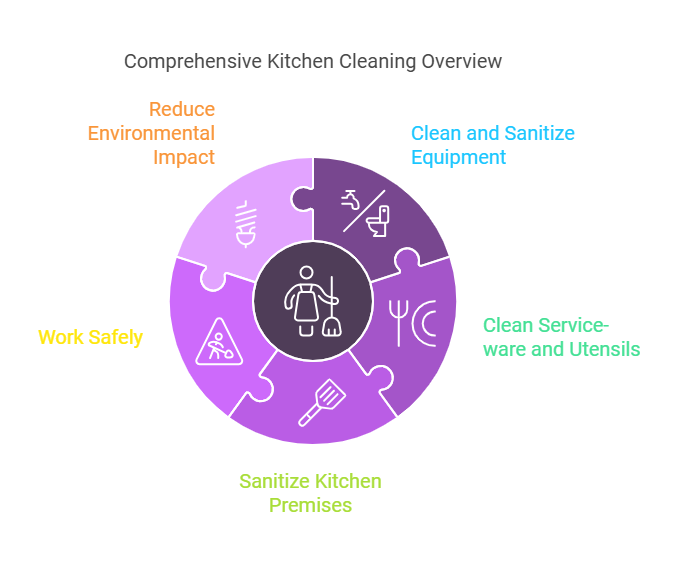
Service supplies align closely with food safety protocols and kitchen management, ensuring that all operations run smoothly and securely. They support efficiency by enabling quick cleanup during peak service periods while maintaining the quality and safety of food preparation areas.
Where can a student go to find out more information about service supplies in cleaning kitchen premises and equipment?
What job roles would be knowledgeable about service supplies when cleaning kitchen premises and equipment?
Roles in the field include:
- Kitchen Operations Managers
- Head Chefs
- Kitchen Hands
- Cleaning Staff
- Food Safety Inspectors
What is the use of service supplies in cleaning kitchen premises and equipment like in relation to sports, family, or schools?

In sports, using service supplies to keep equipment clean is like ensuring playing fields and gear are maintained and hygienic for performance and player safety. In families, it mirrors the effort and care taken to keep a household clean and healthy, preventing the spread of illness. In schools, it parallels the consistent sanitisation of facilities to provide a safe learning environment for students and teachers.
(The first edition of this post was generated by AI to provide affordable education and insights to a learner-hungry world. The author will edit, endorse, and update it with additional rich learning content.)
- About the Author
- More info

Workskill training for all

 Post Tagged with