
Risk Control Processes in Maintaining Workplace Safety
Posted by SkillMaker in Dec, 2024
What is a concise description of risk control processes in maintaining workplace safety?

Risk control processes in maintaining workplace safety involve identifying potential hazards, assessing the level of risk they present, and implementing measures to mitigate or eliminate these risks. These processes are crucial in creating a safe work environment, preventing accidents, and ensuring compliance with occupational health and safety laws.
Why do people in enterprises need risk control processes when maintaining workplace safety?
Enterprises need risk control processes to protect employees, minimize liability, and maintain uninterrupted operations. By proactively controlling risks, businesses can reduce the likelihood of incidents, decrease potential injury-related costs, ensure regulatory compliance, and enhance worker morale and productivity.
“Effective risk control processes are the backbone of workplace safety, safeguarding employees and fostering a culture of precaution and prevention.”
What are the key components or elements of risk control processes in maintaining workplace safety?
Key components of risk control processes include:
- Hazard Identification: Spotting potential workplace hazards.
- Risk Assessment: Evaluating the severity and likelihood of hazards.
- Control Measures: Implementing strategies to mitigate risks.
- Monitoring and Review: Continuously checking the effectiveness of control measures.
- Documentation: Keeping detailed records of risk management processes.
What key terms, with descriptions, relate to risk control processes in maintaining workplace safety?

Registered Trademark®
- Hazard Control Hierarchy: A system of controls used to ensure workplace safety, typically ranked from most to least effective.
- Elimination: Completely removing a hazard.
- Substitution: Replacing a hazard with a less risky alternative.
- Engineering Controls: Isolating people from hazards through physical barriers or design changes.
- Personal Protective Equipment (PPE): Gear worn to minimize exposure to hazards.
Who is typically engaged with operating or implementing risk control processes in workplace safety?
Workplace safety officers, health and safety managers, supervisors, and employees themselves are typically responsible for operating or implementing risk control processes. It’s a collaborative effort that requires input and adherence at all levels of an organization to be effective.
How do risk control processes in maintaining workplace safety align or integrate with other components of Workplace Safety?
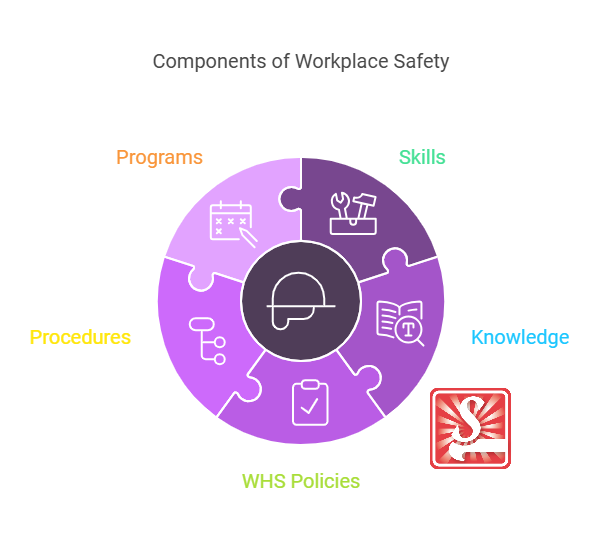
Risk control processes integrate seamlessly with other workplace safety components by complementing safety training programs, emergency response planning, and workplace inspections. These interconnected elements form a comprehensive safety strategy that promotes a proactive approach to managing workplace risks.
Where can the student go to find out more information about risk control processes in maintaining workplace safety?
What job roles would be knowledgeable about risk control processes in maintaining workplace safety?
Roles include:
- Safety Managers
- Occupational Health and Safety Officers
- Industrial Hygiene Experts
- Risk Assessment Specialists
- Workplace Inspectors
What is risk control processes in maintaining workplace safety like in relation to sports, family, or schools?

In relation to sports, risk control processes are similar to strategies a team employs to prevent injuries and improve player safety.
In a family context, it’s like parents teaching kids safety rules at home to prevent accidents.
In schools, it parallels implementing policies to keep students and staff safe from potential hazards, similar to running fire drills and maintaining equipment safety.
(The first edition of this post was generated by AI to provide affordable education and insights to a learner-hungry world. The author will edit, endorse, and update it with additional rich learning content.)
- About the Author
- More info

Workskill training for all

 Post Tagged with