
Perishable Stock Labels: Essential in Receiving, Storing, and Maintaining Stock
Posted by SkillMaker in Jan, 2025
What is a concise description of perishable stock labels in relation to receiving, storing, and maintaining stock?
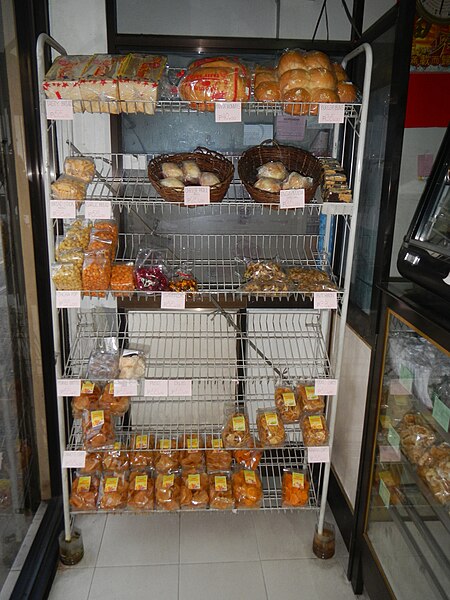
Perishable stock labels are tags or stickers crucial in identifying and tracking perishable goods throughout the supply chain. They provide vital information such as expiry dates, batch numbers, and storage instructions, ensuring goods are handled correctly and used promptly.
Why do people in enterprises need perishable stock labels when receiving, storing, and maintaining stock?
Enterprises require perishable stock labels to effectively manage and monitor perishable items, reducing waste and potential spoilage. Labels help ensure products are stored correctly and used before expiration, enhancing food safety, customer satisfaction, and operational efficiency.
“Perishable stock labels are vital tools for maintaining quality and safety in the inventory lifecycle.”
What are the key components or elements of perishable stock labels?
Key components of perishable stock labels include:
- Expiry Date: Indicates when the product should not be consumed after.
- Batch Number: Identifies production batch for tracking and recalls.
- Storage Instructions: Guidelines on maintaining optimal product condition.
- Product Information: Includes product name and supplier details.
- Allergen Information: Specifies potential allergens present in the product.
What key terms, with descriptions, relate to perishable stock labels?

Registered Trademark®
- FIFO (First-In, First-Out): Inventory management rule ensuring older stock is used first.
- Recall: Process of returning defective or unsafe products along the supply chain.
- Traceability: Ability to follow the movement of a product through specified stages of production.
- Food Safety Standards: Set regulations ensuring the safety of consumable products.
- Shelf Life: The time period during which a product remains usable or fit for consumption.
Who is typically engaged with operating or implementing perishable stock labels?
Roles such as inventory managers, storeroom personnel, quality assurance teams, and kitchen staff are responsible for operating or implementing perishable stock labels. They ensure proper labelling practices are followed, maintain compliance, and oversee stock rotation and usage.
How do perishable stock labels align or integrate with other components of Hospitality and Catering?
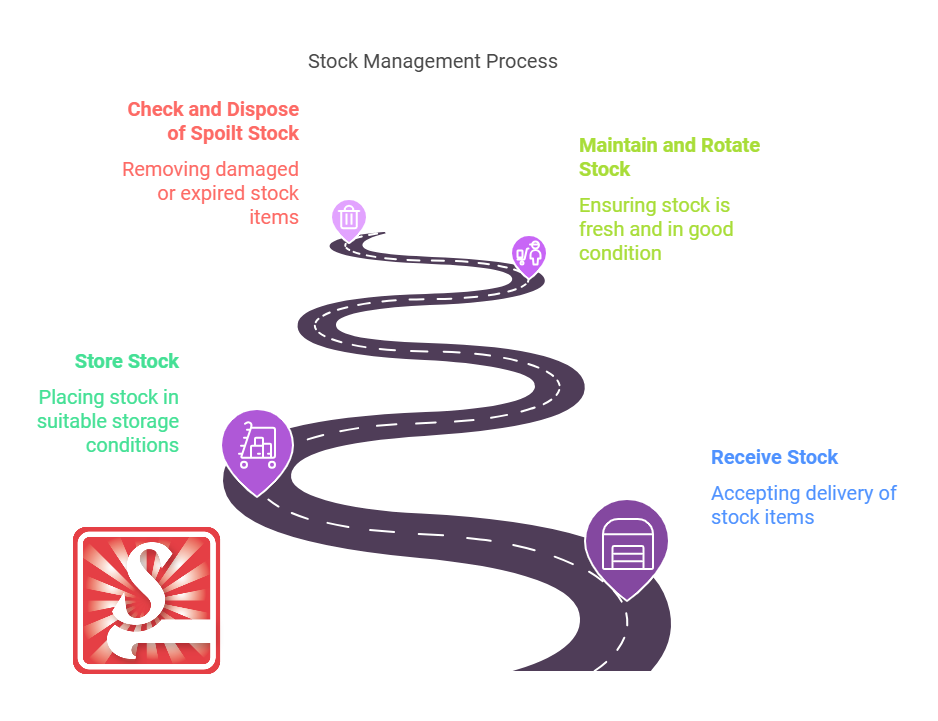
Perishable stock labels integrate into Hospitality and Catering by ensuring food safety, promoting efficient use of resources, and improving supply chain management. They support other operational procedures such as inventory control, quality management, and compliance with health regulations.
Where can the student go to find out more information about perishable stock labels?
- Food Standards Australia New Zealand (FSANZ)
- Safe Work Australia
- Australian Food News
- Hospitality Magazine
What job roles would be knowledgeable about perishable stock labels?
Roles include:
- Inventory Managers
- Quality Assurance Officers
- Kitchen Staff
- Storeroom Personnel
- Catering Managers
What are perishable stock labels like in relation to sports, family, or schools?

In sports, perishable stock labels resemble how a team schedules training to prevent burn-out and maintain peak performance.
In a family context, it’s like keeping track of expiry dates for groceries to avoid wastage.
In schools, perishable stock labels can be compared to maintaining a timetable that ensures activities and lessons occur in a timely manner, promoting efficiency and order.
(The first edition of this post was generated by AI to provide affordable education and insights to a learner-hungry world. The author will edit, endorse, and update it with additional rich learning content.)
- About the Author
- More info

Workskill training for all

 Post Tagged with