
Effective Management of Perishable Stock in Hospitality and Catering
Posted by SkillMaker in Jan, 2025
What is a concise description of perishable stock when receiving, storing, and maintaining stock?
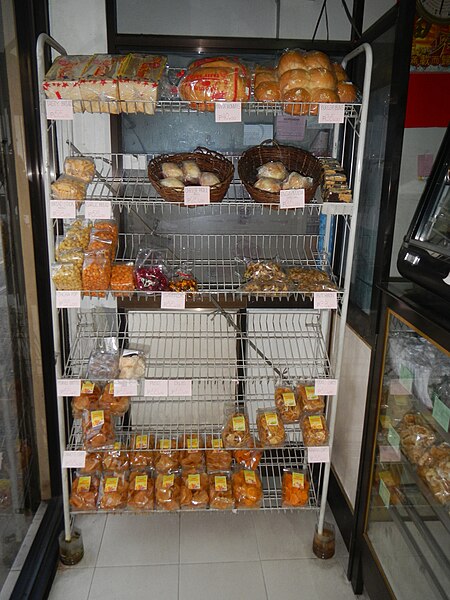
Managing perishable stock involves ensuring the freshness and safety of food products within the Hospitality and Catering industry from the point of receipt, through storage, and until the time they are utilized. It requires careful handling, correct storage conditions, and adherence to best practices to minimise waste and maintain quality.
Why do people in enterprises need to manage perishable stock effectively?
Enterprises need to manage perishable stock effectively to deliver high-quality meals while maintaining food safety standards. Proper management reduces spoilage and waste, maximizes profitability, and ensures customer satisfaction, all critical in the highly competitive hospitality and catering industry.
“Efficient management of perishable stock ensures quality, minimizes waste, and enhances customer satisfaction, driving success in the hospitality industry.”
What are the key components or elements of managing perishable stock?
Key components in managing perishable stock include:
- Receiving: Inspecting deliveries for quality and freshness while verifying quantities and items against orders.
- Storage: Maintaining optimal temperatures and humidity levels to preserve freshness and extend shelf life.
- Stock Rotation: Implementing First In, First Out (FIFO) practices to ensure older stock is used first.
- Inventory Control: Regularly monitoring stock levels to prevent over-ordering and reduce waste.
- Hygiene Practices: Ensuring cleanliness in storage areas to avoid contamination and spoilage.
What key terms, with descriptions, relate to managing perishable stock?
- FIFO (First In, First Out): A stock rotation strategy to use older products first to minimize spoilage.
- Chill Chain: Maintaining a consistent refrigeration temperature to preserve perishables.
- Perishables: Items that have a limited shelf life due to their susceptibility to spoilage.
- Temperature Control: Regulating storage temperatures to prolong freshness and comply with safety standards.
- Stocktake: The process of counting and verifying physical inventory levels.
Who is typically engaged with operating or implementing the management of perishable stock?
Typically, roles such as kitchen managers, chefs, inventory clerks, and procurement officers are involved in operating or implementing the management of perishable stock. These professionals ensure that all handling, storage, and inventory control practices align with industry standards and enterprise requirements.
How does managing perishable stock align or integrate with other components of Hospitality and Catering?
Managing perishable stock integrates seamlessly with menu planning, procurement, food preparation, and service delivery across the hospitality sector. Proper stock management ensures that menu offerings are supported by fresh, high-quality ingredients, influencing both the operational efficiency and guest satisfaction.
Where can the student go to find out more information about managing perishable stock?
- Food Standards Australia New Zealand (FSANZ)
- Safe Food Production Queensland
- Victorian Government Health Food Safety
What job roles would be knowledgeable about managing perishable stock?
Roles include:
- Chefs
- Purchasing Managers
- Kitchen Supervisors
- Stock Controllers
- Food Safety Officers
What is managing perishable stock like in relation to sports, family, or schools?

In sports, managing perishable stock is like ensuring athletes have a fresh, balanced diet to maintain their peak performance. Within a family environment, it reflects effectively planning meals to reduce food waste and cost. In a school setting, it equates to organizing supplies for canteens to offer nutritious meals daily, much like stock rotations and inventory checks.
(The first edition of this post was generated by AI to provide affordable education and insights to a learner-hungry world. The author will edit, endorse, and update it with additional rich learning content.)
- About the Author
- More info

Workskill training for all

 Post Tagged with