
Optimizing Breathing Techniques in Strength and Conditioning Instruction
Posted by Jonny BBAD Nelson in Dec, 2024
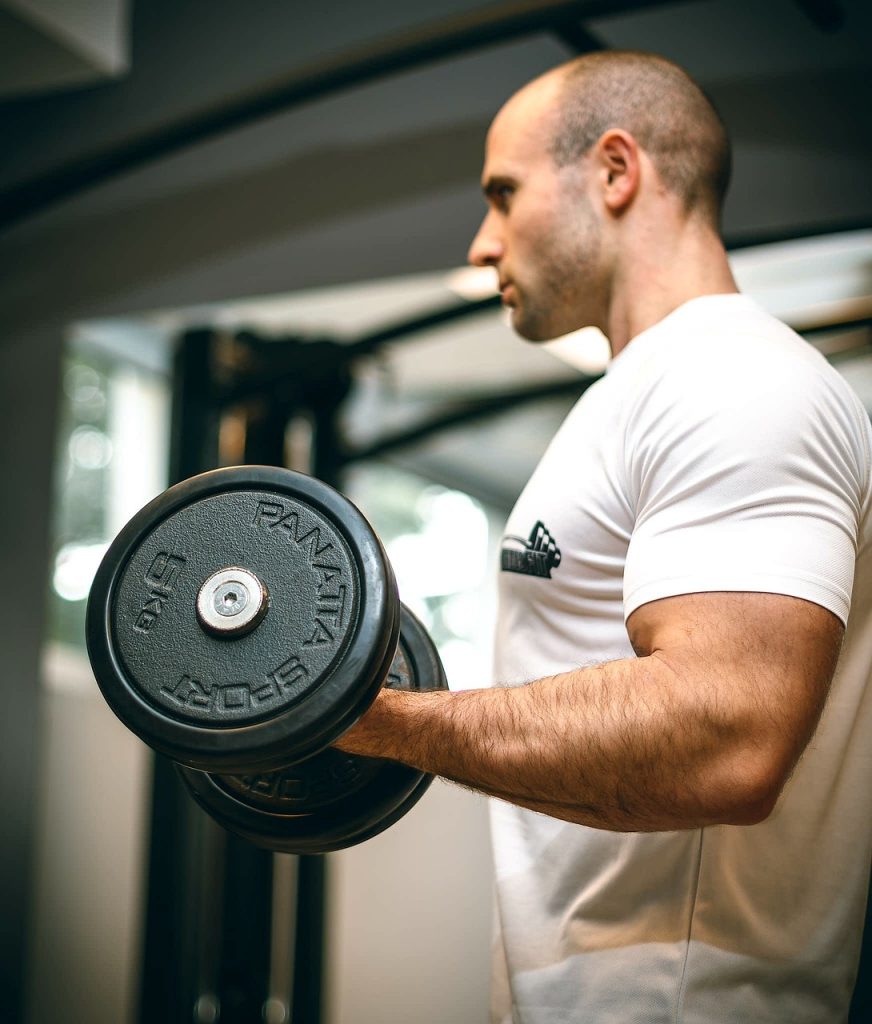
What is a concise description of breathing in strength and conditioning?
Breathing in strength and conditioning refers to the strategic use of inhaling and exhaling to maximize performance, ensure safety, and enhance the effectiveness of exercises. Proper breathing techniques can boost oxygen delivery to muscles, stabilize the core, and improve overall workout efficiency.
Why do people in enterprises need breathing techniques in strength and conditioning?
In the realm of strength and conditioning, proper breathing techniques are crucial for maximizing athletic performance and minimizing the risk of injury. They help maintain appropriate intra-abdominal pressure, which is necessary for spinal support and core stabilization during heavy lifting or high-intensity activity.
“Effective breathing techniques form the foundation of strength, safety, and performance, supporting athletes and fitness enthusiasts in achieving their goals efficiently and confidently.”
What are the key components or elements of breathing in strength and conditioning?
Key components include:
- Breath Timing: Coordinating breath with movement—for instance, inhaling during the eccentric phase (lowering) and exhaling during the concentric phase (lifting) of a lift.
- Diaphragmatic Breathing: Engaging the diaphragm for deeper, more efficient breaths rather than shallow chest breathing.
- Bracing: Creating intra-abdominal pressure through breath-holding techniques to support the spine during heavy lifts.
- Posture Alignment: Ensuring that posture is conducive to optimal breathing efficiency, often linked with core and spinal alignment.

Registered Trademark ®
What key terms, with descriptions, relate to breathing techniques in strength and conditioning?
- Valsalva Maneuver: A technique where one forcefully exhales against a closed glottis while bearing down to stabilize the torso and protect the spine during heavy lifts.
- Diaphragmatic Breathing: Also known as belly breathing; a technique that encourages fuller oxygen exchange and relaxes the nervous system.
- Intra-Abdominal Pressure (IAP): The pressure created within the abdominal cavity when breathing and bracing correctly; crucial for stabilizing the spine during lifting.
Who is typically engaged with operating or implementing breathing techniques in strength and conditioning?
Strength and conditioning coaches, fitness instructors, athletic trainers, and athletes themselves are the primary implementers of breathing techniques. Clinicians and physiotherapists also engage with these techniques for rehabilitation purposes.
How do breathing techniques align or integrate with other components of strength and conditioning techniques for Sport Coaching and fitness?
Breathing techniques are a foundational aspect that supports almost every other component of strength training, from improving form and technique to enhancing power output. They integrate seamlessly with mobility exercises, core strengthening routines, and even recovery practices, reinforcing holistic athletic development.

Where can the student go to find out more information about breathing techniques in strength and conditioning?
Scope of Practice Document
Adult Pre-Exercise Screening System
Australian Sports Commission
What job roles would be knowledgeable about breathing techniques in strength and conditioning?
Roles include:
- Strength and Conditioning Coaches
- Exercise Physiologists
- Personal Trainers
- Physical Therapists
- Sports Coaches

What are breathing techniques like in relation to sports, family, or schools?
- Sports: Integral for performance optimization and injury prevention.
- Family: Teaching children proper breathing promotes physical fitness and relaxation techniques.
- Schools: Physical education programs can incorporate basic breathing techniques to encourage safe exercise habits.
In each context, breathing techniques emphasize safety, efficiency, and long-term well-being.
(The first edition of this article was generated by AI to provide valuable insights on breathing techniques in strength and conditioning. It will be reviewed and refined by experts for clarity and accuracy.)
t.)
- About the Author
- More info

Jonny “B Bad” is a powerlifting specialist, strength and conditioning coach, and co-owner of Fortitude Barbell in Brisbane. With over 15 years in the industry, he has trained athletes of all levels, focusing on strength, community, and continual learning. A competitor in some of Australia’s top powerlifting events, he balances training, coaching, and family life while co-hosting The Platform Podcast. His philosophy is simple: train hard, have fun, and enjoy the process. Whether lifting big, improving fitness, or gaining confidence, Jonny’s passion is helping people get stronger—both physically and mentally—while fostering a supportive and engaging training environment.

 Post Tagged with