
Navigating Emergency Responses in Sport and Recreation Environments
Posted by SkillMaker in Dec, 2024
What is a concise description of the role of other personnel when responding to emergency situations?
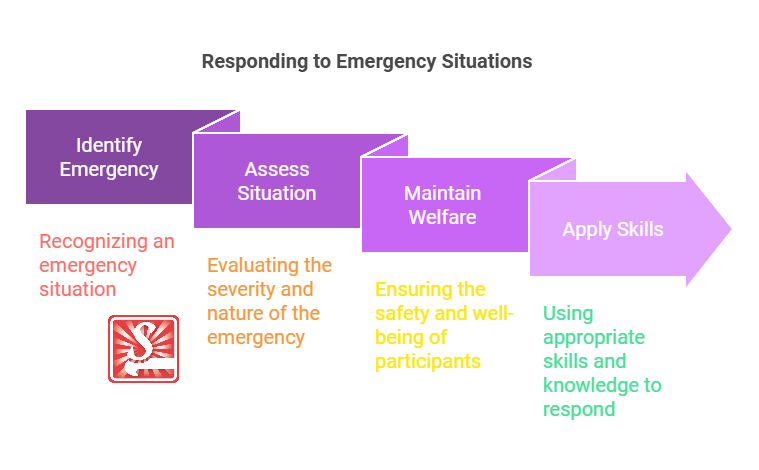
In the realm of sport and recreation, the role of other personnel is critical when responding to emergency situations. These individuals are integral in executing coordinated efforts, providing aid, maintaining safety, and ensuring efficient communication during emergencies. Their involvement may include first responders, safety officers, or trained staff, each contributing vital skills and support.
Why do people in enterprises need to understand the role of other personnel in emergency situations?
Understanding the role of other personnel during emergencies is essential in enterprises to ensure that all members are prepared and equipped to manage unforeseen circumstances efficiently. Recognizing each participant’s function enables quick, organized, and effective responses to incidents, minimizing risks and potential liabilities while safeguarding participants, staff, and spectators.
“The success of emergency responses hinges on understanding and leveraging the diverse roles of all personnel involved, ensuring a coordinated and effective strategy.”
What are the key components or elements of the roles of other personnel in emergency situations?
Key components of other personnel roles in emergency situations include:
- Emergency Action Plans: Clear procedures and responsibilities for all involved personnel.
- Communication Systems: Efficient channels for alerting, coordinating, and updating during emergencies.
- Training and Drills: Regular practice sessions to ensure readiness and familiarize roles.
- Resource Management: Effective use and allocation of medical, security, and other support resources.
- Post-Incident Review: Analyzing response performance and identifying areas for improvement.
What key terms, with descriptions, relate to the roles of other personnel in emergency situations?

Registered Trademark®
- Incident Commander: The person responsible for overall management of the emergency response.
- First Responder: The first personnel on scene to provide assistance during an emergency.
- Chain of Command: A structured hierarchy for decision-making and coordination.
- Incident Debrief: A meeting to analyze the response and discuss improvements post-incident.
- Risk Assessment: Evaluation to identify potential hazards and measure preparedness.
Who is typically engaged with operating or implementing the roles of other personnel in emergency situations?
Individuals engaged in implementing roles during emergency situations in sport and recreation include facility managers, security personnel, event coordinators, coaches, and medical staff. These roles collaborate to uphold safety, manage incidents, and support any necessary evacuations or medical interventions.
How does the role of other personnel in emergency situations align or integrate with other components of Sport and Recreation?
The role of other personnel in emergencies integrates with overall operations by ensuring safety protocols are embedded within daily activities and event planning. These roles emphasize risk management, facility preparedness, and cultivating a culture of safety awareness across all levels of sport and recreation organizations.
Where can the student go to find out more information about the role of other personnel in emergency situations?
- Sport Australia – Safety and Wellbeing
- Australian Red Cross – First Aid Training
- Safe Work Australia
What job roles would be knowledgeable about the role of other personnel in emergency situations?
Roles include:
- Facility Managers
- Security Personnel
- Event Coordinators
- Coaches and Trainers
- Medical Staff
What is the role of other personnel in emergency situations like in relation to sports, family, or schools?

In sports, the role of other personnel during emergencies is akin to a team working in unison, each player having a specific task to win the game. In a family context, it resembles members taking on roles during a crisis, ensuring everyone is safe and informed. In schools, it mirrors the well-rehearsed drills where each person knows the plan, contributing to a secure learning environment.
(The first edition of this post was generated by AI to provide affordable education and insights to a learner-hungry world. The author will edit, endorse, and update it with additional rich learning content.)
- About the Author
- More info

Workskill training for all

 Post Tagged with