
Efficient Storage Equipment in Receiving, Storing, and Maintaining Stock in Hospitality
Posted by SkillMaker in Jan, 2025
What is a concise description of storage equipment in receiving, storing and maintaining stock?
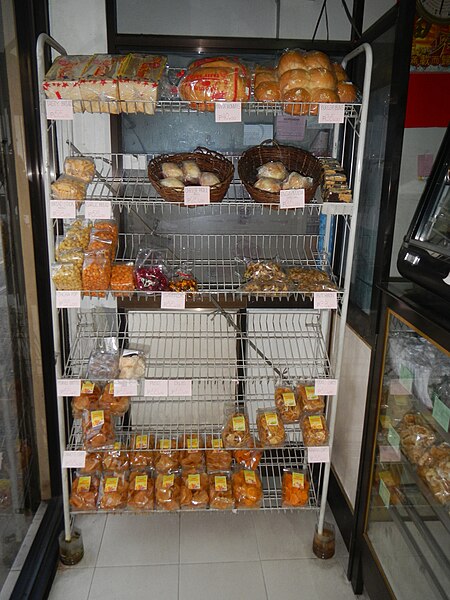
Storage equipment in the context of receiving, storing, and maintaining stock in hospitality involves using various tools and structures to systematically organize and preserve inventory. This includes items ranging from perishable food products to dinnerware, ensuring they remain in optimal condition for use in service.
Why do people in enterprises need storage equipment for receiving, storing and maintaining stock?
Enterprises require efficient storage equipment to enhance operational efficiency, prevent spoilage or damage, and optimize space usage. Proper storage underpins inventory control, minimizes waste, and maintains quality standards, crucial in the competitive hospitality industry where quality and efficiency are paramount for customer satisfaction.
“Effective storage equipment management in hospitality ensures quality preservation, optimizes operations, and enhances customer satisfaction, forming a backbone of successful inventory management.”
What are the key components or elements of storage equipment for stock management?
Key components of storage equipment for stock management include:
- Shelving Units: Adjustable racks to store non-perishable items and optimize space.
- Refrigeration Systems: Storage for perishable goods to maintain freshness and prevent spoilage.
- Freezers: Preserve long-term stock items requiring low temperature.
- Inventory Management Tools: Digital or manual systems for tracking and maintaining stock levels.
- Storage Bins: Containers for organizing small items or ingredients for easy access.
What key terms, with descriptions, relate to storage equipment in stock management?

Registered Trademark®
- Inventory Management System (IMS): Software that tracks stock levels, orders, and deliveries.
- FIFO (First In, First Out): An inventory method ensuring the oldest stock is used first.
- Temperature Control: Systems to maintain optimal conditions within storage environments.
- Stock Rotation: The practice of rearranging products to prevent expiry.
- Load Capacity: The maximum weight a storage unit can safely hold.
Who is typically engaged with operating or implementing storage equipment in stock management?
Roles such as warehouse managers, inventory controllers, stock handlers, and kitchen managers engage in operating or implementing storage equipment. These professionals ensure that all equipment is used effectively to maintain stock integrity and promote smooth operational flow.
How does storage equipment for stock management align or integrate with other components of Hospitality and Catering?
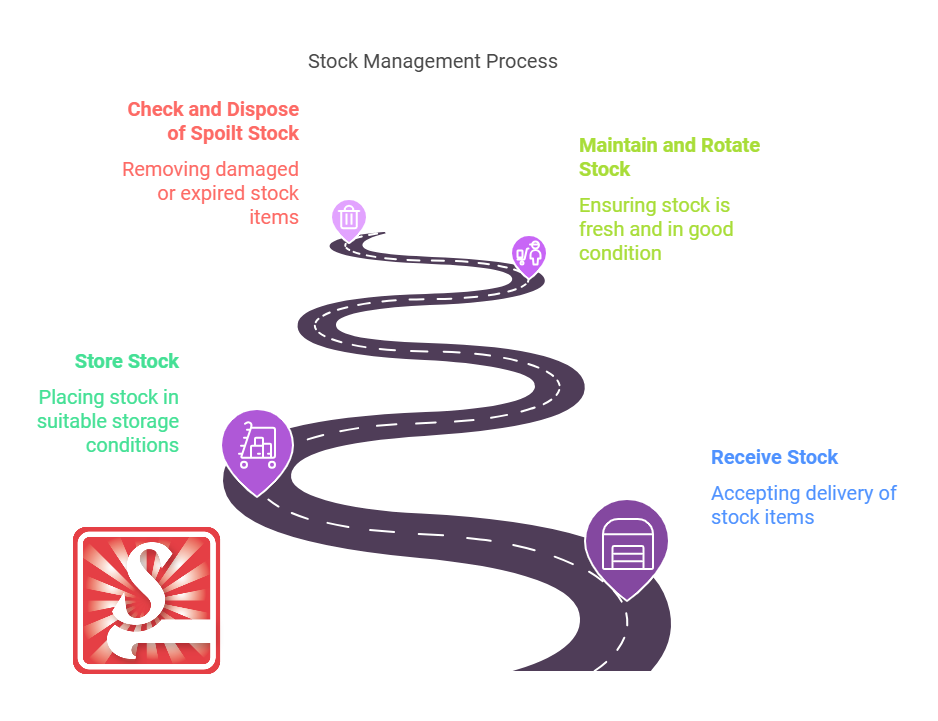
Storage equipment integrates with other hospitality components by upholding standards in food safety, cost management, and supply chain efficiency. Proper storage facilitates quick kitchen operations, seamless service, and contributes to the overall guest experience by ensuring reliability and quality in product availability.
Where can the student go to find out more information about storage equipment in stock management?
- Food Standards Australia New Zealand (FSANZ)
- Safe Food Production Queensland
- Hospitality Magazine
- Australian Hospitality Association
What job roles would be knowledgeable about storage equipment in stock management?
Roles include:
- Inventory Managers
- Warehouse Supervisors
- Kitchen Managers
- Stock Controllers
- Logistics Coordinators
What is storage equipment in stock management like in relation to sports, family or schools?

In relation to sports, storage equipment management mirrors a sports team ensuring their gear is well-maintained, organized, and readily available for optimal performance. In a family setting, it is like having a well-organized pantry or closet, where items are easily accessible and maintained in good condition. When considering schools, it parallels maintaining educational materials, ensuring they are readily accessible for teaching and learning.
(The first edition of this post was generated by AI to provide affordable education and insights to a learner-hungry world. The author will edit, endorse, and update it with additional rich learning content.)
- About the Author
- More info

Workskill training for all

 Post Tagged with