
Effective Cleaning Practices for Kitchen Premises and Equipment
Posted by SkillMaker in Jan, 2025
What is a concise description of cleaning kitchen premises and equipment?
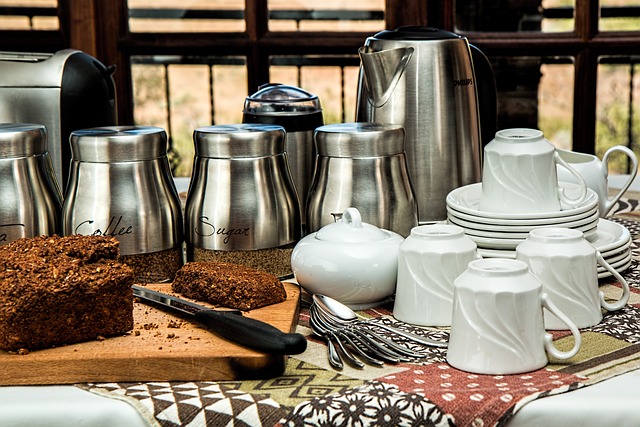
Cleaning kitchen premises and equipment involves systematically sanitising and maintaining all areas and tools in a kitchen to ensure a hygienic environment. This process includes disinfecting surfaces, washing utensils, cleaning ovens and stoves, and ensuring waste management practices are followed. It’s a crucial activity in maintaining food safety standards and operational efficiency in hospitality and catering enterprises.
Why do people in enterprises need to clean kitchen premises and equipment?
Maintaining clean kitchen premises and equipment is essential for ensuring the safety and satisfaction of customers. Regular cleaning reduces the risk of foodborne illnesses, preserves the lifespan of equipment, enhances efficiency, and supports regulatory compliance mandates in the hospitality industry. Clean environments foster a positive reputation and uphold health standards, essential for business success.
“Sanitation in kitchen premises preserves health, enhances operational efficiency, and upholds the professional standards required in the culinary world.”
What are the key components or elements of cleaning kitchen premises and equipment?
Key components of cleaning kitchen premises and equipment include:
- Surface Sanitisation: Regular disinfection to prevent contamination.
- Equipment Maintenance: Routine cleaning and care of appliances to ensure long-term usability and efficiency.
- Waste Management: Proper disposal of waste and recycling practices to maintain clean environments.
- Personal Hygiene: Ensuring staff maintains cleanliness and follows hygiene protocols while handling food.
- Documentation: Maintaining cleaning schedules and logs to verify compliance and support inspections.
What key terms, with descriptions, relate to cleaning kitchen premises and equipment?

Registered Trademark®
- HACCP (Hazard Analysis Critical Control Points): A preventive approach to food safety that identifies physical, chemical, and biological hazards in production processes.
- Sanitation: Measures taken to maintain cleanliness and hygiene in promoting health and preventing disease.
- MSDS (Material Safety Data Sheets): Documents that provide information on the properties of chemical products used in cleaning.
- Cross-Contamination: Transfer of bacteria or other pathogens unintentionally from one substance or object to another, with harmful effect.
- PPE (Personal Protective Equipment): Gear worn by employees in kitchens to ensure safety and hygiene.
Who is typically engaged with operating or implementing cleaning in kitchen premises and equipment?
Roles involved in cleaning kitchen premises and equipment include kitchen porters, chefs, kitchen staff, cleaning attendants, and health inspectors. These professionals work collaboratively to ensure hygiene protocols are followed and maintained, contributing to a safe food production environment.
How does cleaning kitchen premises and equipment align or integrate with other components of Hospitality and Catering?
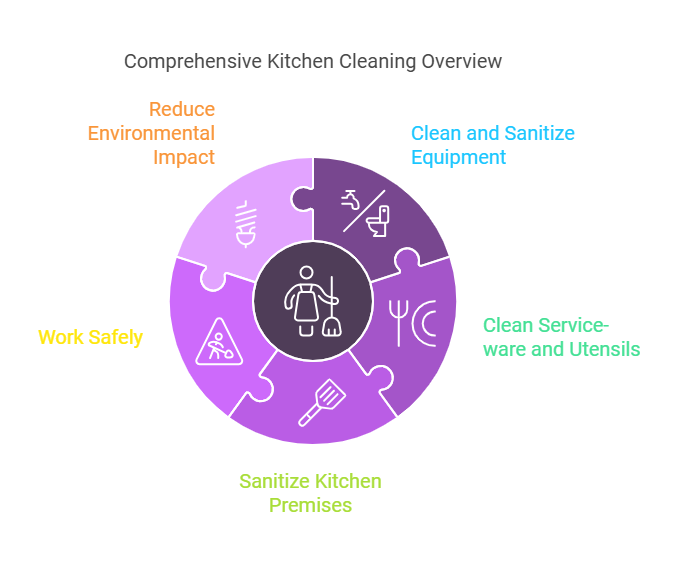
Cleaning kitchen premises and equipment integrates seamlessly with hospitality and catering operations by promoting food safety, reducing cross-contamination risk, and maintaining compliance with health codes. It’s aligned with staff training and customer service practices, ensuring consistency in delivering quality meals and experiences to patrons.
Where can the student go to find out more information about cleaning kitchen premises and equipment?
What job roles would be knowledgeable about cleaning kitchen premises and equipment?
Roles knowledgeable about this process include:
- Chefs
- Kitchen Porters
- Sanitation Managers
- Health and Safety Officers
- Food Safety Inspectors
What is cleaning kitchen premises and equipment like in relation to sports, family, or schools?

Cleaning kitchen premises and equipment is like maintaining a sports team’s equipment: regular checks and cleaning are necessary to ensure peak performance. Relating to a family, it involves daily routines to keep the household clean and efficient. In schools, it parallels maintaining classrooms and cafeterias to provide a safe and healthy environment for learning and eating.
(The first edition of this post was generated by AI to provide affordable education and insights to a learner-hungry world. The author will edit, endorse, and update it with additional rich learning content.)
- About the Author
- More info

Workskill training for all

 Post Tagged with