
Maximizing Performance Through Goal Setting in Strength and Conditioning
Posted by Jonny BBAD Nelson in Dec, 2024
What is a concise description of goal setting in strength and conditioning?
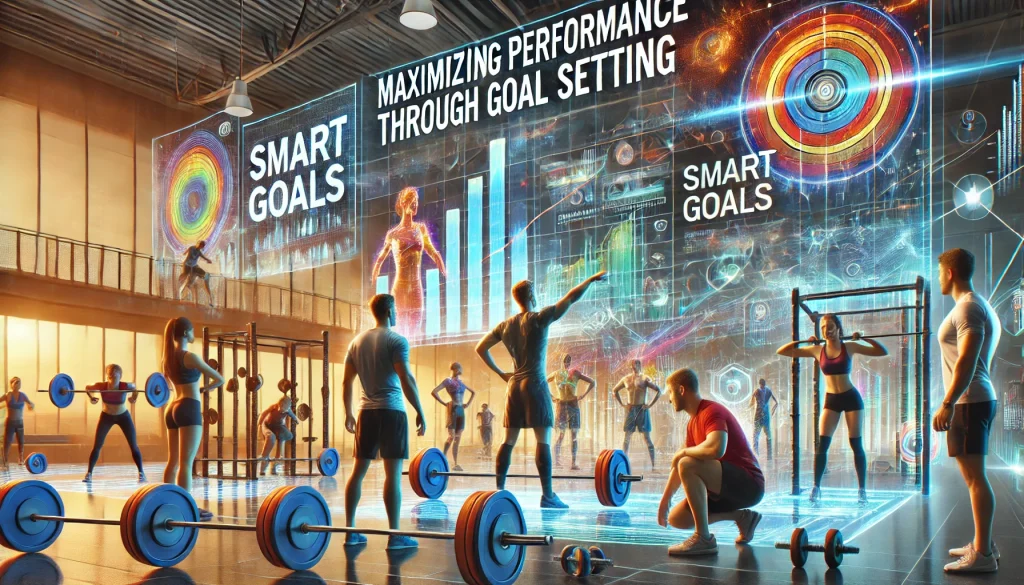
Goal setting in strength and conditioning involves defining clear, specific, and achievable objectives that guide athletes and fitness enthusiasts in their training programs. By establishing benchmarks for performance and achievement, individuals can track their progress, stay motivated, and achieve optimal results.
Why do people in enterprises need goal setting in strength and conditioning?
Goal setting is essential for enterprises involved in sports and fitness as it provides a roadmap for success. For athletes, coaches, and fitness professionals, setting goals helps in creating targeted training plans, improving performance, and enhancing overall outcomes. It also aids in boosting motivation, accountability, and focus, which are crucial for both individual and organizational growth.
“Goal setting in strength and conditioning ensures clear, measurable objectives to enhance athlete performance, motivation, and accountability. Using SMART criteria, it aligns training programs, supports progress tracking, and integrates with broader coaching strategies.”
What are the key components or elements of goal setting in strength and conditioning?
The key components of goal setting in this context include specificity, measurability, attainability, relevance, and time-boundedness, commonly referred to as the SMART criteria. Setting goals that are specific helps define clear outcomes; measurable goals allow tracking progress; attainable goals ensure they are realistic; relevant goals align with broader training objectives; and time-bounded goals establish deadlines for achievement.
What key terms, with descriptions, relate to goal setting in strength and conditioning?

Registered Trademark®
– SMART Goals: A framework that ensures goals are Specific, Measurable, Achievable, Relevant, and Time-bound.
– Outcome Goals: Long-term targets focused on the desired result, such as winning a competition.
– Process Goals: Short-term goals that focus on the processes needed to achieve outcome goals, like improving technique.
– Performance Goals: Targets that set the level of performance needed to reach outcome goals, such as increasing strength by a set percentage.
Who is typically engaged with operating or implementing goal setting in strength and conditioning?
Individuals typically involved in goal setting include coaches, athletes, personal trainers, and sport psychologists. Coaches and trainers help identify appropriate goals, create structured programs to achieve them, and provide feedback. Athletes and clients participate by working towards the set goals and reflecting on their progress with the assistance of their coaches.
How does goal setting align or integrate with other components of strength and conditioning techniques for Sport Coaching and fitness?

Goal setting integrates seamlessly with other components like training programming, periodization, and athlete monitoring. It provides direction for designing tailored training regimens, allows for appropriate adaptations based on progress and assessments, and serves as a motivational tool that influences other psychological components such as self-discipline and confidence.
Where can the student go to find out more information about goal setting in strength and conditioning?
Students can explore academic journals, books like “SMART Goals Made Simple” by S.J. Scott, and online resources such as the National Strength and Conditioning Association (NSCA) website and the Australian Institute of Sport. Attending workshops, seminars, and courses focused on sports psychology and coaching strategies can also provide practical insights.
Scope of Practice Document
Adult Pre-Exercise Screening System
Australian Sports Commission
What job roles would be knowledgeable about goal setting in strength and conditioning?
Roles such as strength and conditioning coaches, sports coaches, personal trainers, sport psychologists, and exercise physiologists are well-versed in the goal-setting process. These professionals not only implement goal-setting frameworks but are also key in guiding athletes and fitness participants towards achieving their specified objectives.

What is goal setting in strength and conditioning like in relation to sports, family, or schools?
In sports, goal setting is foundational to training and competition, helping athletes focus on performance-related objectives. Within family fitness contexts, it can motivate individuals to maintain an active lifestyle and achieve personal health milestones. In educational settings, it is used to teach students the importance of setting and achieving goals, fostering discipline, and promoting a sense of accomplishment in physical education programs.
(The first edition of this post was generated by AI to provide affordable education and insights to a learner-hungry world. The author will edit, endorse, and update it with additional rich learning content.)
- About the Author
- More info

Jonny “B Bad” is a powerlifting specialist, strength and conditioning coach, and co-owner of Fortitude Barbell in Brisbane. With over 15 years in the industry, he has trained athletes of all levels, focusing on strength, community, and continual learning. A competitor in some of Australia’s top powerlifting events, he balances training, coaching, and family life while co-hosting The Platform Podcast. His philosophy is simple: train hard, have fun, and enjoy the process. Whether lifting big, improving fitness, or gaining confidence, Jonny’s passion is helping people get stronger—both physically and mentally—while fostering a supportive and engaging training environment.

 Post Tagged with