
Mastering Hand Grips in Strength and Conditioning Techniques
Posted by Jonny BBAD Nelson in Dec, 2024
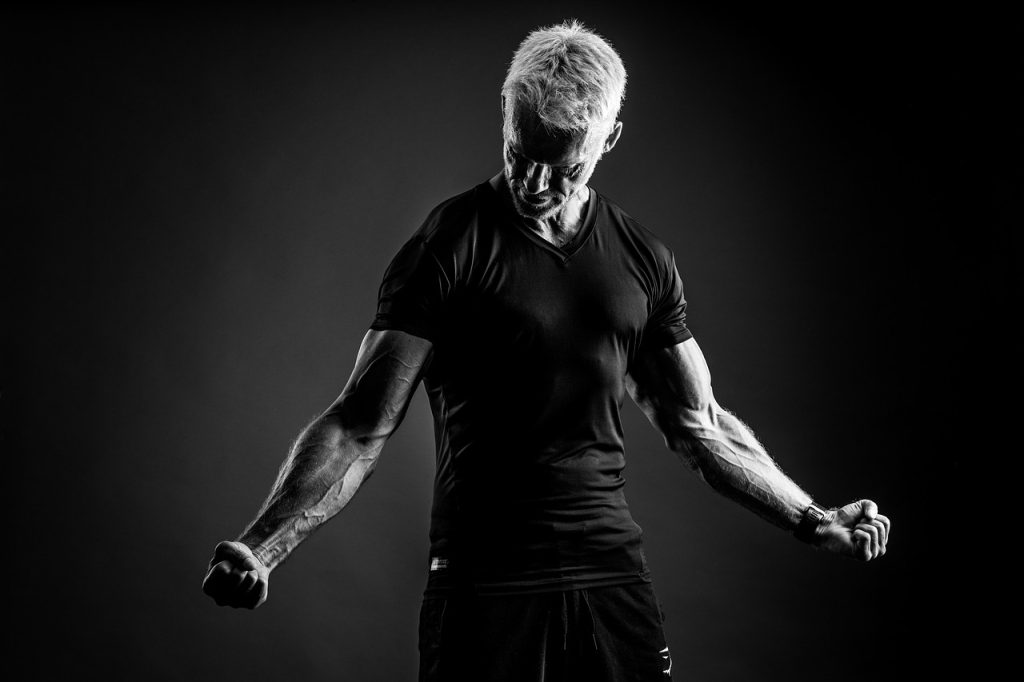
What is a concise description of hand grips when instructing strength and conditioning techniques?
Hand grips refer to the various positions and techniques used to hold equipment such as barbells, dumbbells, kettlebells, and other fitness tools during strength training. Mastering these grips is crucial, as they influence the effectiveness of the exercise, prevent injuries, and enhance performance.
Why do people in enterprises need hand grips when instructing strength and conditioning techniques?
In fitness and sports enterprises, understanding and teaching proper hand grips is essential for maximizing exercise efficiency and minimizing the risk of injury. Trainers who can instruct athletes or clients on correct grip techniques contribute to better performance outcomes and increased safety for participants, which is important for client retention and satisfaction.
“Proper hand grips are the foundation of safe and effective strength training, enabling athletes and clients to optimize performance while minimizing injury risks.”
What are the key components or elements of hand grips in strength and conditioning?
Key components include:
- Grip Type: Overhand, underhand, or neutral, depending on the exercise.
- Grip Width: Narrow, regular, or wide to target different muscle groups.
- Hand Orientation: Proper alignment of hands to maintain stability and control.
- Grip Tension: Appropriate pressure applied to secure the grip without unnecessary strain.

Registered Trademark ®
What key terms, with descriptions, relate to hand grips in strength and conditioning?
- Overhand Grip: Also known as a pronated grip, it involves palms facing downwards.
- Underhand Grip: Known as a supinated grip, this involves palms facing upwards.
- Neutral Grip: Palms face towards each other, often used with dumbbells or a multi-grip bar.
- Hook Grip: Used mainly in Olympic lifts, it involves wrapping fingers over the thumb for a more secure hold.
- Mixed Grip: One hand in an overhand position, and the other in an underhand position, commonly used in deadlifts.
- Grip Strength: Refers to the force applied by the hand to hold onto objects, critical for performance in various exercises.
Who is typically engaged with operating or implementing hand grips in strength and conditioning?
Sports coaches, personal trainers, physical therapists, and strength and conditioning specialists are typically responsible for teaching and implementing proper hand grip techniques. They ensure that athletes and clients understand and apply these grips correctly to improve their performance and safety.
How do hand grips align or integrate with other components of strength and conditioning techniques for Sport Coaching and fitness?
Proper hand grips are foundational to the correct execution of many strength and conditioning exercises. They integrate seamlessly with other training components like posture, breathing, and movement patterns. An effective grip can enhance muscle activation and contribute to overall exercise effectiveness, making them integral to comprehensive strength and conditioning programs.

Where can the student go to find out more information about hand grips in strength and conditioning?
Scope of Practice Document
Adult Pre-Exercise Screening System
Australian Sports Commission
What job roles would be knowledgeable about hand grips in strength and conditioning?
Roles include:
- Fitness Instructors
- Strength and Conditioning Coaches
- Sports Scientists
- Physical Rehabilitation Consultants
- Exercise Physiologists

What are hand grips like in relation to sports, family, or schools?
- Sports: Critical for weightlifting, rowing, and climbing, directly affecting outcomes.
- Family: Teaching children basic grip techniques can promote physical activity and injury prevention.
- Schools: Physical education programs can introduce safe grip techniques to build strength and safety awareness.
Proper education in grip techniques fosters safe and productive physical activity across various age groups and skill levels.
(The first edition of this article was generated by AI to provide valuable insights on hand grips in strength and conditioning. It will be reviewed and refined by experts for clarity and accuracy.)
- About the Author
- More info

Jonny “B Bad” is a powerlifting specialist, strength and conditioning coach, and co-owner of Fortitude Barbell in Brisbane. With over 15 years in the industry, he has trained athletes of all levels, focusing on strength, community, and continual learning. A competitor in some of Australia’s top powerlifting events, he balances training, coaching, and family life while co-hosting The Platform Podcast. His philosophy is simple: train hard, have fun, and enjoy the process. Whether lifting big, improving fitness, or gaining confidence, Jonny’s passion is helping people get stronger—both physically and mentally—while fostering a supportive and engaging training environment.

 Post Tagged with