
Mastering Stable Positioning in Strength and Conditioning Techniques
Posted by Jonny BBAD Nelson in Dec, 2024
What is a concise description of stable positioning in strength and conditioning?
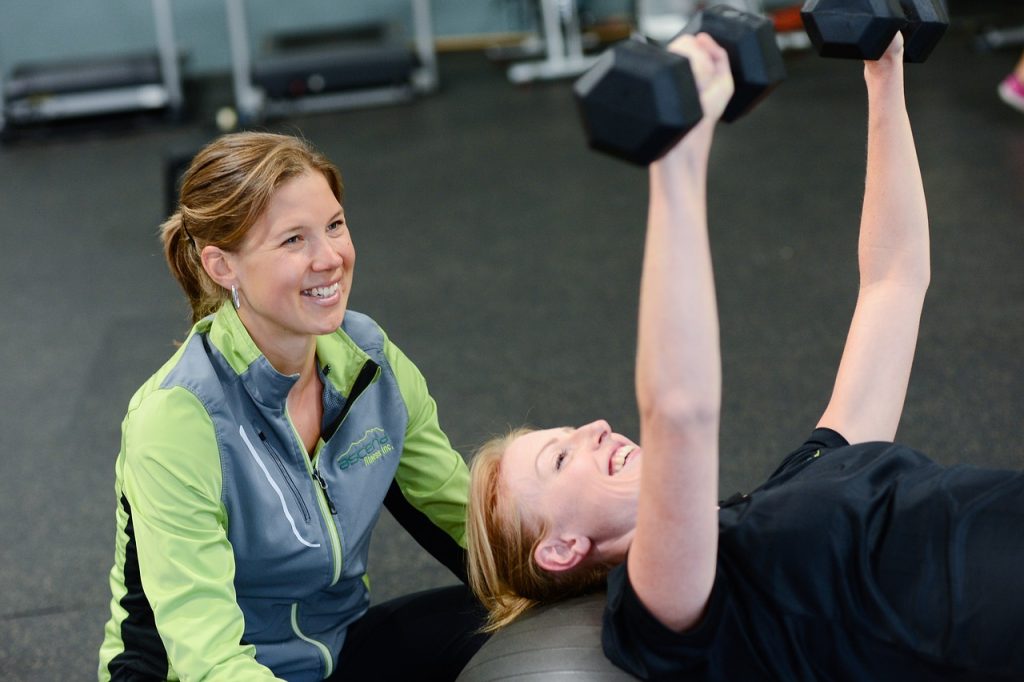
Stable positioning refers to the foundational body posture and stance used to ensure correct form, balance, and safety when performing strength and conditioning exercises. Proper stable positioning is crucial because it maximizes performance outcomes while minimizing the risk of injury.
Why do people in enterprises need stable positioning in strength and conditioning?
For enterprises such as gyms, fitness centers, sports teams, and rehabilitation facilities, maintaining stable positioning during exercises is essential to enhance the effectiveness of training programs. It guarantees clients and athletes safety, thus reducing liability risks. Moreover, it ensures that participants achieve optimal functional performance, aiding in goal achievement and overall satisfaction with the services provided.
“Stable positioning is the cornerstone of effective strength training, ensuring safety, optimizing movement efficiency, and enabling athletes to perform exercises with maximum power and control.”
What are the key components or elements of stable positioning in strength and conditioning?
The key components of stable positioning include:
– Alignment: Keeping the body in proper alignment to maintain the natural curves of the spine.
– Balance: Distributing body weight evenly to prevent falls and enhance exercise performance.
– Core Engagement: Activating the core muscles to provide stability and support to the entire body.
– Foot Placement: Positioning feet correctly to provide a solid foundation for movements.
– Joint Positioning: Maintaining safe angles at joints to prevent strain and injury.

Registered Trademark®
What key terms, with descriptions, relate to stable positioning in strength and conditioning?
– Biomechanics: The study of movement mechanics, crucial for understanding correct stable positions.
– Center of Gravity: The point at which body weight is balanced; critical for stability.
– Proprioception: The body’s ability to sense its position and movement in space, aiding in stability.
– Neutral Spine: Maintaining the natural spinal curve, essential for a stable and safe position.
Who is typically engaged with operating or implementing stable positioning in strength and conditioning?
Strength and conditioning coaches, fitness instructors, personal trainers, physical therapists, and athletic trainers are typically responsible for educating and ensuring that individuals adopt stable positioning during exercise. They assess and correct posture to optimize performance and safety.
How does stable positioning align or integrate with other components of strength and conditioning techniques for Sport Coaching and fitness?
Stable positioning is foundational to all strength and conditioning techniques. It enhances efficiency in movement, allowing for better execution of techniques such as lifting, sprinting, and jumping. It integrates with elements like periodization, progressive overload, and recovery strategies by optimizing how these are safely and effectively implemented during training sessions.

Where can students go to find out more information about stable positioning in strength and conditioning?
Students can explore resources such as:
– Textbooks: Books on exercise science and strength training fundamentals.
– Online Platforms: Courses from platforms like Coursera or Khan Academy.
– Professional Journals: Journals such as the Journal of Strength and Conditioning Research.
– Certifications: Offered by the National Strength and Conditioning Association (NSCA).
– Workshops and Seminars: Practical training sessions by industry experts.
Scope of Practice Document
Adult Pre-Exercise Screening System
Australian Sports Commission
What job roles would be knowledgeable about stable positioning in strength and conditioning?
Job roles include:
– Strength and Conditioning Coach
– Fitness Instructor
– Personal Trainer
– Physical Therapist
– Sports Scientist
– Athletic Trainer

What is stable positioning like in relation to sports, family, or schools?
In sports, stable positioning is crucial for optimizing athletic performance and preventing injuries. In family settings, teaching proper postural habits can foster a culture of health and fitness. Schools can integrate stable positioning into physical education curricula to educate children on safe exercise practices from a young age, promoting lifelong fitness habits.
(The first edition of this post was generated by AI to provide affordable education and insights to a learner-hungry world. The author will edit, endorse, and update it with additional rich learning content.)
- About the Author
- More info

Jonny “B Bad” is a powerlifting specialist, strength and conditioning coach, and co-owner of Fortitude Barbell in Brisbane. With over 15 years in the industry, he has trained athletes of all levels, focusing on strength, community, and continual learning. A competitor in some of Australia’s top powerlifting events, he balances training, coaching, and family life while co-hosting The Platform Podcast. His philosophy is simple: train hard, have fun, and enjoy the process. Whether lifting big, improving fitness, or gaining confidence, Jonny’s passion is helping people get stronger—both physically and mentally—while fostering a supportive and engaging training environment.

 Post Tagged with