
Own Responsibility in Receiving, Storing, and Maintaining Stock
Posted by SkillMaker in Jan, 2025
What is a concise description of own responsibility in receiving, storing, and maintaining stock?
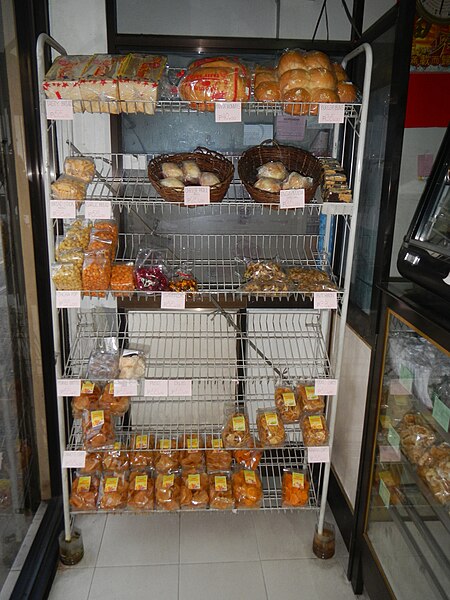
Taking ownership in receiving, storing, and maintaining stock involves understanding, executing, and managing your duties within the supply chain process in hospitality and catering. It entails ensuring accurate receipt of goods, appropriate storage conditions, regular stock checks, and maintaining records to support inventory management, quality assurance, and operational efficiency.
Why do people in enterprises need to take own responsibility when receiving, storing, and maintaining stock?
In enterprises, assuming responsibility for stock handling is crucial to minimize discrepancies, avoid spoilage or damage, and ensure the smooth operation of services. Appropriate management of stock is fundamental for cost control, reducing waste, enhancing customer satisfaction, and achieving profitability. Employees who take responsibility for these tasks contribute to the reliability and reputation of the business.
“Assuming personal responsibility in inventory tasks ensures accuracy, reduces waste, and fosters an efficient and dependable service environment.”
What are the key components or elements of own responsibility in receiving, storing, and maintaining stock?
Key components of owning responsibility in stock management include:
- Accuracy: Verifying quantities and quality during receiving.
- Proper Storage: Ensuring correct storage conditions to maintain product quality.
- Regular Audits: Conducting frequent stock checks to prevent discrepancies.
- Documentation: Maintaining detailed records for accountability and future reference.
- Compliance: Adhering to health and safety standards.
What key terms, with descriptions, relate to own responsibility in receiving, storing, and maintaining stock?
- Inventory Management: Strategic approach to handling stock efficiently.
- Stock Rotation: Process to ensure older stock is used first to avoid spoilage.
- FIFO (First In, First Out): Methodology to manage inventory consumption.
- Quality Assurance: Process of maintaining the desired level of quality in stock.
- Compliance Audit: Review to ensure adherence to regulations.
Who is typically engaged with operating or implementing own responsibility in receiving, storing, and maintaining stock?
Roles such as store managers, inventory clerks, kitchen staff, and warehouse personnel are integral in managing stock. These individuals ensure that the processes of receiving, storing, and maintaining stock adhere to enterprise standards and guidelines.
How does own responsibility in receiving, storing, and maintaining stock align or integrate with other components of Hospitality and Catering?
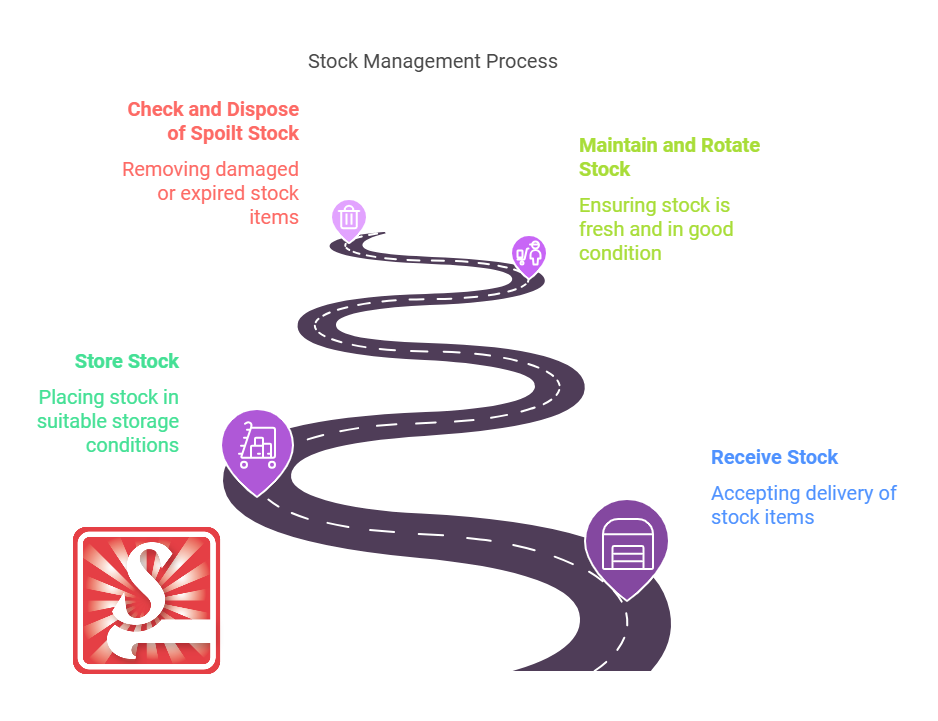
Responsibility in stock management aligns with the broader goal of maintaining high service standards. Effective inventory management supports menu consistency, cost control, waste reduction, and timely service delivery, all essential aspects of a well-run hospitality or catering service.
Where can the student go to find out more information about own responsibility in receiving, storing, and maintaining stock?
What job roles would be knowledgeable about own responsibility in receiving, storing, and maintaining stock?
Roles include:
- Inventory Managers
- Store Keepers
- Kitchen Managers
- Procurement Officers
- Warehouse Staff
What is own responsibility in receiving, storing, and maintaining stock like in relation to sports, family, or schools?

In sports, personal responsibility in stock management resembles an athlete ensuring their equipment is in top condition for performance. Within a family, it’s akin to maintaining grocery stocks efficiently to avoid wastage and ensure meals are prepared on time. In schools, it mirrors maintaining supplies for smooth administrative and teaching operations.
(The first edition of this post was generated by AI to provide affordable education and insights to a learner-hungry world. The author will edit, endorse, and update it with additional rich learning content.)
- About the Author
- More info

Workskill training for all

 Post Tagged with