
Managing Delivered Stock Items in Hospitality and Catering
Posted by SkillMaker in Jan, 2025
What is a concise description of managing delivered stock items in hospitality and catering?
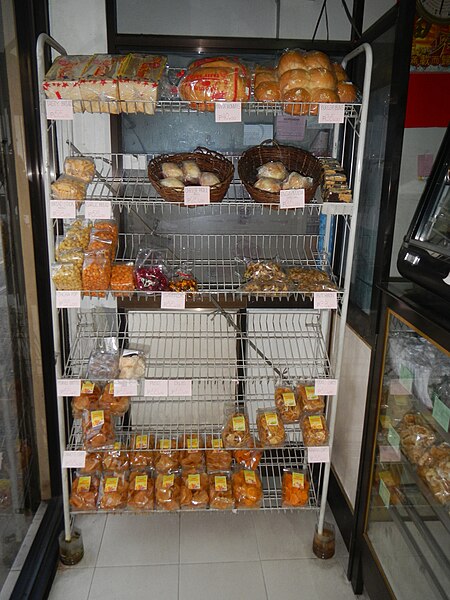
Managing delivered stock items in hospitality and catering involves ensuring that all inventory is accurately received, properly stored, and carefully maintained to meet the operational needs of the venue. This process is critical to ensuring quality control, reducing waste, and optimally using resources.
Why do people in enterprises need to manage delivered stock items?
Managing delivered stock items is essential for enterprises in hospitality and catering to maintain seamless operations. Proper management ensures food safety, minimizes spoilage, reduces costs, and supports customer satisfaction by ensuring that all menu items are available when needed. It also aids in maintaining compliance with industry regulations and standards.
“Effective management of delivered stock ensures quality, reduces costs, and enhances operational efficiency in hospitality and catering environments.”
What are the key components or elements of managing delivered stock items?
Key components of managing delivered stock items include:
- Receiving Procedures: Checking that delivered goods match orders and are in good condition.
- Storage Practices: Ensuring proper storage conditions according to item requirements, such as temperature control.
- Inventory Control: Keeping accurate records of stock levels and turnover to prevent shortages or overstocking.
- Stock Rotation: Using the First-In, First-Out (FIFO) method to minimize waste and ensure freshness.
- Regular Audits: Conducting frequent checks to ensure records are accurate and stock is properly managed.
What key terms, with descriptions, relate to managing delivered stock items?

Registered Trademark®
- Receiving Log: A record of all goods received, noting any discrepancies in quantity or quality.
- Temperature Control: Maintaining appropriate storage temperatures to ensure food safety and quality.
- Inventory Management System (IMS): Software or tools used to track stock levels, orders, sales, and deliveries.
- Shelf Life: The duration for which items remain fit for consumption or use.
- Stocktake: A physical count of inventory to verify records and identify discrepancies.
Who is typically engaged with operating or implementing delivered stock management?
Roles such as purchasing managers, storepersons, chefs, and kitchen assistants are typically involved in managing delivered stock items. These individuals ensure that all processes from receiving to utilization are executed efficiently and effectively in the hospitality and catering environments.
How does managing delivered stock items align with other hospitality and catering components?
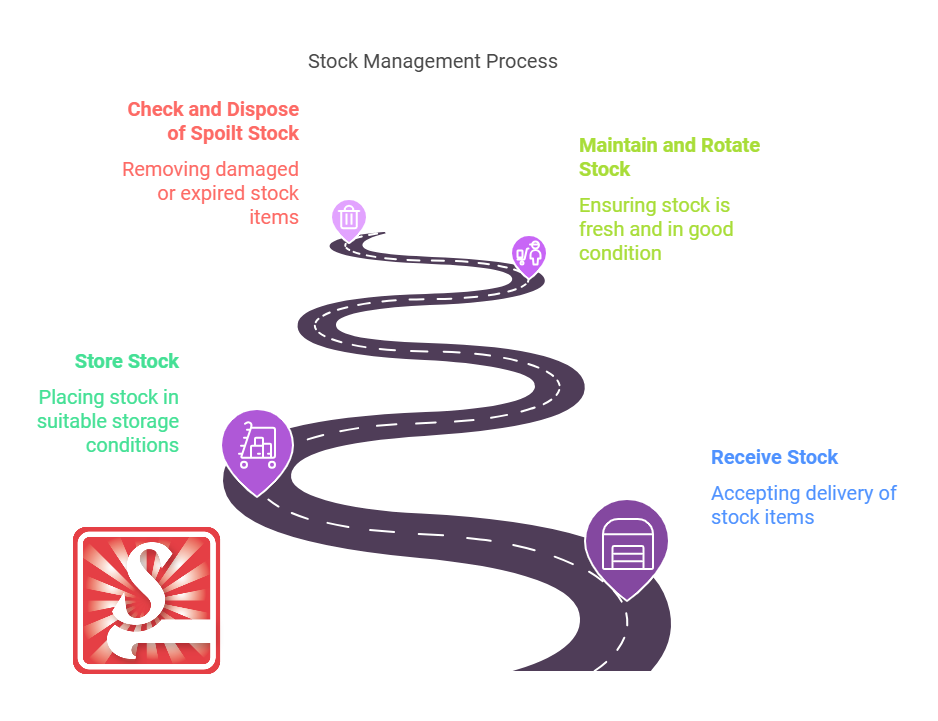
Managing delivered stock items aligns with broader hospitality practices such as menu planning, food preparation, and cost control. By efficiently managing stock, enterprises can ensure that ingredients are available for menu items, reduce waste by minimizing spoilage, and control costs by optimizing stock levels.
Where can students go to find out more information about managing delivered stock items?
What job roles would be knowledgeable about managing delivered stock items?
Roles include:
- Inventory Managers
- Chefs
- Purchasing Coordinators
- Receiving Clerks
- Store Managers
What is managing delivered stock items like in relation to sports, family, or schools?

In sports, managing delivered stock items is like a team maintaining its equipment and resources to ensure peak performance.
In a family setting, it resembles budgeting for household groceries to ensure all meals are covered without waste.
When considering schools, it parallels managing school supplies and ensuring resources are replenished in time for educational programs to continue smoothly.
(The first edition of this post was generated by AI to provide affordable education and insights to a learner-hungry world. The author will edit, endorse, and update it with additional rich learning content.)
- About the Author
- More info

Workskill training for all

 Post Tagged with