
Effective Supervisors in Cleaning Kitchen Premises and Equipment
Posted by SkillMaker in Jan, 2025
What is a concise description of cleaning kitchen premises and equipment?
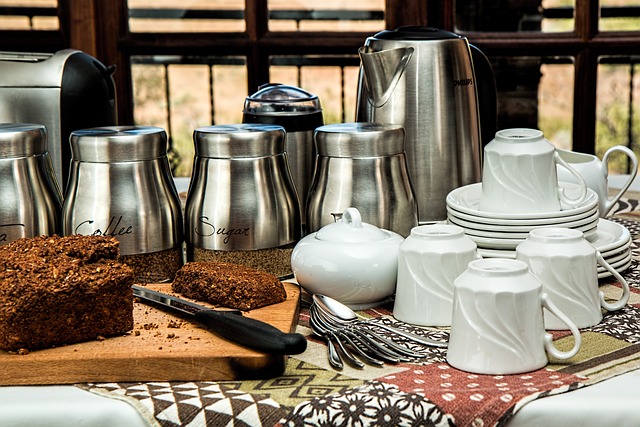
Cleaning kitchen premises and equipment involves maintaining hygiene and safety standards by thoroughly sanitising food preparation areas and utensils. This process includes removing dirt, grime, and potentially harmful bacteria to ensure the kitchen remains a safe environment for food production.
Why do people in enterprises need to clean kitchen premises and equipment?
Proper cleaning of kitchen premises and equipment is crucial to prevent foodborne illnesses and ensure compliance with health regulations. A consistently clean kitchen promotes a healthy and safe working environment, reduces the risk of pest infestations, and enhances the overall dining experience for customers.
“Thorough cleaning aligns with health standards and elevates the safety and quality of culinary operations, ensuring a pristine kitchen environment.”
What are the key components or elements of cleaning kitchen premises and equipment?
Key components include:
- Sanitation Procedures: Detailed steps for effective cleaning and disinfection.
- Use of Cleaning Agents: Appropriate selection and application of detergents and sanitisers.
- Equipment Maintenance: Regular checks and cleaning of kitchen tools and appliances.
- Waste Management: Proper disposal of food waste and cleaning residues.
- Safety Standards: Adhering to safety protocols to protect workers and customers.
What key terms, with descriptions, relate to cleaning kitchen premises and equipment?

Registered Trademark®
- Hygiene: The practice of maintaining a clean environment to prevent illness and contamination.
- Sanitisation: The process of reducing the number of microorganisms to safe levels.
- Cross-Contamination: Transfer of bacteria or other contaminants from one surface or substance to another.
- Personal Protective Equipment (PPE): Protective attire such as gloves and aprons for safety.
- Food Safety Standards: Regulations and guidelines to ensure food is prepared safely.
Who is typically engaged with operating or implementing cleaning kitchen premises and equipment?
Kitchen supervisors, cleaning staff, and chefs are usually responsible for implementing and overseeing the cleaning of kitchen premises and equipment. These roles ensure adherence to cleaning schedules and standards, guaranteeing a sanitary environment suitable for food handling and preparation.
How does cleaning kitchen premises and equipment align or integrate with other components of Hospitality and Catering?
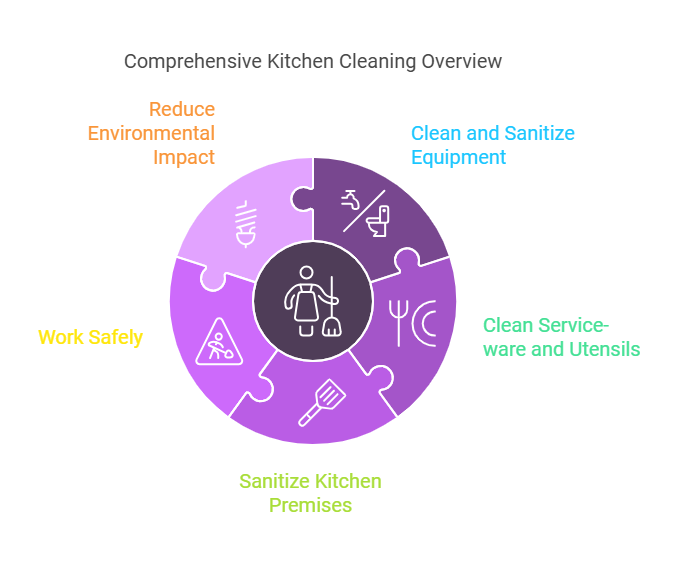
Cleaning is integral in the Hospitality and Catering industry, ensuring food safety and optimizing kitchen operations. It connects closely with food preparation, storage, and presentation, supporting seamless service delivery and enhancing customer experience. Cleanliness underpins every aspect of culinary operations, facilitating compliance and efficiency.
Where can the student go to find out more information about cleaning kitchen premises and equipment?
What job roles would be knowledgeable about cleaning kitchen premises and equipment?
Roles include:
- Kitchen Supervisors
- Chefs
- Restaurant Managers
- Health Inspectors
- Cleaning Staff
What is cleaning kitchen premises and equipment like in relation to sports, family, or schools?

Cleaning kitchen premises and equipment can be likened to a sports team ensuring their equipment is in top condition—necessary for performance and safety. In a family setting, it mirrors maintaining a clean home for the health and wellbeing of all members. In schools, it’s akin to upholding hygiene to create a conducive learning environment, demonstrating the universal importance of cleanliness in all aspects of life.
(The first edition of this post was generated by AI to provide affordable education and insights to a learner-hungry world. The author will edit, endorse, and update it with additional rich learning content.)
- About the Author
- More info

Workskill training for all

 Post Tagged with