
Stock Quality When Receiving, Storing, and Maintaining Stock
Posted by SkillMaker in Jan, 2025
What is a concise description of stock quality when receiving, storing, and maintaining stock?
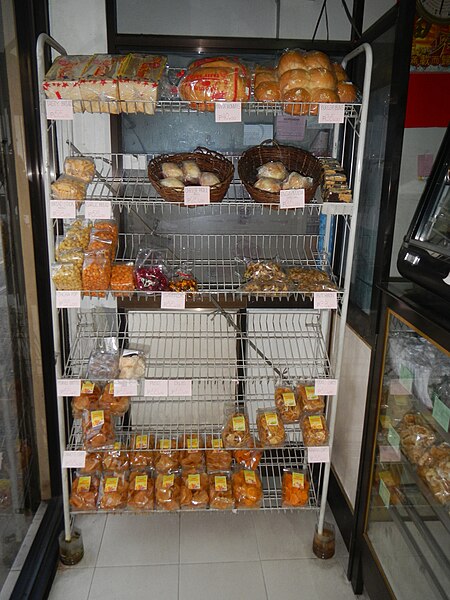
Stock quality involves ensuring that all goods received, stored, and maintained meet the required standards. This encompasses careful examination upon receiving, proper storage conditions, and periodic reviews to prevent spoilage or damage, thereby ensuring products are in optimal condition for use or sale.
Why do people in enterprises need to focus on stock quality when receiving, storing, and maintaining stock?
Maintaining stock quality is crucial for enterprises to ensure that customer satisfaction is met, health standards are upheld, and financial loss from spoilage or waste is minimized. Ensuring stock quality also enhances efficiency in operations and helps build a strong reputation for reliability and trustworthiness with clients and suppliers.
“Focusing on stock quality ensures that businesses deliver what they promise: fresh, safe, and reliable products that meet the highest standards.”
What are the key components or elements of stock quality in receiving, storing, and maintaining stock?
Key components include:
- Inspection and Verification: Checking deliveries against orders and quality standards.
- Proper Storage: Using appropriate storage techniques and conditions to preserve quality.
- Regular Audits: Frequent checking and rotating of stock.
- Training Staff: Ensuring employees know handling and safety protocols.
- Documentation: Keeping detailed records of stock levels, conditions, and usage.
What key terms relate to stock quality in receiving, storing, and maintaining stock?
- Quality Control: Ensuring products meet specified quality standards.
- Stock Rotation: The practice of using older stock first to prevent spoilage.
- FIFO (First In, First Out): Stock management method to use older products first.
- Expiry Date Management: Monitoring and managing products’ shelf life.
- Temperature Control: Maintaining the necessary storage temperature to prevent spoilage.
Who is typically engaged with operating or implementing stock quality management?
Warehouse managers, inventory coordinators, purchasing officers, and quality assurance teams are typically engaged in managing stock quality. These individuals ensure compliance with protocols and quality standards in every step of the stock management process.
How does stock quality management align with other components of Hospitality and Catering?
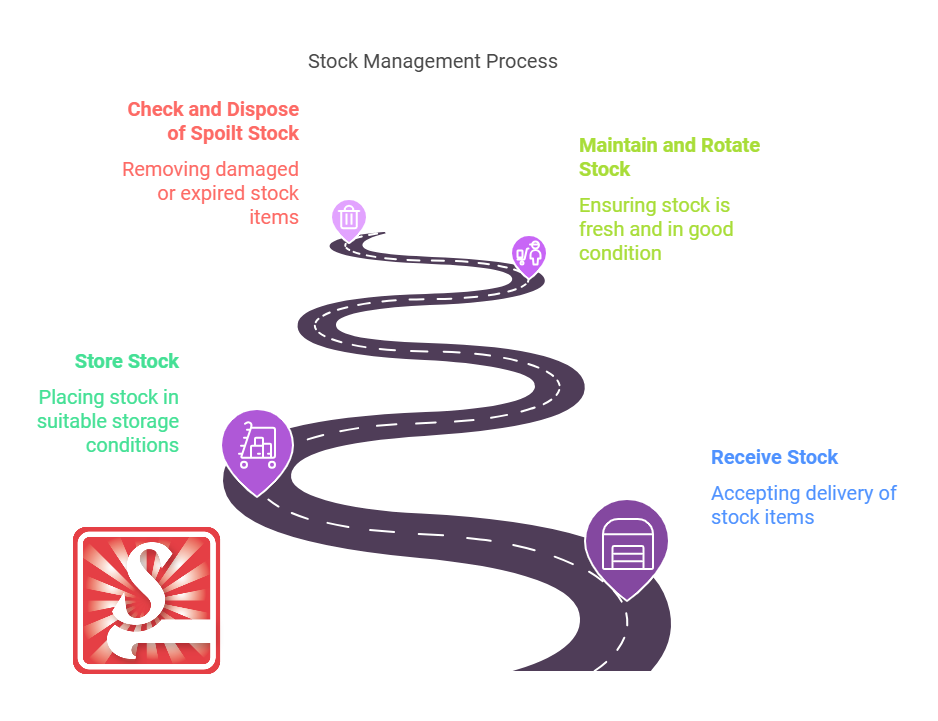
Stock quality management plays a critical role in ensuring food safety, maintaining menu reliability, and optimizing supply chain efficiency in Hospitality and Catering. Quality control integrates with food preparation, storage, and presentation, as well as customer service, ensuring consistency and satisfaction.
Where can the student go to find out more information about stock quality management?
What job roles would be knowledgeable about stock quality management?
Roles include:
- Warehouse Managers
- Purchasing Officers
- Inventory Coordinators
- Quality Assurance Specialists
- Food Service Managers
What is stock quality management like in relation to sports, family, or schools?

Stock quality management in Hospitality is akin to the detailed preparation and strategy involved in sports, where every team member passes the baton smoothly to achieve quality results. It resembles a family planning grocery shopping and meal preparations to avoid waste and ensure everyone is well-fed healthily. In schools, it reflects the organization and care taken in managing resources, ensuring supplies are suitable and available for educational activities.
(The first edition of this post was generated by AI to provide affordable education and insights to a learner-hungry world. The author will edit, endorse, and update it with additional rich learning content.)
- About the Author
- More info

Workskill training for all

 Post Tagged with