
Preventing Data Loss in Computer Systems within the Printing and Graphic Arts Sectors
Posted by SkillMaker in Mar, 2025
What is a concise description of preventing data loss in computer systems within printing and graphic arts?

Preventing data loss in computer systems entails implementing protective measures such as regular backups, secure data storage, and robust network security to safeguard sensitive information and maintain the continuity of operations in the printing and graphic arts sectors.
Listen to this article as a podcast
Why do people in the Printing and Graphics industry need to prevent data loss using computer systems?
Data loss can have devastating effects on businesses in the Printing and Graphics industry, leading to project delays, reputational damage, increased costs, and potential legal issues. Preventing data loss ensures that vital documents, client information, and creative assets remain protected, enabling consistent quality and service delivery. By safeguarding data, companies can maintain client trust and keep their operations running smoothly.
“Preventing data loss is crucial to maintaining efficiency, preserving reputation, and ensuring client satisfaction in the Printing and Graphic Arts sectors.”
What are the key components or elements of preventing data loss in computer systems?
Key components of preventing data loss include:
- Regular Backups: Scheduled duplication of data to protect against data loss.
- Secure Storage: Utilising secure servers and encryption for data protection.
- Access Controls: Implementing authentication and authorisation mechanisms.
- Network Security: Protecting data from cyber threats with firewalls and secure protocols.
- Data Recovery Plans: Strategies for restoring data swiftly in the event of a loss.
What key terms, with descriptions, relate to preventing data loss in computer systems?

Registered Trademark®
- Encryption: Transforming data into a secure format that protects its integrity and confidentiality.
- Firewall: A security system that controls incoming and outgoing network traffic based on rules.
- Data Backup: The process of copying and archiving data to restore it in case of a loss.
- Authentication: Verifying the identity of a user or system.
- Authorisation: Determining access levels or permissions for users, files, and systems after verification.
Who is typically engaged with operating or implementing data loss prevention in computer systems?
IT professionals, systems administrators, data managers, and cybersecurity experts are typically responsible for implementing data loss prevention measures. These roles ensure that data protection practices are integrated into company systems and processes, allowing for the continuity of secure and reliable operations.
How does preventing data loss integrate with other components of the Printing and Graphics industry in Australia?
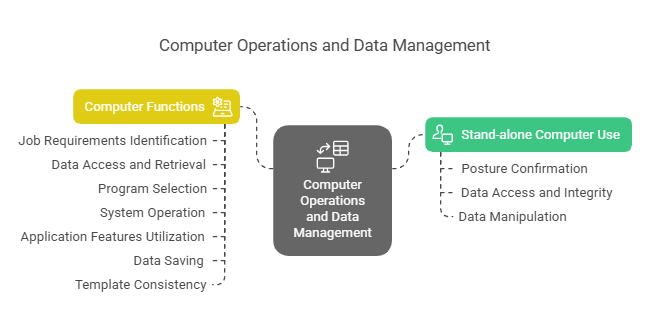
Data loss prevention is inherently linked to other industry components, such as project management and client relations, by ensuring the security and integrity of digital files. It complements existing workflows and security measures to provide seamless interactions between departments and external clients. This integration supports business continuity, productivity, and the safeguarding of intellectual property.
Where can the student go to find out more information about data loss prevention in computer systems?
What job roles would be knowledgeable about data loss prevention in computer systems?
Roles include:
- Systems Administrators
- Cybersecurity Specialists
- IT Managers
- Data Protection Officers
- Technical Support Specialists
What is preventing data loss like in relation to sports, family, or schools?

In relation to sports, preventing data loss is similar to a team ensuring its playbook and strategies remain confidential and secure from competitors. Within a family, it resembles safeguarding personal information and memories through backups. In schools, it parallels the protection of student records and educational files against accidental deletion or data breaches, ensuring the academic process is not disrupted.
(The first edition of this post was generated by AI to provide affordable education and insights to a learner-hungry world. The author will edit, endorse, and update it with additional rich learning content.)
(Skillmaker – 2025)- About the Author
- More info

Workskill training for all

 Post Tagged with