
Organizational WHS Procedures in Assisting with Maintaining Workplace Safety
Posted by SkillMaker in Dec, 2024
What is a concise description of organizational WHS procedures when assisting with maintaining workplace safety?

Organizational Work Health and Safety (WHS) procedures encompass the systematic processes and guidelines developed within a workplace to prevent accidents and promote a safe working environment. These procedures are crucial in helping employees assist with maintaining workplace safety through effective risk management practices and compliance with legal regulations.
Why do people in enterprises need organizational WHS procedures to assist in maintaining workplace safety?
People in enterprises need organizational WHS procedures as these protocols ensure the safety and well-being of all personnel, reduce incidents of injury or illness, and enhance productivity. Proper WHS procedures help organisations comply with legal obligations, avoid costly penalties, and cultivate a culture of safety and awareness among staff.
“WHS procedures fortify the foundation of a safe working environment, safeguarding health and fostering efficiency across the workforce.”
What are the key components or elements of organizational WHS procedures?
Key components of organizational WHS procedures include:
- Risk Assessment: Identifying and evaluating potential hazards.
- Control Measures: Implementing strategies to mitigate risks.
- Emergency Preparedness: Developing plans for emergency situations.
- Training and Communication: Educating staff on WHS practices and protocols.
- Monitoring and Review: Regularly evaluating WHS systems for effectiveness and compliance.
What key terms, with descriptions, relate to organizational WHS procedures?

Registered Trademark®
- Hazard Identification: The process of recognizing dangers that could cause harm.
- Incident Reporting: Documentation and investigation of work-related injuries or near misses.
- Personal Protective Equipment (PPE): Equipment worn to minimize exposure to hazards.
- Safety Audits: Systematic evaluations to ensure compliance with WHS standards.
- Workplace Ergonomics: Designing work environments to fit the physical needs of employees.
Who is typically engaged with operating or implementing organizational WHS procedures?
WHS procedures typically involve collaboration between WHS officers, safety coordinators, management, supervisors, and all employees. These stakeholders work together to develop, implement, and monitor safety protocols to ensure a cohesive approach to workplace safety.
How do organizational WHS procedures align or integrate with other components of Workplace Safety?
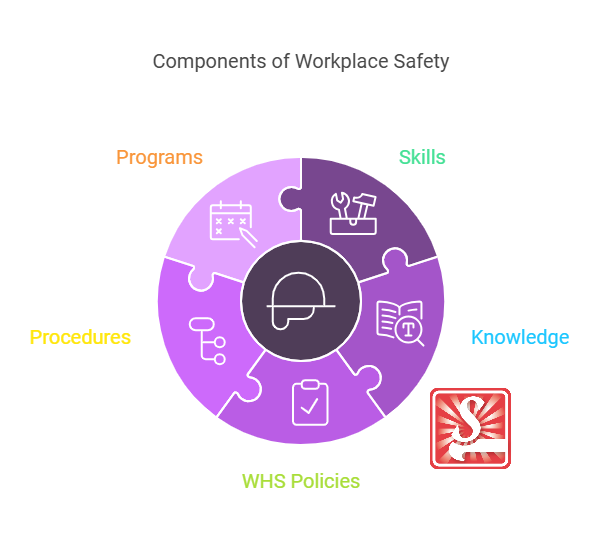
Organizational WHS procedures align with other Workplace Safety components by creating a framework that integrates risk management, compliance, and safety culture. Effective WHS procedures support other safety measures like Safe Work Method Statements (SWMS), standard operating procedures, and health initiatives, fostering an all-encompassing safety system.
Where can the student go to find out more information about organizational WHS procedures?
- Safe Work Australia – Policy and Legislation Resources
- WorkSafe Victoria – Safety Guidelines and Procedures
- Comcare – Workplace Health and Safety Information
What job roles would be knowledgeable about organizational WHS procedures?
Roles include:
- WHS Officers
- Safety Coordinators
- Risk Managers
- Human Resources Managers
- Supervisors
What are organizational WHS procedures like in relation to sports, family, or schools?

In relation to sports, organizational WHS procedures are like a game plan that outlines strategies to avoid injury and improve performance. Within a family, WHS procedures resemble household rules that ensure safety for all members. In schools, they are akin to school safety protocols that protect students and staff, fostering a secure and productive learning environment.
(The first edition of this post was generated by AI to provide affordable education and insights to a learner-hungry world. The author will edit, endorse, and update it with additional rich learning content.)
- About the Author
- More info

Workskill training for all

 Post Tagged with