
Enhancing Customer Satisfaction through Purchase Follow-Up Activities in Point-of-Sale Procedures
Posted by SkillMaker in Mar, 2025
What is a concise description of purchase follow-up activities in point-of-sale procedures?
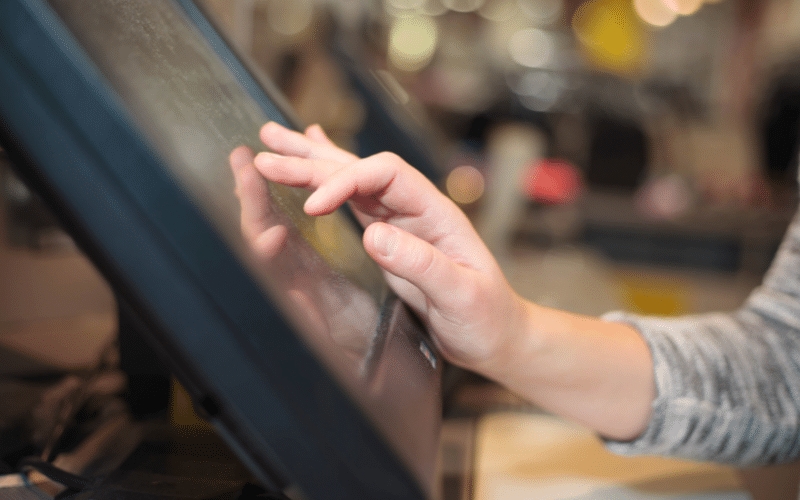
Purchase follow-up activities in point-of-sale (POS) procedures involve actions taken by retailers post-purchase to enhance customer satisfaction and encourage repeat business. These activities include checking whether customers are satisfied with their purchase, offering assistance, and providing opportunities for future engagement.
Listen to this article as a podcast
Why do people in the Retail industry need purchase follow-up activities in point-of-sale procedures?
In the retail industry, conducting purchase follow-up activities is crucial for building a loyal customer base and increasing customer retention. Such activities demonstrate a commitment to customer service, help identify any product issues early, and open the door for upselling or cross-selling opportunities. This proactive approach can significantly enhance the customer experience, encouraging repeat visits and positive reviews.
“Great customer service doesn’t end at the point of sale; it gains momentum in the follow-up, transforming a transaction into a relationship.”
What are the key components or elements of purchase follow-up activities in point-of-sale procedures?
Key components of purchase follow-up activities include:
- Contacting Customers: Reaching out post-purchase through emails or calls to express gratitude and confirm satisfaction.
- Feedback Collection: Encouraging customers to share their opinions on their purchase experience.
- Handling Complaints: Addressing any issues raised by customers promptly and professionally.
- Marketing Follow-Up: Sharing promotions or upcoming events to encourage future purchases.
- Loyalty Programs: Offering rewards or incentives for repeat business.
What key terms, with descriptions, relate to purchase follow-up activities in point-of-sale procedures?

Registered Trademark®
- Customer Relationship Management (CRM): Systems and strategies used to manage interactions with current and potential customers.
- Upselling: A sales technique where the seller encourages the customer to purchase more expensive items or upgrades.
- Cross-Selling: A marketing strategy that entails selling additional products or services to an existing customer.
- Post-Purchase Communication: Following up with customers after a sale to ensure satisfaction and provide additional information.
- Loyalty Incentives: Rewards given to repeat customers to foster brand loyalty.
Who is typically engaged with operating or implementing purchase follow-up activities in point-of-sale procedures?
Store managers, sales associates, customer service representatives, and marketing teams are typically involved in conducting purchase follow-up activities. These roles ensure that follow-up procedures are executed properly to enhance customer satisfaction and retain loyal customers.
How do purchase follow-up activities in point-of-sale procedures align or integrate with other components of the Retail industry in Australia?

Purchase follow-up activities complement various retail elements like CRM systems, sales strategies, and customer service initiatives. Seamless integration with these components ensures that follow-ups are not just routine tasks but integral parts of a cohesive customer experience strategy that prioritizes lasting relationships and brand loyalty.
Where can the student go to find out more information about purchase follow-up activities in point-of-sale procedures?
What job roles would be knowledgeable about purchase follow-up activities in point-of-sale procedures?
Roles include:
- Store Managers
- Sales Associates
- Customer Service Representatives
- Marketing Personnel
- CRM Specialists
What are purchase follow-up activities in point-of-sale procedures like in relation to sports, family, or schools?

In sports, purchase follow-up activities can be compared to a coach debriefing a team after a match, addressing what went well and what can be improved for future games. In a family, it is similar to parents checking in with their children after an outing to ensure that everyone had a good time. In schools, it’s akin to teachers reviewing students’ assignments to provide feedback and facilitate improvement in learning outcomes.
(The first edition of this post was generated by AI to provide affordable education and insights to a learner-hungry world. The author will edit, endorse, and update it with additional rich learning content.)
(Skillmaker – 2025)- About the Author
- More info

Workskill training for all

 Post Tagged with