
Emergency Situations: The Crucial Role in Sport and Recreation
Posted by SkillMaker in Dec, 2024
What is a concise description of emergency situations in sport and recreation?
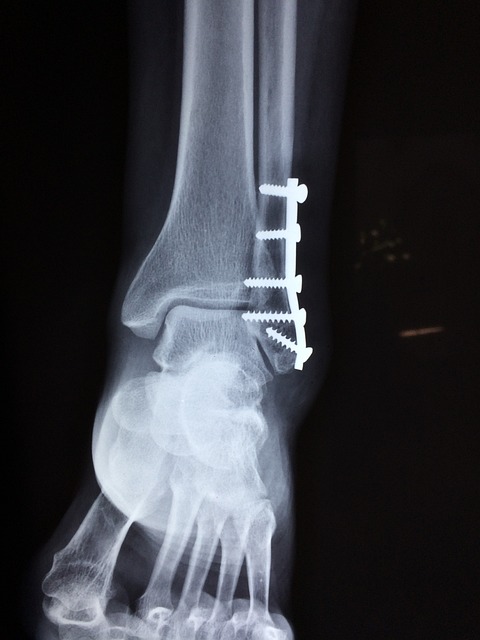
Emergency situations in the sport and recreation context can vary widely, from injuries on the field to natural disasters affecting game environments. The ability to respond swiftly and effectively is crucial to ensuring the safety of all involved, preventing further harm, and stabilizing the situation until professional help arrives. This involves preparation, a clear understanding of protocols, and adept execution under pressure.
Why do people in enterprises need to respond to emergency situations in sport and recreation?
Enterprises in the sport and recreation sector must be prepared for emergency situations to safeguard participants, staff, and spectators. Quick and adept responses not only prevent exacerbation of the situation but also reflect the organisation’s commitment to safety and responsibility. This readiness enhances trust and credibility, reduces liability risks, and ensures continuity in operations.
“In emergencies, swift and structured responses are vital. They uphold safety, prevent panic, and demonstrate an organisation’s commitment to well-being and duty of care.”
What are the key components or elements of responding to emergency situations in sport and recreation?
Key components of responding to emergency situations include:
- Emergency Action Plan (EAP): A structured guide dictating protocols and procedures during emergencies
- Risk Assessment: Identifying potential hazards and planning contingencies
- Communication Systems: Effective channels to alert and guide involved parties
- Training and Drills: Regular exercises to ensure preparedness and confidence of responders
- First Aid and Medical Response: On-the-spot medical assistance to manage health emergencies
What key terms, with descriptions, relate to emergency situations in sport and recreation?

Registered Trademark®
- Emergency Action Plan (EAP): A written, comprehensive procedure for responding to emergencies.
- CPR (Cardiopulmonary Resuscitation): A lifesaving technique used in emergencies involving cardiac arrest.
- AED (Automated External Defibrillator): A portable device that diagnoses life-threatening cardiac arrhythmias and treats them through defibrillation.
- Incident Command System (ICS): A standardized approach to the command, control, and coordination of emergency response.
- Evacuation Procedures: Plans and actions taken to safely remove people from danger zones.
Who is typically engaged with operating or implementing responses to emergency situations?
Coaches, event organisers, facility managers, and trained staff are usually tasked with implementing responses to emergency situations. They ensure all protocols are followed, coordinate with emergency services, and manage resources efficiently to handle various scenarios.
How does this topic align or integrate with other components of Sport and Recreation?
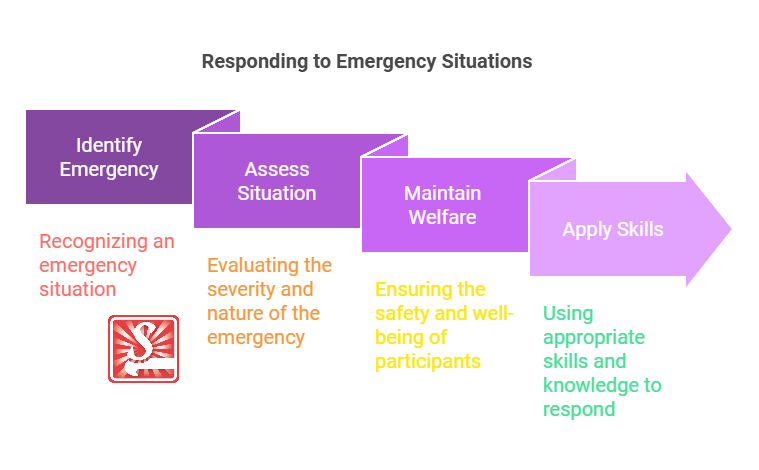
Responding to emergency situations integrates with sport and recreation by prioritizing safety and risk management. It complements event planning, health and safety protocols, and staff training. Effective emergency response systems enhance the environment’s overall security, encouraging greater participation and enjoyment in leisure activities.
Where can the student go to find out more information about responding to emergency situations?
- Sport Australia – Professional Guidance and Resources
- Workplace Health and Safety Queensland
- Australian Red Cross – First Aid Training and Resources
What job roles would be knowledgeable about responding to emergency situations in sport and recreation?
Roles include:
- Event Managers
- Facility Coordinators
- Health and Safety Officers
- Coaches and Trainers
- Recreation Staff
What is it like responding to emergency situations in relation to sports, family, or schools?

In sports, responding to emergency situations is akin to a team seamlessly executing a drill under pressure to protect its members. In a family context, it’s like parents having a household safety plan to safeguard loved ones. In schools, it reflects the practice of lockdown drills and active supervision to ensure the safety and well-being of students and staff alike.
(The first edition of this post was generated by AI to provide affordable education and insights to a learner-hungry world. The author will edit, endorse, and update it with additional rich learning content.)
- About the Author
- More info

Workskill training for all

 Post Tagged with