
Incident Developments When Responding to Emergency Situations in Sport and Recreation
Posted by SkillMaker in Dec, 2024
What is a concise description of incident developments when responding to emergency situations?
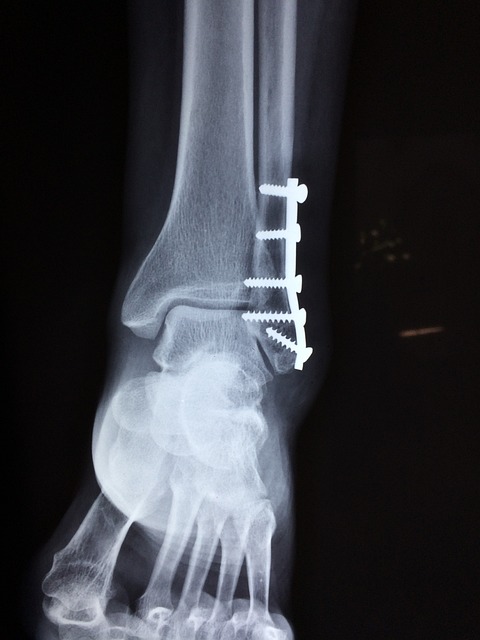
Incident developments in responding to emergency situations refer to the dynamic process of managing and adapting procedures as an emergency unfolds. This is crucial in ensuring the safety and well-being of individuals in sport and recreation settings, requiring swift, coordinated actions of trained personnel and effective communication.
Why do people in enterprises need incident developments when responding to emergency situations?
Enterprises need incident developments when responding to emergency situations to effectively manage hazards and injuries that can occur in sports and recreation environments. Properly developed incident response strategies help minimise risks, influence outcomes positively, and potentially save lives by ensuring that everyone knows their role and how to execute it swiftly and safely.
“Incident developments in emergency responses ensure preparedness and expedite actions, transforming chaos into an orchestrated rescue.”
What are the key components or elements of incident developments when responding to emergency situations?
Key components of incident developments in emergency responses include:
- Initial Assessment: Quickly evaluating the scene to identify hazards and necessary response actions.
- Communication: Establishing clear and effective channels to relay information to all involved parties.
- Resource Allocation: Deploying the right personnel and equipment to assist in the response.
- Continuous Monitoring: Keeping an eye on the situation to adapt to any changes or escalations.
- Debrief and Review: Conducting an assessment after the incident to identify improvements for future responses.
What key terms, with descriptions, relate to incident developments in emergency situations?

Registered Trademark®
- Incident Command System (ICS): A standardized approach to the command, control, and coordination of emergency response.
- Risk Assessment: The process of identifying and evaluating potential risks and hazards.
- Mitigation Strategies: Plans and actions aimed at reducing the severity of emergency situations.
- First Responder: The initial personnel (e.g., paramedics, firefighters) who arrive and provide assistance at an emergency scene.
- Evacuation Procedures: Established protocols for safely evacuating individuals from a dangerous area.
Who is typically engaged with operating or implementing incident developments in emergency situations?
Roles typically involved in operating or implementing incident developments in emergency situations include first responders, emergency coordinators, security personnel, and facility managers. Each of these roles plays a vital part in ensuring a coordinated response to emergencies in sport and recreation settings.
How do incident developments in emergency response align or integrate with other components of Sport and Recreation?
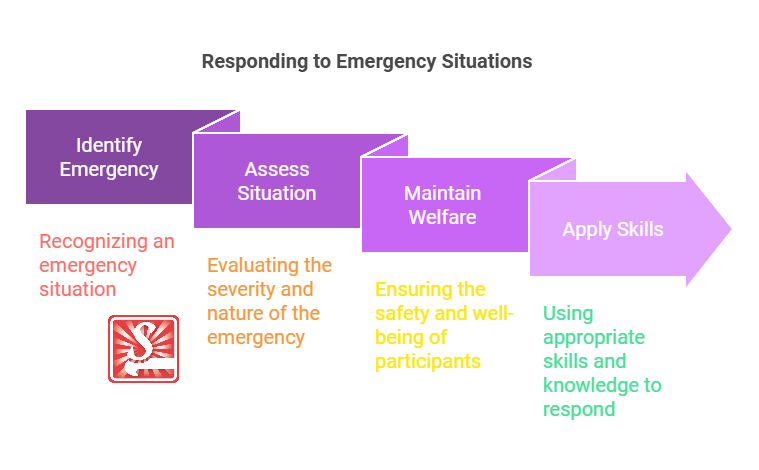
Incident developments in emergency response seamlessly integrate with risk management, health and safety protocols, and facility management within Sport and Recreation. Effective incident management enhances the capability to address unforeseen events while maintaining participant safety and organizational reputation.
Where can the student go to find out more information about incident developments in emergency situations?
What job roles would be knowledgeable about incident developments in emergency situations?
Roles include:
- Event Coordinators
- Safety Officers
- Facility Managers
- First Responders
- Emergency Response Team Leaders
What is incident development in emergency situations like in relation to sports, family, or schools?

In sports, incident developments in emergency situations resemble a well-rehearsed play, in which every team member knows their role and executes it promptly. In a family setting, it mirrors ensuring every family member understands safety plans for when unexpected events arise. In schools, it equates to emergency drills that prepare students and staff to respond effectively and safely in case of real emergencies.
(The first edition of this post was generated by AI to provide affordable education and insights to a learner-hungry world. The author will edit, endorse, and update it with additional rich learning content.)
- About the Author
- More info

Workskill training for all

 Post Tagged with